The dark side of beauty: an in-depth analysis of the health hazards and toxicological impact of synthetic cosmetics and personal care products

The Dark Side of Beauty: An In-Depth Analysis of the Health Hazards and Toxicological Impact of Synthetic Cosmetics and Personal Care Products
Introduction
Over the past few decades, the beauty and personal care industry has grown rapidly, fueled by social media trends and increasingly high beauty standards. Today, millions of people rely on cosmetics and skincare products daily to enhance their appearance and boost confidence.
However, beneath the promise of flawless skin and glossy hair lies a growing concern: the potential health risks of synthetic cosmetics. Scientific research suggests that prolonged exposure to certain chemical ingredients may negatively affect human health, raising important questions about safety, regulation, and consumer awareness.
This article explores the hidden dangers of synthetic beauty products, their toxicological impact, and what you can do to make safer choices.
The Rise of Cosmetic Use in Modern Society
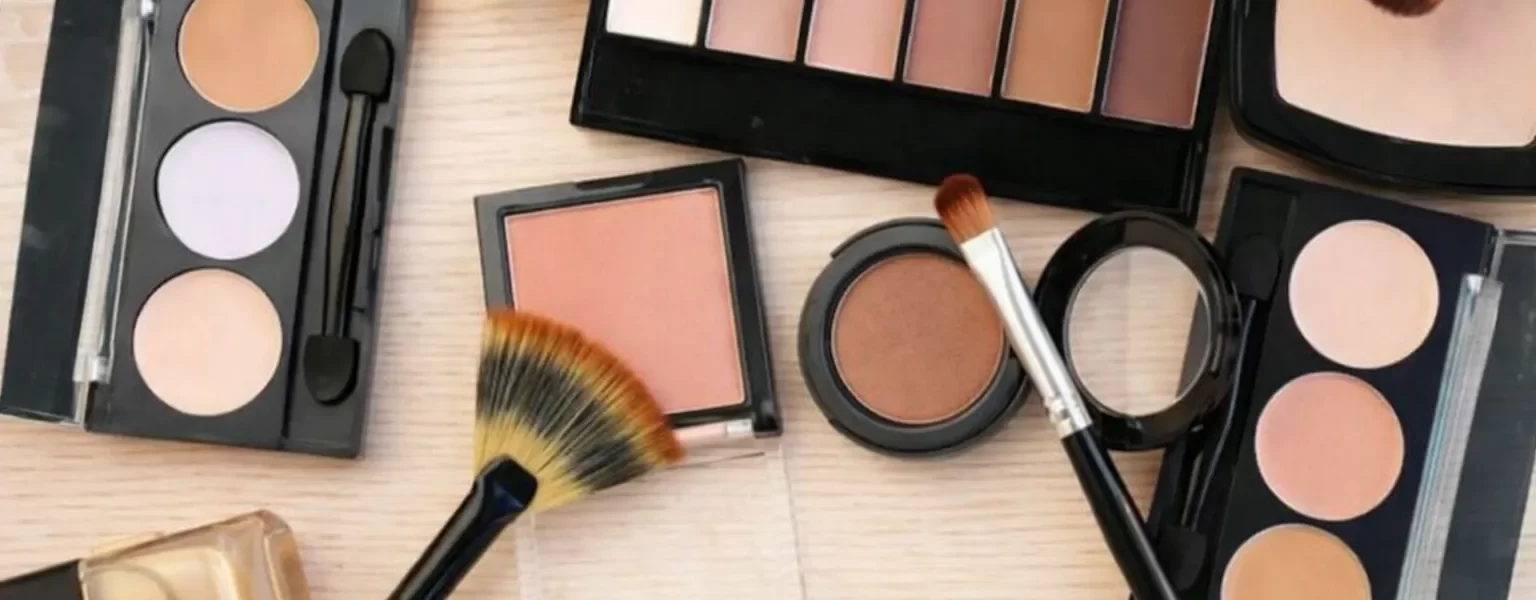
Personal care products have become an essential part of everyday life. From skincare and makeup to fragrances and hair treatments, the global beauty market continues to expand rapidly.
While these products are designed to improve appearance and self-esteem, studies show that a large percentage of consumers are increasingly concerned about the potential risks associated with chemical-based formulations.
The term “toxic beauty” has emerged to describe the harmful effects that some cosmetic ingredients may have when absorbed through the skin, inhaled, or accidentally ingested.
Harmful Chemicals Commonly Found in Cosmetics
Many synthetic beauty products contain a mixture of chemicals that may pose health risks. Some of the most concerning include:
1. Parabens and Phthalates
These are commonly used preservatives and fragrance stabilizers.
- Parabens may disrupt hormone function (endocrine disruption)
- Phthalates can interfere with reproductive health and development
Both have been linked to long-term health issues, including hormonal imbalance and potential fertility problems.
2. Heavy Metals
Toxic metals such as:
- Lead
- Mercury
- Arsenic
- Cadmium
can be found in products like lipsticks, eyeliners, and skin-lightening creams.
Even at low levels, these metals can accumulate in the body, potentially causing:
- Neurological damage
- Organ toxicity
- DNA damage
- Increased cancer risk
3. Formaldehyde and Preservatives
Certain cosmetics contain formaldehyde or formaldehyde-releasing agents.
- Classified as a known carcinogen
- Linked to respiratory issues and cancers
Other preservatives like BHA and BHT may also cause skin irritation and long-term toxicity.
4. 1,4-Dioxane
This is a byproduct formed during the manufacturing process of some cosmetic ingredients.
- Found in shampoos and body washes
- Considered a potential human carcinogen
- Not always listed on product labels
5. Oxybenzone (Benzophenone-3)
Commonly used in sunscreens and lotions:
- May disrupt hormone systems
- Linked to endocrine disorders
- Detected in human urine after product use
6. Acrylates
Often used in nail products:
- Can cause skin irritation and allergic reactions
- Linked to respiratory issues and possible reproductive toxicity
7. Coal Tar Dyes
Used in hair dyes and coloring products:
- Associated with cancer risk
- May cause skin irritation and neurological effects
- Banned or restricted in several countries
8. Hydroquinone
A skin-lightening agent found in some cosmetic products:
- Linked to skin damage and organ toxicity
- Associated with increased cancer risk
- Restricted or banned in many regions
The Hidden Risk: Chemical Mixtures
One of the biggest concerns is not just individual ingredients—but how they interact together.
When multiple chemicals are combined in a single product or across multiple products, they may:
- Increase overall toxicity
- Trigger unexpected reactions
- Amplify long-term health risks
This “cocktail effect” is still not fully understood, making it difficult to assess true safety levels.
Health Impacts of Toxic Cosmetics
Research has linked long-term exposure to harmful cosmetic ingredients with:
- Skin irritation and allergies
- Hormonal imbalances
- Reproductive disorders
- Neurological damage
- Respiratory problems
- Increased risk of cancer
Additionally, some compounds may cause genotoxic effects, meaning they can damage DNA and lead to mutations.
Are “Natural” Products Safer?
As awareness grows, many consumers are switching to “natural” or “clean” beauty products. However, this does not always guarantee safety.
- Natural ingredients can still cause allergic reactions
- Some products are not thoroughly tested
- Interactions between natural and synthetic compounds can still be harmful
The key is not just “natural vs. synthetic,” but transparency and scientific validation.
The Need for Stronger Regulation
One major issue in the cosmetics industry is the lack of strict regulation in many regions.
- Many products are not fully tested before reaching the market
- Companies often self-regulate safety
- Only a small percentage undergo thorough carcinogenic testing
This highlights the urgent need for:
- Stricter safety standards
- Transparent ingredient labeling
- Independent testing and research
How to Protect Yourself as a Consumer
While the industry evolves, consumers can take proactive steps to reduce risk:
Read ingredient labels carefully
Avoid products with known harmful chemicals
Choose brands with transparent sourcing
Limit the number of products used daily
Stay informed about cosmetic safety
Conclusion
The beauty industry offers countless products promising confidence and attractiveness—but it’s important to look beyond the surface.
Scientific evidence increasingly shows that some synthetic cosmetics may pose serious health risks, especially with long-term use. While not all products are harmful, awareness and informed choices are essential.
Ultimately, true beauty should not come at the cost of your health. By understanding the risks and choosing safer alternatives, you can protect both your appearance and your well-being.