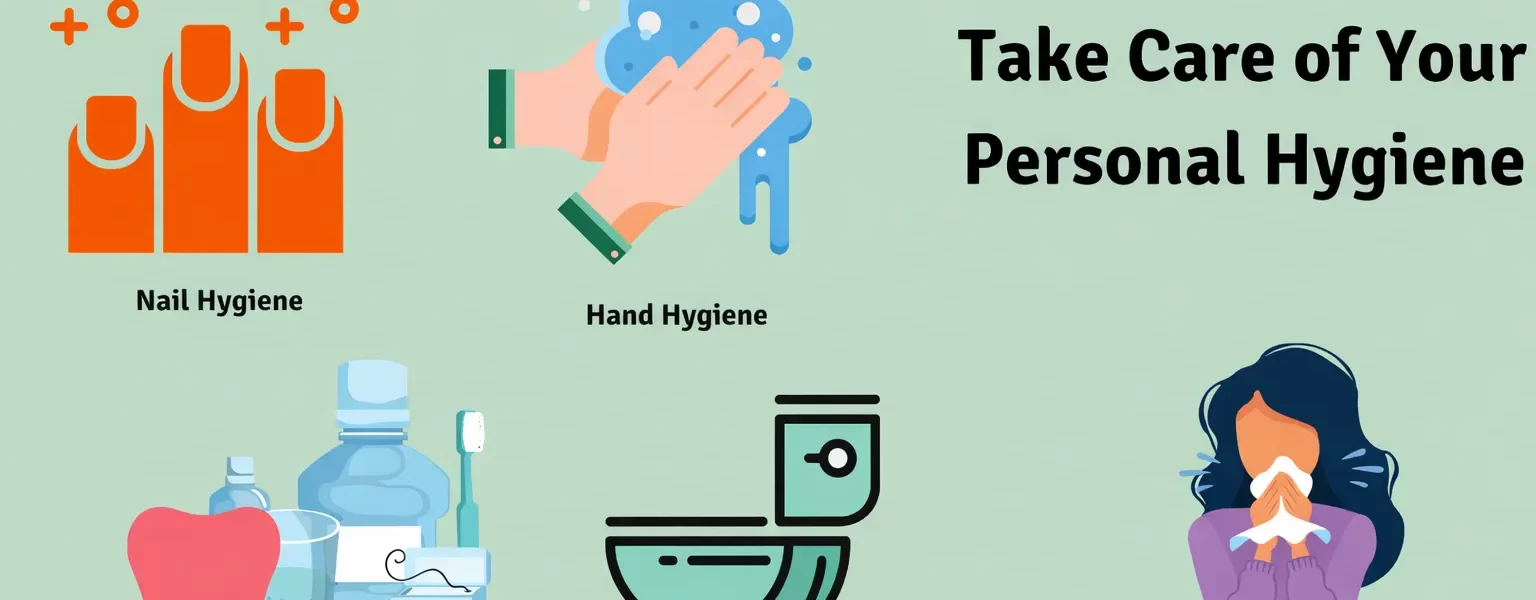

Hygiene and Health: The Importance of Personal Hygiene for a Better Life
Good health is not just about treating illness—it’s about preventing it. One of the most powerful yet often overlooked ways to stay healthy is maintaining proper personal hygiene.
Hygiene and health go hand in hand. Simple daily habits like washing your hands, brushing your teeth, and keeping your surroundings clean can significantly reduce the risk of infections and improve your overall well-being.
In this guide, we’ll explore the importance of personal hygiene, its key components, and how it contributes to a healthier life.
What Is Personal Hygiene?
Personal hygiene refers to the daily practices that help keep your body clean and prevent disease. It includes everything from grooming and cleanliness to lifestyle habits that protect your physical and mental health.
Maintaining good hygiene is not just about appearance—it’s a foundation of preventive healthcare.
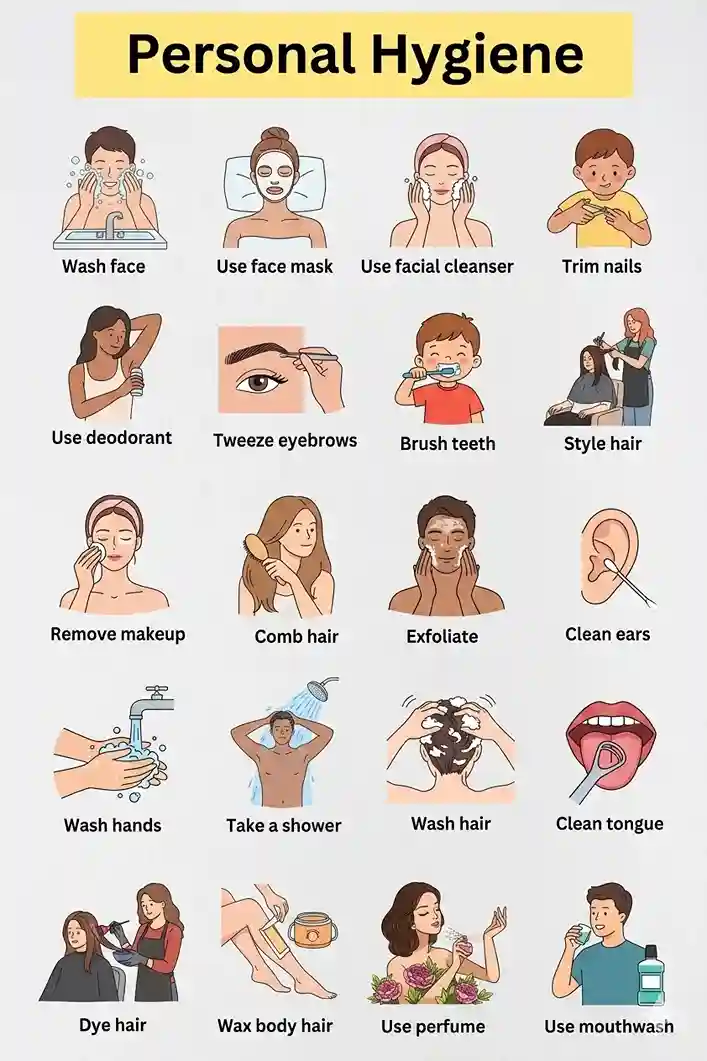
Why Personal Hygiene Matters
Practicing good hygiene helps:
- Prevent infections and diseases
- Improve physical health and immunity
- Boost confidence and self-esteem
- Enhance social interactions and relationships
- Promote overall quality of life
In short, hygiene is your first line of defense against many health problems.
Key Components of Personal Hygiene
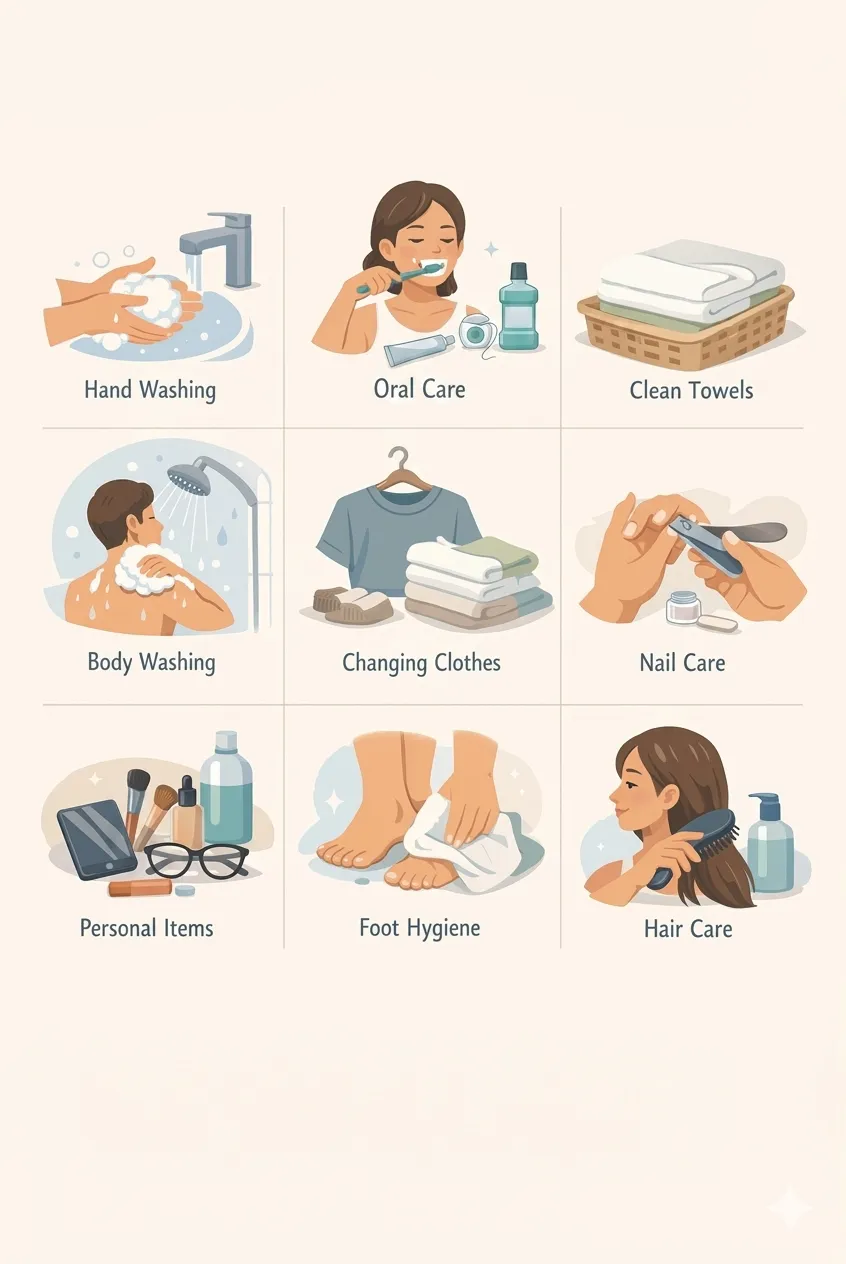
1. Oral Hygiene
Brushing your teeth twice a day, flossing, and regular dental check-ups help prevent cavities, gum disease, and bad breath.
2. Hand Hygiene
Washing your hands regularly—especially before eating and after using the toilet—is one of the most effective ways to prevent the spread of infections.
It helps protect against illnesses like:
- Foodborne infections
- Respiratory diseases
- Viral infections
3. Bathing and Skin Care
Daily bathing removes dirt, sweat, and bacteria, reducing the risk of skin infections and body odor.
4. Hair and Scalp Care
Keeping your hair clean prevents dandruff, lice, and scalp infections.
5. Nail Hygiene
Trimming and cleaning your nails helps prevent the buildup of dirt and germs that can cause infections.
6. Clean Clothing and Footwear
Wearing clean clothes and appropriate footwear protects against skin conditions, fungal infections, and foot-related issues.
7. Menstrual Hygiene
For women, proper menstrual hygiene is essential for reproductive health. Using clean products and maintaining hygiene reduces the risk of infections.
The Psychological and Social Benefits of Hygiene
Good hygiene doesn’t just affect your body—it impacts your mind and social life too.
- Builds confidence and self-esteem
- Improves social acceptance
- Reduces anxiety related to appearance or body odor
- Encourages a positive self-image
Neglecting hygiene, on the other hand, can lead to discomfort, embarrassment, and social isolation.
The Role of Preventive Healthcare
Personal hygiene is just one part of a broader health strategy. Preventive healthcare includes:
Regular Health Check-Ups
Routine screenings can detect conditions early and improve treatment outcomes.
Vaccination
Immunizations protect against serious diseases such as measles, hepatitis, and more.
Health Education
Understanding nutrition, hygiene, and lifestyle choices empowers you to make better decisions.
Harmful Habits That Affect Hygiene and Health
Certain lifestyle habits can negatively impact your health and hygiene:
1. Substance Abuse
- Smoking increases the risk of cancer and heart disease
- Excess alcohol affects liver and mental health
- Drug use can lead to addiction and infections
2. Unhealthy Diet
Diets high in processed foods, sugar, and unhealthy fats can lead to obesity, diabetes, and heart disease.
3. Physical Inactivity
A sedentary lifestyle contributes to weight gain, poor circulation, and reduced energy levels.
4. Poor Sleep Hygiene
Lack of sleep weakens the immune system and affects mental health.
5. Unsafe Practices
Poor awareness of hygiene in areas like sexual health can lead to infections and long-term complications.
Social and Cultural Influences on Hygiene
Cultural beliefs and traditions often shape hygiene practices. While some promote cleanliness, others may create barriers due to misinformation or stigma.
Education and awareness are key to:
- Breaking harmful myths
- Encouraging healthy behaviors
- Promoting long-term change
How to Promote Better Hygiene Habits
Improving hygiene is a shared responsibility between individuals and society.
Practical Ways to Promote Hygiene:
- Include hygiene education in schools
- Use media to spread awareness
- Encourage healthy habits at home
- Support public health policies
Small changes at the community level can lead to significant improvements in public health.
Final Thoughts
Hygiene and health are deeply connected—and both are essential for a happy, fulfilling life.
By practicing good personal hygiene, adopting healthy habits, and staying informed, you can:
- Prevent disease
- Improve your well-being
- Enhance your quality of life
Remember: Clean habits today lead to a healthier tomorrow.
Start with simple daily actions, stay consistent, and make hygiene a lifelong priority.