

Tips for a Strong Immune System: Key Nutrition & Lifestyle Suggestions
A strong immune system is your body’s first line of defense against illness. In today’s fast-paced lifestyle, maintaining optimal immunity is more important than ever. The good news? You can strengthen your immune system naturally through the right combination of nutrition and healthy habits.
In this guide, we’ll explore practical, science-based tips to help you stay healthy, resilient, and energized year-round.
Why Is a Strong Immune System Important?
Your immune system is a complex network of cells, tissues, and organs that work together to protect your body from harmful invaders like bacteria and viruses.
A well-functioning immune system can:
- Prevent infections
- Reduce the severity of illnesses
- Speed up recovery
- Support overall health and balance
Simply put, the stronger your immune system, the better your body can defend itself.
Nutrition: The Foundation of Immune Health
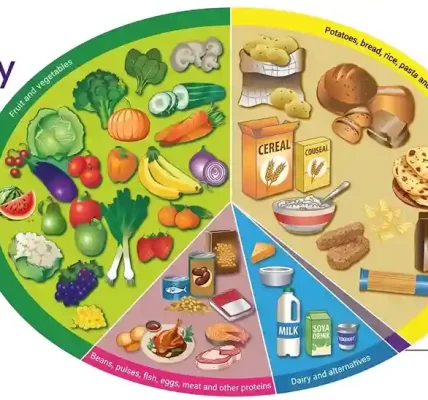
What you eat plays a major role in how well your immune system performs. A balanced diet provides the essential nutrients your body needs to fight off infections.
1. Prioritize Nutrient-Dense Foods
Diets high in sugar, unhealthy fats, and refined carbohydrates can weaken immunity. Instead, focus on foods rich in:
- Vitamins and minerals
- Antioxidants
- Fiber
These nutrients act as fuel for your immune system, helping it function efficiently.
2. Essential Fat-Soluble Vitamins
Vitamins A, D, E, and K are crucial for immune support.
- Stored in the body for long-term use
- Help regulate immune responses
- Support cell protection and repair
Vitamin D, in particular, plays a key role in reducing infection risk.
3. Don’t Forget Water-Soluble Vitamins
Vitamins like Vitamin C and the B-complex group are not stored in the body, so you need to consume them regularly.
- Support immune cell production
- Help the body respond to stress and illness
- Essential during periods of sickness
4. Macronutrients Matter Too
A strong immune system needs more than just vitamins:
- Protein: builds immune cells and antibodies
- Healthy fats: support cell function
- Carbohydrates: provide energy
- Fiber: supports gut health
Best Foods for a Strong Immune System
Including a variety of whole foods in your diet can significantly improve your immune health.
Protein-Rich Foods
- Chicken, fish, eggs
- Dairy products
- Beans, legumes, nuts
Protein helps produce cytokines, which are essential for immune response.
Fruits and Vegetables
- Berries, citrus fruits, kiwi
- Spinach, broccoli, carrots
- Sweet potatoes, peppers
These foods are packed with vitamins, antioxidants, and fiber.
Vitamin D Sources
- Fatty fish (salmon, mackerel)
- Fortified dairy products
- Whole eggs
Vitamin D supports immune regulation and defense.
Nuts, Seeds, and Minerals
- Almonds, cashews, pumpkin seeds
- Rich in zinc, magnesium, and selenium
These minerals help protect the body from disease.
Gut-Healthy Foods
- Yogurt, kefir, fermented foods
- High-fiber fruits and vegetables
A healthy gut plays a key role in immune function.
Should You Take Supplements?
While whole foods are the best source of nutrients, supplements can be helpful if:
- Your diet lacks variety
- You have increased physical demands
- You struggle to meet daily nutrient needs
However, supplements should complement—not replace—a balanced diet.
Lifestyle Habits to Boost Immunity
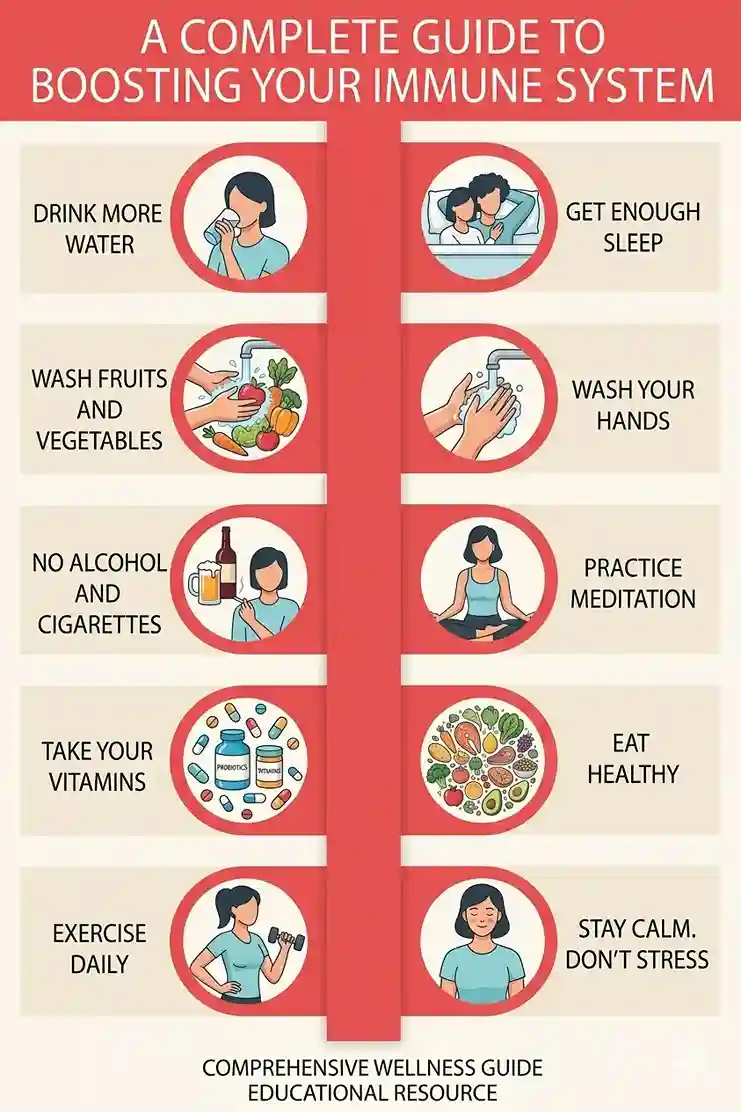
Nutrition alone isn’t enough. Your daily habits also play a crucial role in immune health.

1. Get Enough Sleep
Sleep is essential for immune function.
- Aim for 7–9 hours per night
- Supports recovery and cell repair
- Helps the body fight infections
Lack of sleep can weaken your immune defenses.
2. Manage Stress Effectively
Chronic stress can suppress immune function.
Try stress-reducing techniques such as:
- Meditation
- Deep breathing
- Yoga
Reducing stress helps your body stay balanced and resilient.
3. Stay Physically Active
Regular exercise improves circulation and immune response.
- Aim for 150 minutes of moderate activity per week
- Helps immune cells move efficiently
- Boosts mood and reduces stress
4. Stay Hydrated
Water is essential for overall health and immunity.
- Helps transport nutrients
- Flushes out toxins
- Supports cellular function
Hydration Tips:
- Drink at least 8 glasses of water daily
- Eat water-rich foods like watermelon, cucumbers, and oranges
- Track your daily intake if needed
Final Thoughts
Building a strong immune system isn’t about quick fixes—it’s about consistent, healthy habits.
By focusing on:
- Balanced nutrition
- Quality sleep
- Stress management
- Regular exercise
- Proper hydration
…you can strengthen your body’s natural defenses and improve your overall well-being.
Remember: A healthy lifestyle is your best protection against illness. Start small, stay consistent, and your immune system will thank you.