
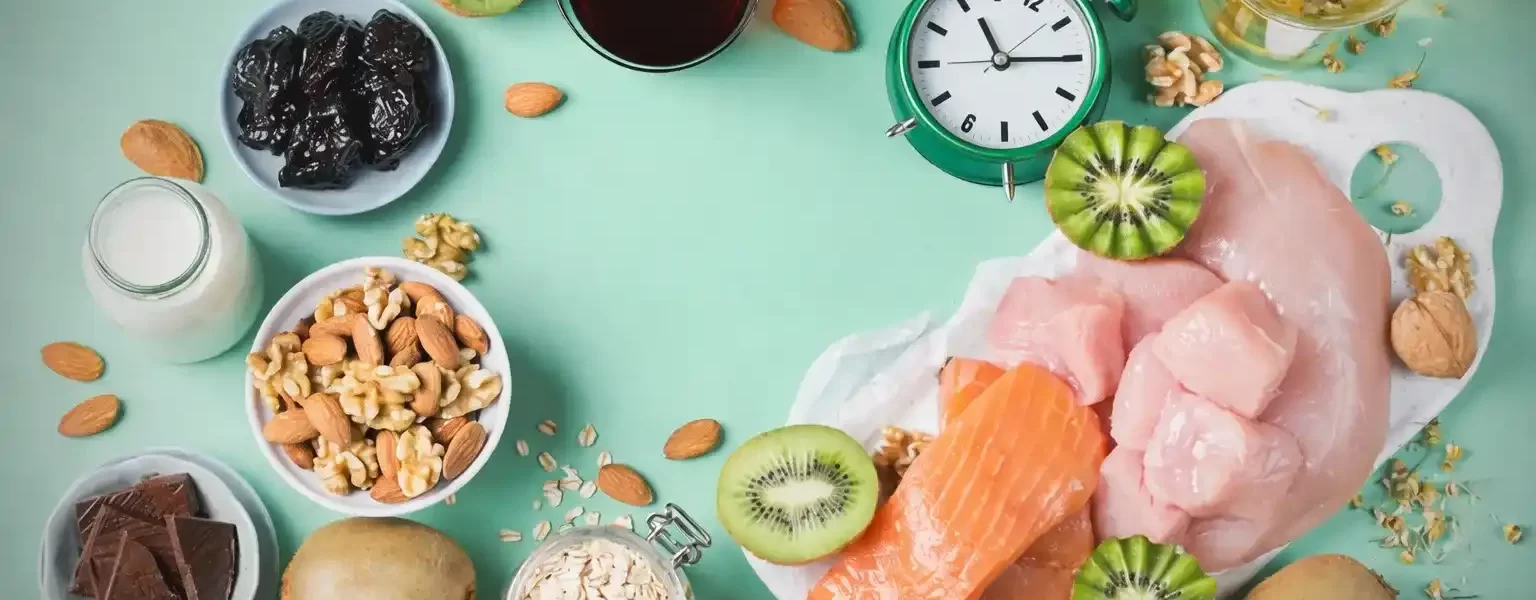

15 Best Foods and Drinks for Better Sleep: Natural Ways to Improve Your Rest
Getting a good night’s sleep is essential for your overall health, yet many people struggle with falling asleep or staying asleep. While stress, lifestyle, and environment all play a role, your diet can significantly impact your sleep quality.
Certain foods and drinks contain natural compounds that help regulate your sleep cycle, relax your body, and promote deeper rest. In this guide, we’ll explore the 15 best foods and drinks for better sleep and how you can incorporate them into your nightly routine.
Why Diet Matters for Sleep
The connection between food and sleep is backed by science. Nutrients like magnesium, tryptophan, melatonin, and antioxidants help regulate your body’s internal clock, reduce stress, and support relaxation.
By choosing the right foods before bedtime, you can naturally improve how quickly you fall asleep and how well you stay asleep throughout the night.
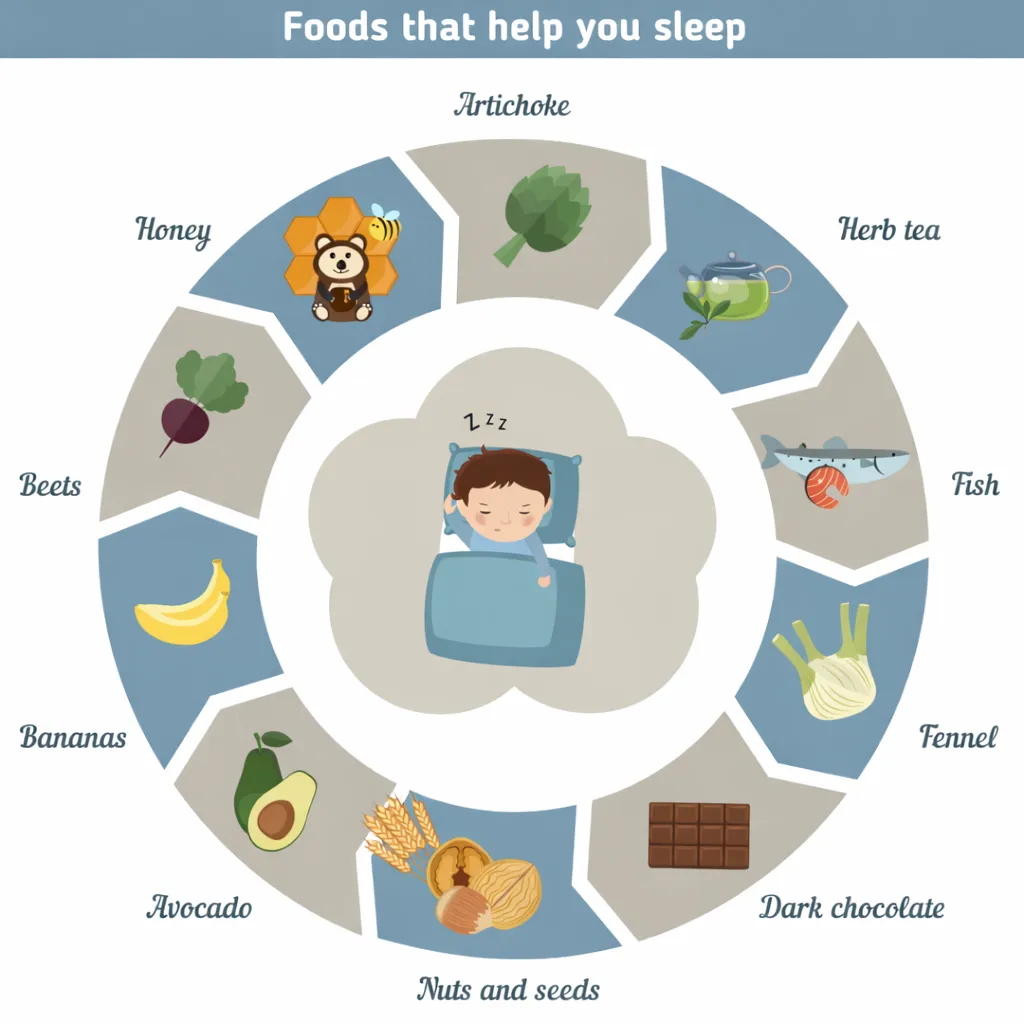
15 Best Foods and Drinks for Better Sleep
1. Almonds
Almonds are rich in magnesium, which helps relax muscles and reduce stress. They also contain melatonin, making them an ideal bedtime snack.
Tip: Enjoy a small handful in the evening.
2. Warm Milk
Warm milk contains tryptophan, which helps your body produce serotonin and melatonin—key hormones for sleep.
Tip: Drink a warm glass of milk before bed for a calming effect.
3. Chamomile Tea
Chamomile tea is known for its calming properties. It contains antioxidants that reduce anxiety and promote sleepiness.
Tip: Drink it 30–60 minutes before bedtime.
4. Bananas
Bananas provide potassium and magnesium, which help relax muscles. They also support the production of sleep-regulating hormones.
Tip: Add banana slices to oatmeal or smoothies.
5. Walnuts
Walnuts are a natural source of melatonin and omega-3 fatty acids, which support brain function and sleep quality.
6. Kiwi
Research shows that eating kiwi before bed can improve sleep duration and quality. It’s rich in serotonin and antioxidants.
7. Tart Cherry Juice
Tart cherry juice is one of the best natural sources of melatonin. It may help increase sleep time and improve sleep quality.
8. Fatty Fish
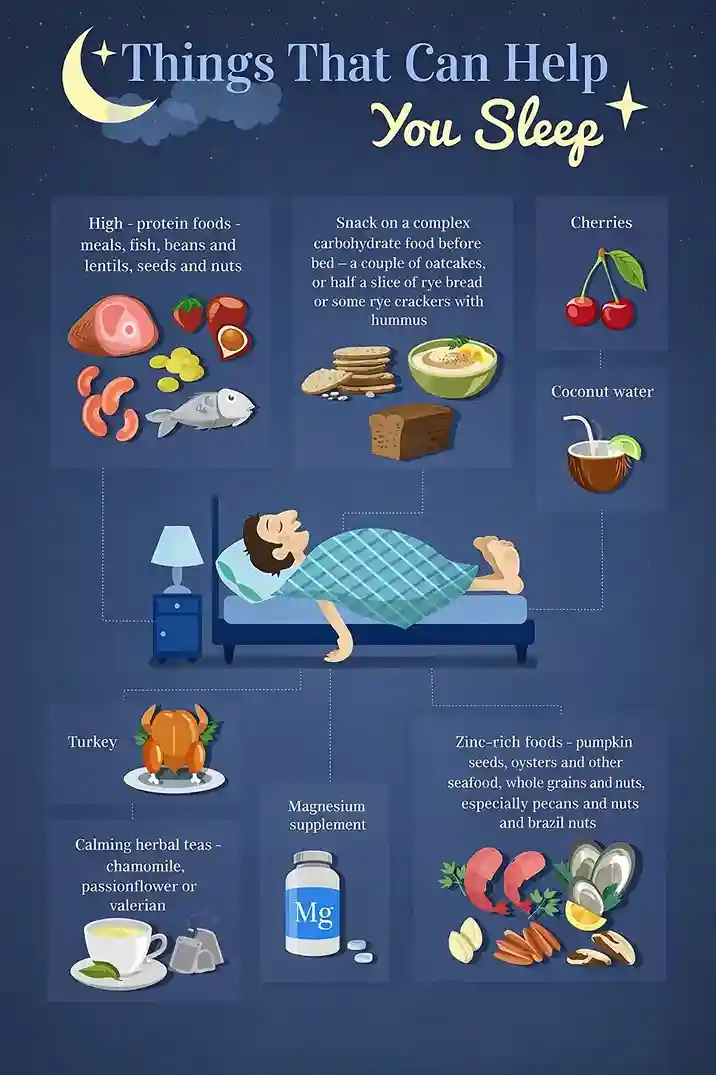
Fish like salmon and tuna contain omega-3 fatty acids and vitamin D, which support serotonin production and better sleep.
9. Turkey
Turkey is high in tryptophan and protein, helping you feel full and sleepy at the same time.
10. Oatmeal
Oats are a natural source of melatonin and complex carbohydrates, which help promote relaxation and stable blood sugar levels overnight.
11. Herbal Teas (Valerian, Lavender, Lemon Balm)
These herbal teas are known for their calming effects:
- Valerian: Promotes relaxation
- Lavender: Reduces anxiety
- Lemon balm: Improves sleep quality
12. Yogurt
Yogurt is rich in calcium, which helps the brain use tryptophan to produce melatonin. It also supports gut health, which may influence sleep.
13. Honey
Honey helps tryptophan enter the brain more easily, supporting the production of sleep hormones.
14. Spinach and Leafy Greens
Leafy greens are packed with magnesium, calcium, and potassium—all essential for muscle relaxation and better sleep.
15. Pistachios
Pistachios contain high levels of melatonin along with protein and vitamin B6, making them one of the best nuts for sleep.
Tips for Using These Foods Effectively
To maximize the benefits of sleep-friendly foods:
- Eat light snacks 1–2 hours before bedtime
- Avoid heavy or greasy meals late at night
- Limit caffeine and sugar in the evening
- Combine foods (e.g., oatmeal with banana and nuts) for better results
Foods and Drinks to Avoid Before Bed
Even with healthy options, certain foods can disrupt sleep:
- Caffeinated drinks (coffee, energy drinks)
- Sugary beverages
- Alcohol
- Heavy or spicy meals
These can interfere with your sleep cycle and reduce sleep quality.
Final Thoughts
Improving your sleep doesn’t always require medication or supplements. By incorporating these 15 best foods and drinks for better sleep into your daily routine, you can naturally support your body’s ability to relax and rest.
Remember, consistency is key. Pairing a sleep-friendly diet with healthy habits—like reducing screen time and maintaining a regular sleep schedule—can make a significant difference.
Your journey to better sleep may start in the kitchen. Every healthy choice you make brings you one step closer to deeper, more restorative rest.