

The Truth About Calories and Weight Management
When it comes to weight loss, many people blame a “slow metabolism.” But is metabolism really the main reason behind weight gain—or is there more to the story?
In this science-backed guide, you’ll learn how metabolism works, what truly affects your weight, and how to burn more calories effectively—without falling for myths or quick fixes.
What Is Metabolism?
Metabolism refers to the process by which your body converts food and drinks into energy. This energy powers everything you do—from breathing and circulating blood to repairing cells and maintaining hormone balance.
Even when you’re resting, your body is still burning calories. This baseline energy usage is called the Basal Metabolic Rate (BMR).
What Determines Your Metabolic Rate?
Your metabolism isn’t random—it’s influenced by several key factors:
1. Muscle Mass
- More muscle = more calories burned at rest
- Muscle tissue is metabolically active
2. Body Size & Composition
- Larger bodies burn more calories
- Higher lean mass increases energy expenditure
3. Gender
- Men typically burn more calories due to higher muscle mass
4. Age
- Metabolism slows slightly with age due to muscle loss
Key takeaway: While metabolism matters, it’s not the main driver of weight gain for most people.
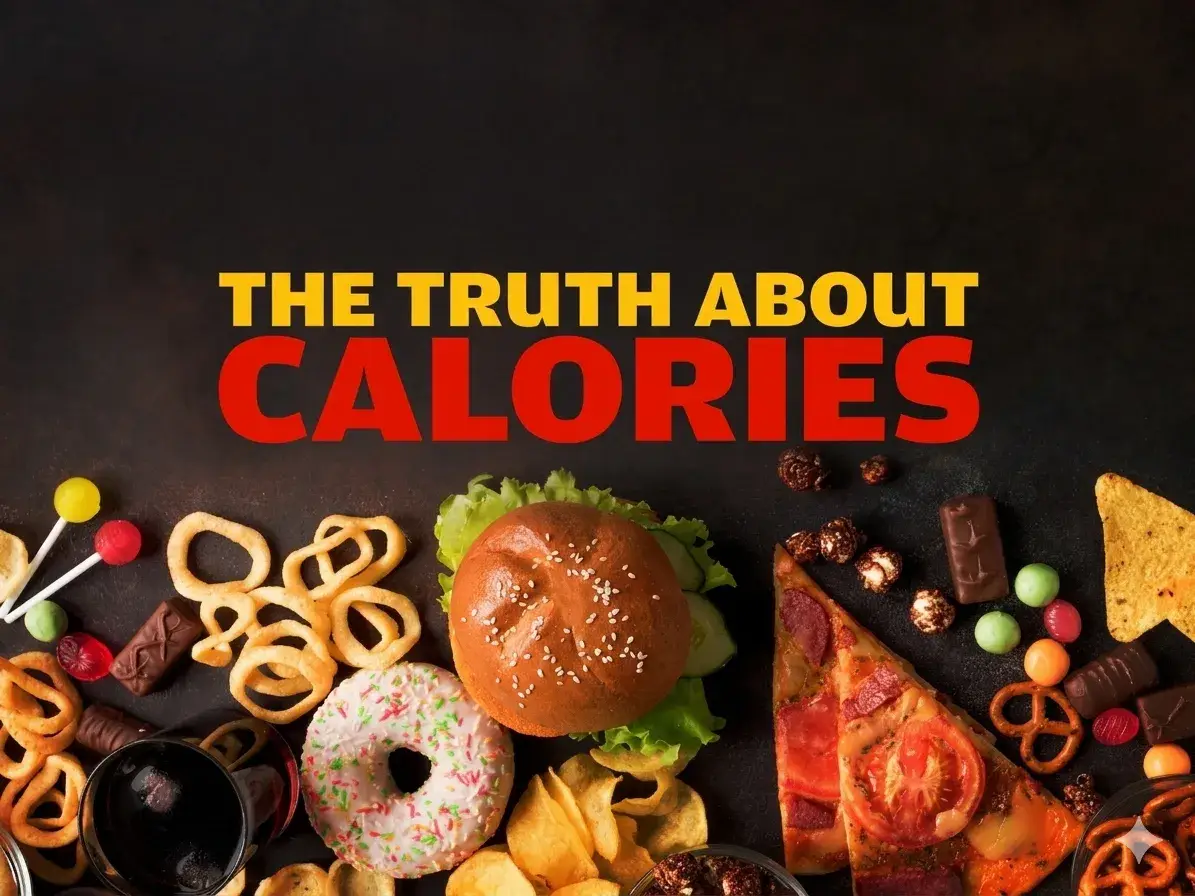
The Truth: Do Calories Really Matter?
Yes—calories are the foundation of weight management.
You gain weight when:
- You eat more calories than you burn
You lose weight when:
- You burn more calories than you consume
This is known as a calorie deficit.
No matter your metabolism, the principle remains:
Weight loss = fewer calories in + more calories out
Daily Calorie Burn: 3 Main Components
Your body burns calories in three main ways:
1. Basal Metabolic Rate (BMR)
- Energy used at rest
- Accounts for the largest portion
2. Thermic Effect of Food (TEF)
- Calories burned during digestion
- Roughly 10% of your daily intake
3. Physical Activity
- Exercise + daily movement
- The most adjustable factor
What Is NEAT (And Why It Matters)?
Non-Exercise Activity Thermogenesis (NEAT) includes all the calories you burn outside of structured workouts:
- Walking around your house
- Cleaning, cooking, gardening
- Fidgeting or standing
NEAT can burn 100–800 calories per day, making it a powerful but often overlooked tool for weight management.

Is Slow Metabolism Really the Problem?
In most cases—no.
Medical conditions like:
- Hypothyroidism
- Cushing syndrome
can affect metabolism, but they are rare causes of significant weight gain.
More common factors include:
- Diet habits
- Physical activity level
- Sleep quality
- Stress
- Hormones and genetics
The reality: Most weight gain comes from lifestyle, not metabolism.
How to Burn More Calories Effectively
1. Increase Physical Activity
Follow general guidelines:
- 150 minutes/week of moderate exercise
or - 75 minutes/week of intense exercise
Examples:
- Brisk walking
- Cycling
- Swimming
- Running
2. Add Strength Training
Strength training is essential because it:
- Builds muscle
- Increases resting calorie burn
- Improves long-term metabolism
Aim for 2 sessions per week targeting all major muscle groups
3. Move More Throughout the Day
Small actions add up:
- Take the stairs
- Walk more
- Stand instead of sit
- Do household chores
Boosting NEAT can significantly increase daily calorie burn
The Myth of “Boosting Metabolism”
Many products claim to “speed up metabolism”—but most don’t work.
Avoid:
- Fat-burning supplements
- Detox teas
- Miracle weight-loss pills
These often:
- Lack scientific evidence
- May cause side effects
There is no shortcut to sustainable weight loss.
Sustainable Weight Loss Strategy
For safe and effective fat loss:
- Create a daily calorie deficit of 500–750 calories
- Expect to lose about:
- 0.5–0.7 kg (1–1.5 lbs) per week
Combine:
- Balanced nutrition
- Regular exercise
- Consistent habits
Consistency Over Perfection
Weight management isn’t about being perfect—it’s about being consistent.
Focus on:
- Long-term habits
- Gradual improvements
- Realistic goals
Small daily actions lead to lasting results.
Final Thoughts
The truth about metabolism and weight loss is simple:
- Metabolism plays a role—but it’s not the main factor
- Calories, activity, and lifestyle habits matter more
- There’s no quick fix—only sustainable strategies
If you want to lose weight and keep it off:
- Move more
- Eat smarter
- Stay consistent