
How to Create a Simple Eat Clean Menu: A Beginner-Friendly Guide
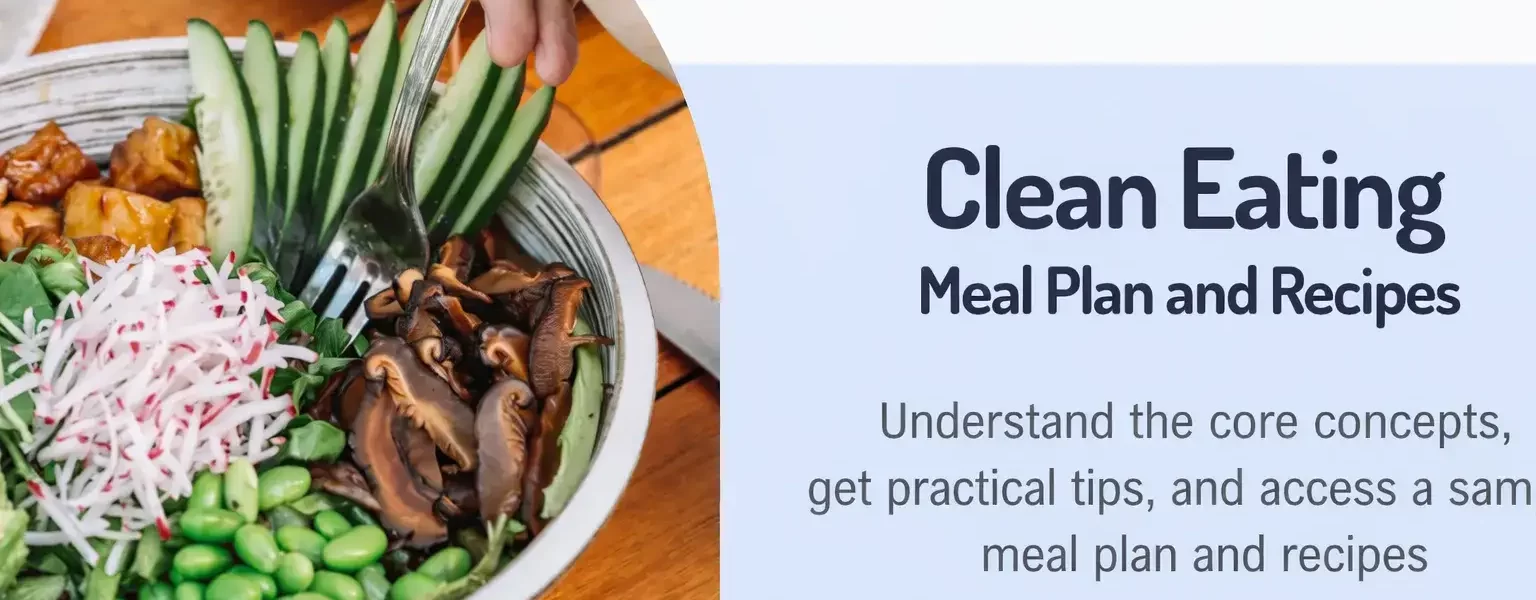
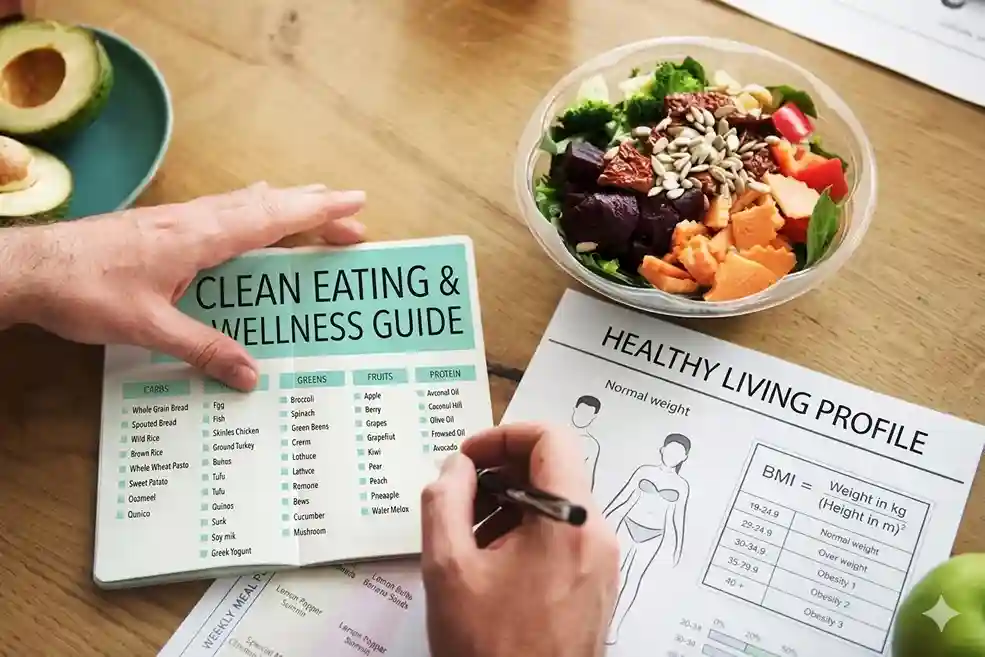
Starting a healthy lifestyle can feel overwhelming, especially when you hear terms like “clean eating meal plan.” However, clean eating is not about strict rules, deprivation, or perfection. Instead, it focuses on choosing real, whole foods that nourish your body and support long-term wellness.
In this guide, you’ll learn how to create a simple eat clean menu, build a smart grocery list, and follow an easy 7-day plan designed for beginners.
What Is Clean Eating?
Clean eating is a flexible and sustainable approach to nutrition. It encourages you to consume foods that are as close to their natural state as possible while limiting highly processed items.
Rather than counting calories or following complicated diets, clean eating is about:
- Choosing foods with minimal ingredients
- Avoiding added sugars and unhealthy fats
- Focusing on how food makes your body feel
It’s not a short-term diet—it’s a healthy lifestyle you can maintain long term.
Foods to Include in a Clean Eating Menu
A balanced clean eating plate includes a variety of nutrient-dense foods. Here are the key categories to focus on:
1. Fruits and Vegetables
Fresh or frozen fruits and vegetables are rich in vitamins, minerals, and fiber. Aim to fill half your plate with colorful produce to maximize nutrients.
2. Lean Proteins
Protein helps build muscle and keeps you feeling full longer. Healthy options include:
- Chicken
- Fish
- Eggs
- Beans and lentils
3. Whole Grains
Whole grains provide steady energy throughout the day. Choose:
- Brown rice
- Quinoa
- Oats
- Whole wheat bread
4. Healthy Fats
Healthy fats are essential for brain function and overall health. Include:
- Avocados
- Nuts and seeds
- Olive oil
Your 7-Day Simple Clean Eating Menu
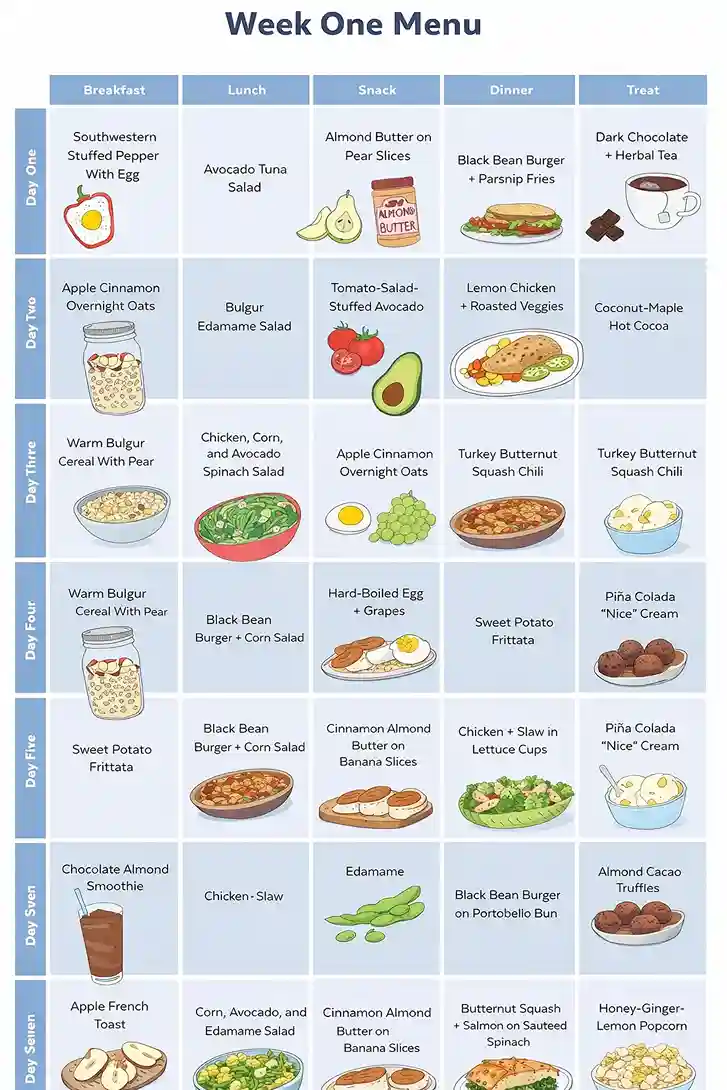
Creating a weekly plan makes healthy eating easier and reduces daily stress. Here’s a beginner-friendly 7-day menu:
Day 1
- Breakfast: Scrambled eggs with spinach
- Lunch: Grilled chicken salad with mixed greens
- Dinner: Baked salmon with roasted asparagus
Day 2
- Breakfast: Oatmeal topped with berries and chia seeds
- Lunch: Leftover salmon and vegetables
- Dinner: Lentil soup with carrots and celery
Day 3
- Breakfast: Egg and spinach scramble
- Lunch: Lentil soup leftovers
- Dinner: Chicken stir-fry with brown rice and vegetables
Day 4
- Breakfast: Oatmeal with fresh fruit
- Lunch: Chicken stir-fry leftovers
- Dinner: Turkey meatballs with zucchini noodles
Day 5
- Breakfast: Smoothie with yogurt, banana, and spinach
- Lunch: Quinoa salad with black beans and corn
- Dinner: Grilled shrimp with vegetables
Day 6
- Breakfast: Boiled eggs with avocado
- Lunch: Quinoa salad leftovers
- Dinner: Turkey meatballs with zucchini noodles
Day 7
- Breakfast: Yogurt smoothie
- Lunch: Grilled shrimp leftovers
- Dinner: Large salad with grilled chicken and vegetables
This plan is flexible—feel free to swap meals based on your preferences.
How to Build a Clean Eating Shopping List
A well-prepared grocery list is the foundation of your success.
Focus on Fresh Produce
Stock up on a variety of fruits and vegetables. Choose seasonal produce to save money and ensure freshness.
Choose Lean Proteins
Add chicken, fish, eggs, and plant-based proteins like beans and lentils to your list.
Include Whole Grains
Buy staples such as brown rice, oats, and quinoa for long-lasting energy.
Don’t Forget Healthy Fats
Keep items like olive oil, nuts, and seeds in your pantry for easy meal preparation.
Smart Meal Prep Tips for Busy Weeks
Meal prepping helps you stay consistent and avoid unhealthy choices.
Plan Ahead
Spend a few hours on the weekend preparing meals for the week. Cook grains, grill proteins, and chop vegetables in advance.
Store Food Properly
Use airtight containers to keep meals fresh. Glass containers are a great option for maintaining quality.
Prepare Healthy Snacks
Keep ready-to-eat snacks like:
- Nuts
- Fresh fruit
- Cut vegetables with hummus
Having healthy options available makes it easier to stay on track.
Common Questions About Clean Eating
Can You Eat Out While Eating Clean?
Yes! Choose dishes that are grilled, baked, or steamed. Ask for sauces on the side and replace fries with vegetables or salad.
Is Clean Eating Expensive?
Not necessarily. Planning meals, buying in bulk, and choosing seasonal foods can make clean eating affordable.
What If You Slip Up?
It’s completely normal. One unhealthy meal won’t ruin your progress—just get back on track with your next meal.
When Will You See Results?
Some people notice increased energy within days, while others see changes after a few weeks. Consistency is key.
Final Thoughts
Learning how to create a simple eat clean menu doesn’t have to be complicated. By focusing on whole, natural foods and planning your meals ahead of time, you can build a healthy lifestyle that lasts.
Start small, stay consistent, and remember—clean eating is about progress, not perfection.