
9 Steps to Improve Heart Health, According to the Latest AHA Dietary Guidelines
Heart disease remains one of the leading causes of death worldwide—but the good news is that many cases are preventable. According to the American Heart Association, up to 80% of cardiovascular disease and stroke can be prevented through healthy lifestyle choices, especially diet.
In its latest 2026 update, the AHA emphasizes a powerful shift: instead of focusing on strict rules or short-term diets, we should adopt lifelong, sustainable eating patterns.
In this guide, you’ll discover the 9 most effective dietary steps to improve heart health—plus practical ways to apply them in your daily life.
Why Diet Matters for Heart Health
Poor eating habits are a major contributor to conditions like:
- High blood pressure
- Obesity
- Type 2 diabetes
All of these significantly increase the risk of cardiovascular disease.
The AHA’s updated guidance highlights that what you eat consistently over time matters more than occasional “perfect” meals.
The 9 Key Steps for a Heart-Healthy Diet
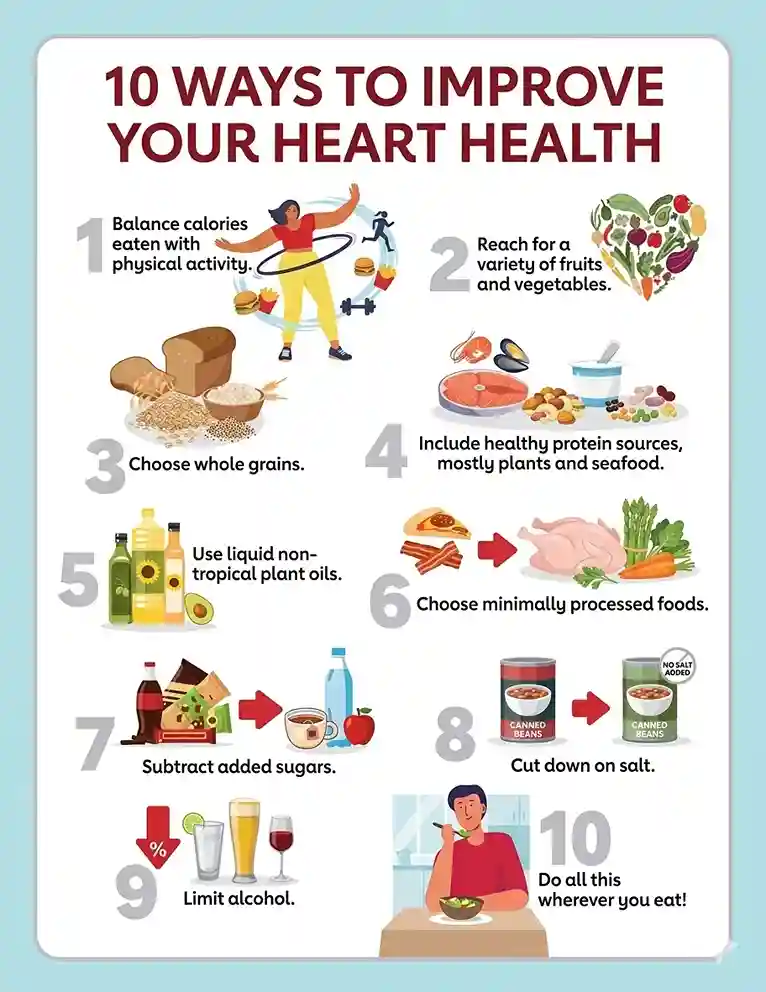
1. Balance Calories with Physical Activity
Maintaining a healthy weight is essential for heart health. Combine balanced calorie intake with regular movement to prevent weight gain and reduce strain on your heart.
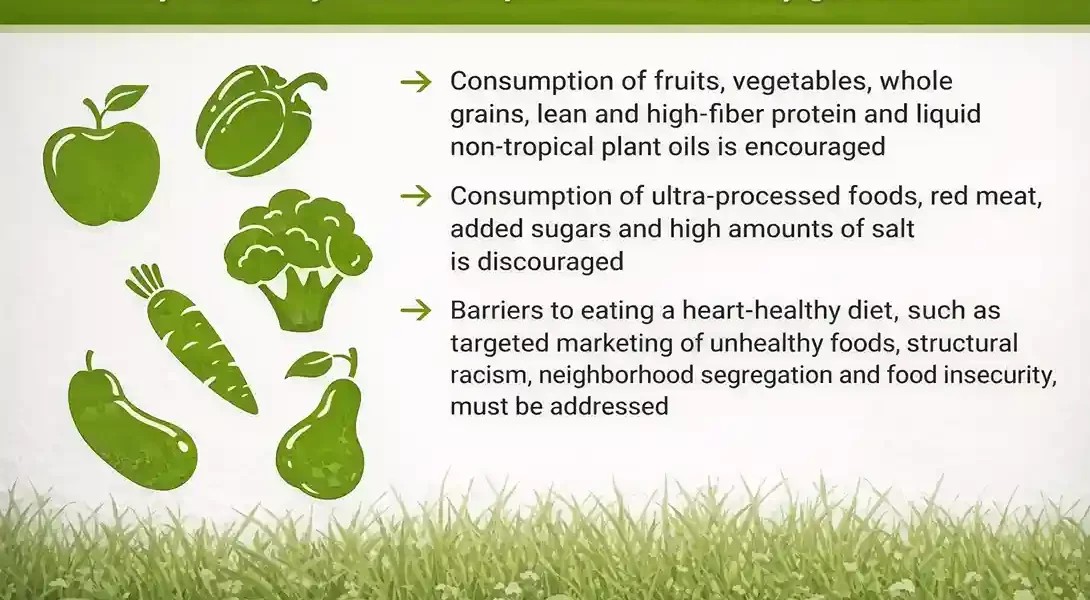
2. Eat More Fruits and Vegetables
Fruits and vegetables are rich in fiber, vitamins, and antioxidants that support heart function and reduce inflammation.
Tip: Aim to fill at least half your plate with colorful produce.
3. Choose Whole Grains Over Refined Grains
Whole grains like oats, brown rice, and whole wheat contain more fiber and nutrients than refined grains.
They help:
- Lower cholesterol
- Stabilize blood sugar
- Improve digestion
4. Prioritize Healthy Protein Sources
Focus on plant-based proteins such as:
- Beans
- Lentils
- Nuts
- Seeds
You can also include fish and lean meats, but reducing red and processed meats is key.
5. Replace Saturated Fats with Unsaturated Fats
Swap foods high in saturated fats (like fatty meats and butter) with healthier options such as:
- Avocados
- Olive oil
- Nuts and seeds
These fats help reduce harmful cholesterol levels.
6. Limit Ultra-Processed Foods
Ultra-processed foods often contain:
- Added sugars
- Unhealthy fats
- Excess sodium
Reducing these foods can significantly improve your overall health and lower heart disease risk.
7. Cut Back on Added Sugars
Sugary drinks and snacks are major contributors to weight gain and metabolic issues.
Better alternatives:
- Water or herbal tea
- Whole fruits instead of desserts
8. Reduce Sodium Intake
Excess salt can raise blood pressure—a key risk factor for heart disease.
Simple strategies:
- Cook more meals at home
- Read nutrition labels
- Limit packaged foods
9. Be Mindful of Alcohol Consumption
If you don’t drink, there’s no need to start. If you do, keep it moderate to avoid negative effects on heart health.
A Shift Toward Sustainable Eating Habits
One of the biggest changes in the 2026 guidelines is the focus on overall dietary patterns rather than individual nutrients.
This means:
- No need for extreme restrictions
- Flexibility based on your culture, lifestyle, and budget
- Progress over perfection
Even small improvements—like swapping processed snacks for whole foods—can make a meaningful difference over time.
How to Apply These Steps in Real Life
Making heart-healthy changes doesn’t have to be overwhelming. Start with simple, practical habits:
Start Small
Instead of changing everything at once, improve one meal or habit at a time.
Plan Ahead
Prepare simple meals during the week to avoid relying on fast food or processed options.
Make Smart Swaps
- Replace red meat with beans or fish
- Use olive oil instead of butter
- Choose whole grains over white bread
Read Food Labels
Be aware of hidden sodium and added sugars in packaged foods.
Heart Health Starts Early—and Lasts a Lifetime
The AHA emphasizes that heart health begins in childhood and continues throughout life. Healthy habits formed early can significantly reduce long-term disease risk.
Families play a key role by:
- Modeling healthy eating behaviors
- Creating balanced meals at home
- Encouraging active lifestyles
Benefits Beyond Heart Health
Following a heart-healthy diet doesn’t just protect your القلب—it also supports:
- Healthy weight management
- Better blood sugar control
- Reduced risk of type 2 diabetes
- Lower risk of certain cancers and kidney disease
In short, a healthy diet improves your entire body—not just your heart.
Final Thoughts
Improving your heart health doesn’t require perfection or extreme dieting. Instead, it’s about consistent, sustainable choices over time.
The key takeaway from the American Heart Association is simple:
Focus on your overall eating pattern
Make gradual improvements
Stick with habits you can maintain for life
Your daily food choices are one of the most powerful tools you have to protect your heart—and your future.
Start today with one small change, and build from there.