
Can Blue Light Interfere With Sleep? What Science Says
From smartphones and laptops to LED lights and sunlight, blue light is everywhere. While it plays an important role in keeping us alert during the day, exposure at the wrong time—especially at night—can seriously disrupt your sleep.
So, can blue light interfere with sleep?
Yes—and science strongly supports it.
In this article, you’ll learn how blue light affects your brain, when it’s helpful, when it’s harmful, and how to manage it for better sleep quality.
What Is Blue Light?
Blue light is part of the visible light spectrum and has one of the shortest wavelengths and highest energy levels. It makes up about one-third of all visible light.
Common Sources of Blue Light:
- Sunlight (the largest natural source)
- Smartphones and tablets
- Computer and laptop screens
- TVs and e-readers
- LED and fluorescent lighting
While natural blue light is essential during the day, artificial sources—especially at night—can disrupt your body’s internal clock.
How Blue Light Affects Your Brain and Body Clock
Your body runs on a circadian rhythm, a 24-hour internal clock that regulates sleep, energy, and hormone levels.
At the center of this system is a part of the brain called the hypothalamus, which responds to light and darkness.
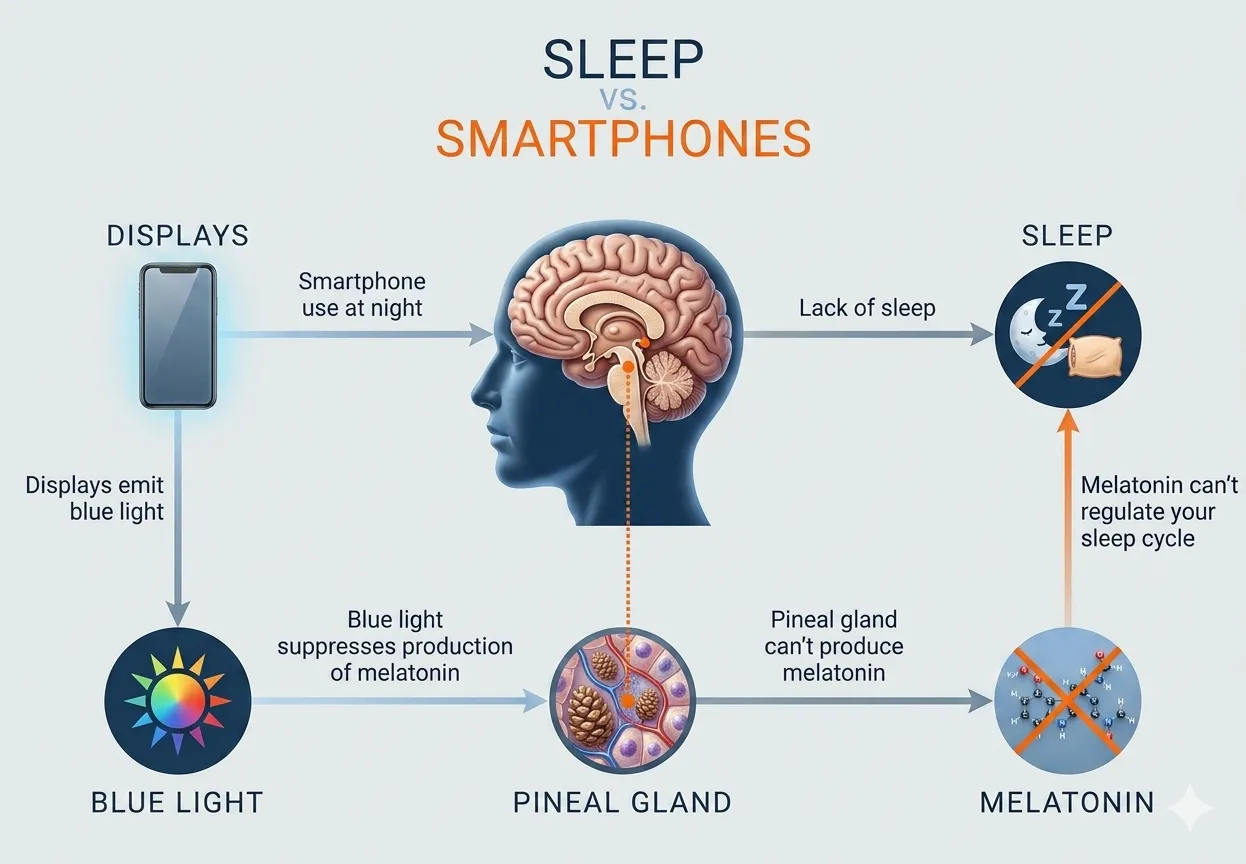
What Happens When You’re Exposed to Blue Light?
- During the day:
Blue light signals your brain to stay awake and alert - At night:
It tricks your brain into thinking it’s still daytime
This confusion can interfere with your natural sleep cycle.
Does Blue Light Make Sleep Worse?
Yes—especially when exposure happens in the evening.
Here’s how it affects your sleep:
1. Suppresses Melatonin Production
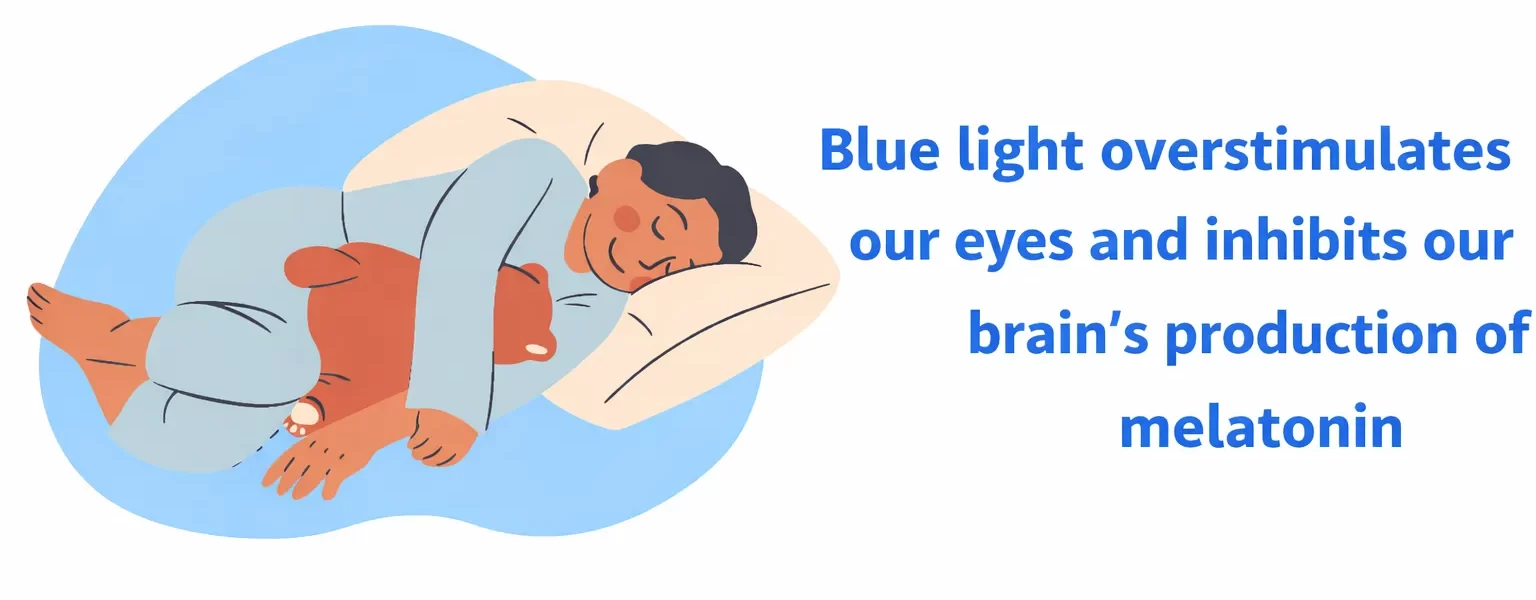
Melatonin is the hormone that tells your body it’s time to sleep. Blue light exposure at night delays its release, making it harder to fall asleep.
2. Delays Sleep Onset
Your brain stays in “daytime mode,” so you feel less sleepy even when it’s bedtime.
3. Reduces Sleep Quality
Studies show that screen use before bed can reduce REM sleep, the deep stage essential for memory and recovery.
4. Causes Next-Day Fatigue
Poor sleep quality leads to tiredness, reduced focus, and lower productivity the next day.
Is Blue Light Ever Beneficial?
Absolutely—timing is everything.
Benefits of Blue Light During the Day:
- Boosts alertness and reaction time
- Improves mood and energy
- Helps regulate circadian rhythm
- Supports focus and productivity
Morning light exposure can even help reset your body clock, especially after jet lag or poor sleep.
What Is Blue Light Therapy?
Blue light isn’t always harmful—it’s also used as a treatment.
Blue Light Therapy Can Help With:
- Insomnia
- Jet lag
- Shift work sleep disorder
- Seasonal affective disorder (SAD)
This therapy uses a light box that mimics sunlight, typically used in the morning to reset your internal clock and improve wakefulness.
How to Manage Blue Light for Better Sleep
Improving your sleep doesn’t mean avoiding blue light completely—it means using it wisely.
1. Get Natural Light During the Day
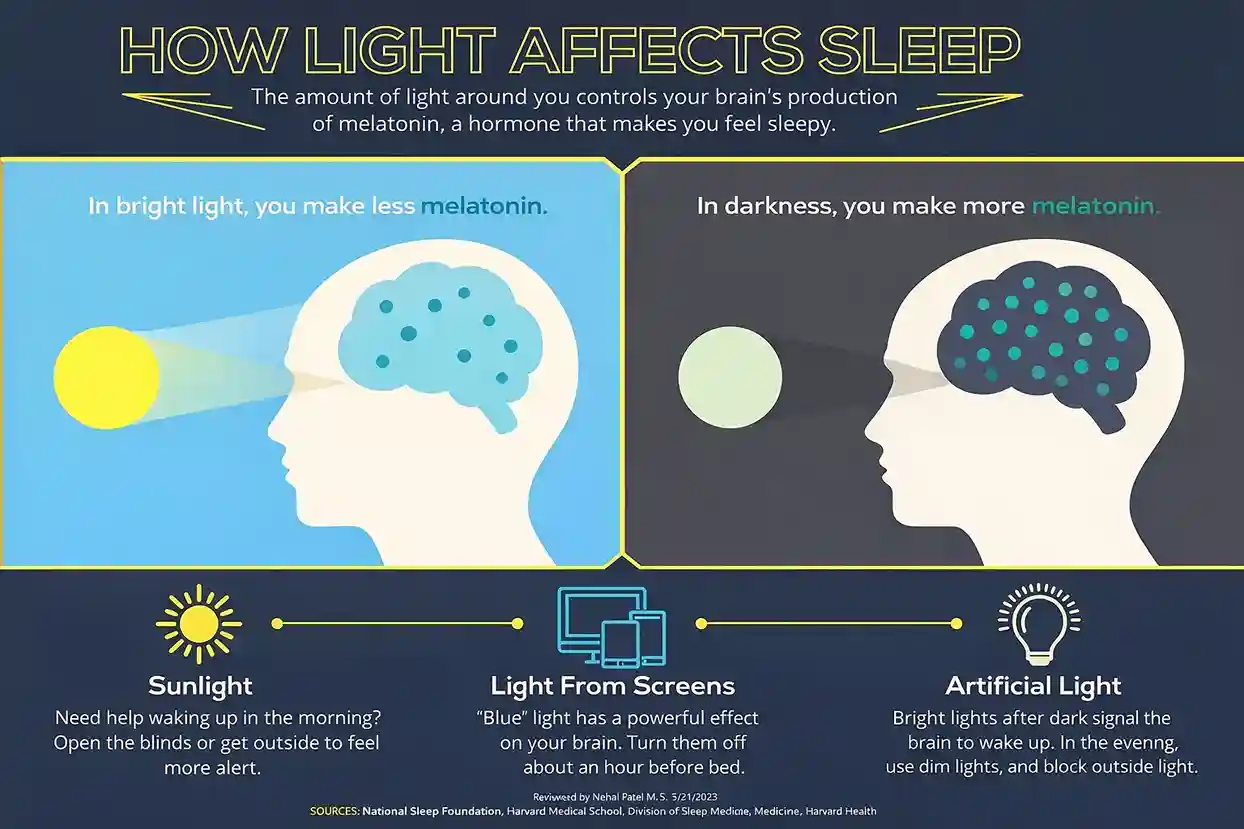
Start your morning with sunlight. Even sitting near a window can help regulate your body clock and boost alertness.
2. Avoid Screens Before Bed
Try to limit screen use at least 1 hour before bedtime. This gives your body time to naturally produce melatonin.
3. Use Night Mode or Blue Light Filters
If you must use devices at night, enable:
- Night mode
- Dark mode
- Blue light filters
These reduce—but don’t completely eliminate—sleep disruption.
4. Create a Relaxing Evening Routine
Replace screen time with calming activities like:
- Reading a book
- Stretching or yoga
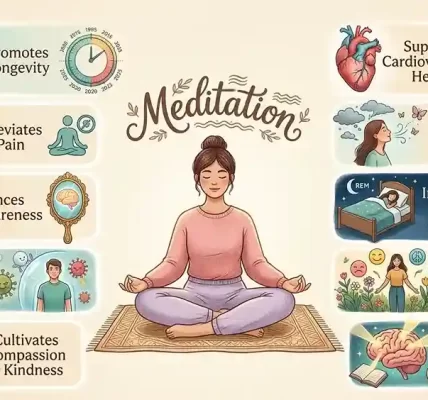
- Meditation
5. Adjust Your Lighting
Use warm, dim lighting in the evening instead of bright LED lights to support natural sleep signals.
When to See a Doctor
If you experience:
- Trouble falling asleep
- Frequent night awakenings
- Daytime fatigue or poor focus
At least 3 times a week for 3 months, you may have chronic insomnia. In that case, it’s best to consult a healthcare professional or sleep specialist.
Final Thoughts
Blue light isn’t the enemy—it’s a powerful tool when used correctly.
During the day: It boosts energy, focus, and mood
At night: It can disrupt sleep and delay recovery
The key is balance.
By managing your exposure—getting sunlight during the day and limiting screens at night—you can improve sleep quality, enhance focus, and support overall health.
Start small: turn off your devices earlier tonight, and let your body do what it was designed to do—rest.