
15 Common Mistakes When Trying to Lose Weight (And How to Avoid Them)
Losing weight can feel frustrating, especially when you’re putting in effort but not seeing the results you expect. The truth is, weight loss isn’t just about eating less or exercising more—it’s about avoiding common mistakes that can silently slow down your progress.
If you’ve been struggling to reach your goals, you might be following outdated advice or making small errors that add up over time. In this guide, we’ll break down the 15 most common weight loss mistakes and how to fix them for better, more sustainable results.
1. Relying Only on the Scale
The number on the scale doesn’t always reflect your true progress. Your weight can fluctuate due to water retention, hormones, digestion, or muscle gain.
Instead of focusing only on the scale, track:
- Waist measurements
- Progress photos
- How your clothes fit
You may be losing fat even if the scale doesn’t change much.
2. Eating Too Many or Too Few Calories
A calorie deficit is essential for weight loss—but balance is key.
- Too many calories: prevents fat loss
- Too few calories: slows metabolism, increases hunger, and may cause muscle loss
The goal is a moderate, sustainable calorie deficit.
3. Not Exercising (or Over-Exercising)
Exercise plays a crucial role in preserving muscle and boosting metabolism. Without it, you may lose muscle instead of fat.
However, overtraining can lead to:
- Burnout
- Hormonal imbalance
- Increased stress
The best approach is consistent, moderate exercise.
4. Skipping Strength Training
Many people focus only on cardio, but weight training is essential for fat loss.
Benefits of lifting weights:
- Builds muscle
- Increases metabolism
- Helps burn more calories even at rest
Combining cardio and resistance training delivers the best results.
5. Choosing “Diet” or Low-Fat Foods
Low-fat or “diet” foods often contain added sugar and processed ingredients. These can increase hunger and lead to overeating.
Instead, focus on:
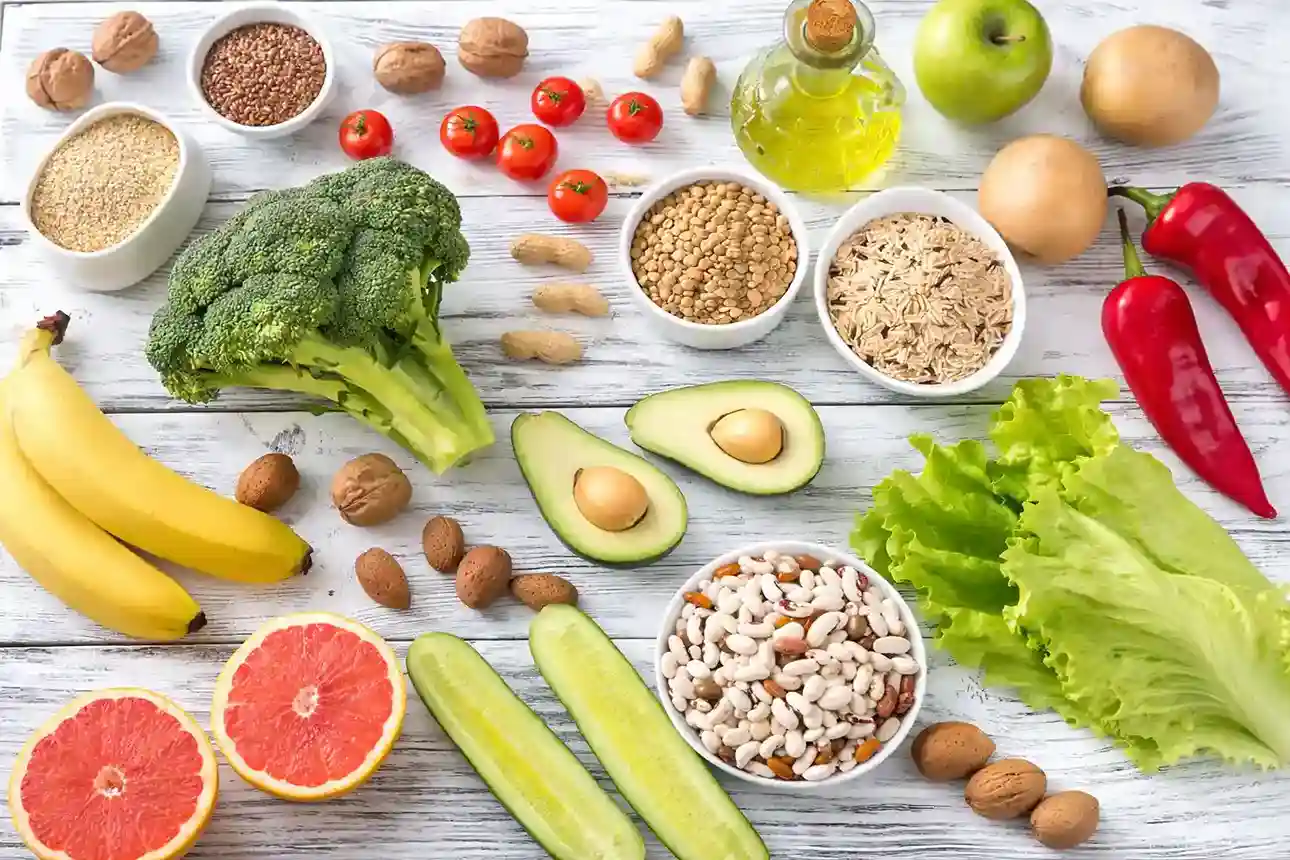
- Whole, natural foods
- Balanced meals with protein, fiber, and healthy fats
6. Overestimating Calories Burned
Many people think they burn more calories than they actually do during exercise. This can lead to overeating.
While exercise is important, nutrition plays a bigger role in weight loss.
7. Not Eating Enough Protein
Protein is one of the most important nutrients for weight loss.
It helps:
- Reduce appetite
- Increase fullness
- Preserve muscle mass
- Boost metabolism
Make sure each meal includes a good source of protein.
8. Ignoring Fiber Intake
Fiber helps you feel full and supports digestion. A low-fiber diet can make weight loss harder.
Add more:
- Vegetables
- Fruits
- Whole grains
- Legumes
9. Eating Too Much Fat on Low-Carb Diets
Low-carb diets can be effective, but they still require calorie control. Eating too much fat—even healthy fat—can stall weight loss.
Moderation is key.
10. Eating Too Frequently
Eating constantly—even when you’re not hungry—can increase your daily calorie intake.
Instead:
- Eat when you’re truly hungry
- Listen to your body’s signals
11. Setting Unrealistic Goals
Expecting rapid weight loss can lead to disappointment and frustration.
A realistic goal is:
- 1–2 pounds (0.5–1 kg) per week
- Or 5–10% body weight over time
Sustainable progress is better than quick results.
12. Not Tracking Your Food
Even healthy foods can be high in calories. Without tracking, it’s easy to eat more than you think.
Tracking helps you:
- Stay accountable
- Understand your habits
- Improve portion control
13. Drinking Sugary Beverages
Sugary drinks like soda and even fruit juice can add a large number of calories without making you feel full.
Better choices:
- Water
- Herbal tea
- Black coffee
14. Ignoring Food Labels
Food packaging can be misleading. Products labeled as “healthy” may still contain hidden sugars, fats, or calories.
Always check:
- Nutrition facts
- Ingredient list
15. Eating Too Many Processed Foods
Highly processed foods are easy to overeat and often lack essential nutrients.
Instead, prioritize:
- Whole, single-ingredient foods
- Fresh and minimally processed meals
These foods naturally help control appetite and improve overall health.
Final Thoughts
Weight loss is not just about willpower—it’s about making smart, informed choices. Avoiding these 15 common mistakes can help you break through plateaus and achieve long-term success.
Remember:
- Focus on consistency, not perfection
- Choose whole, nutritious foods
- Combine proper nutrition with regular exercise
Small changes over time lead to lasting results.