
The Science Behind Detoxing: Separating Myths from Facts
Introduction
In today’s wellness-driven world, “detoxing” has become a popular trend—promoted through juice cleanses, detox teas, and restrictive diets that promise quick results. But how much of this is actually backed by science?
The truth is, your body already has a highly efficient detox system. Understanding how it works—and separating facts from myths—can help you make smarter, healthier choices.
In this article, we’ll explore what detoxification really means, debunk common detox myths, and share science-based ways to support your body naturally.
What Is Detoxification?
Detoxification is a natural biological process carried out by your body every day. Key organs involved include:
- The liver
- The kidneys
- The lungs
- The skin
These systems work together to filter, break down, and eliminate harmful substances such as toxins, waste products, and environmental pollutants.
For most healthy individuals, these built-in mechanisms are more than capable of handling detoxification without external products.
Common Detox Myths Debunked
Despite its popularity, many detox claims are misleading or unsupported by scientific evidence. Let’s break down some of the most common myths.
Myth 1: Detox Products Remove Toxins Faster
There is little scientific evidence that detox teas, juices, or supplements speed up toxin removal. Your liver and kidneys already perform this function efficiently.
Myth 2: You Need Detox After Overindulgence
After consuming too much alcohol or unhealthy food, the best solution is returning to a balanced diet, staying hydrated, and resting—not extreme detox programs.
Myth 3: Detox Diets Lead to Long-Term Weight Loss
Any quick weight loss from detox diets is usually temporary and due to:
- Water loss
- Muscle loss
Sustainable weight loss requires long-term healthy habits, not short-term cleanses.
Myth 4: Detoxing Can Reverse Long-Term Damage
Detox products cannot undo the effects of chronic habits like smoking or excessive alcohol consumption. Long-term lifestyle changes are the only effective solution.
Myth 5: You Must Fast to Detox
Extended fasting can actually stress your body, slow metabolism, and reduce energy levels. Balanced nutrition is far more beneficial.
Myth 6: Detoxing Is Safe for Everyone
Many detox programs can be harmful, especially for:
- Pregnant or breastfeeding women
- People with medical conditions
- Individuals with nutrient deficiencies
Always consult a healthcare professional before trying extreme diets.
Myth 7: Detox Supplements Are Proven and Regulated
Many detox products lack proper regulation and scientific validation. Some may even contain harmful or unverified ingredients.
The Real Science Behind Detoxing
While detox myths are widespread, science does support certain lifestyle habits that enhance your body’s natural detox processes.
1. Support Liver and Kidney Function
A nutrient-rich diet helps your body detox efficiently. Focus on:
- Antioxidant-rich foods (berries, leafy greens)
- Fibre-rich foods (whole grains, vegetables)
- Adequate hydration
2. Reduce Your Toxic Load
Minimizing exposure to harmful substances can ease the burden on your body. This includes:
- Limiting alcohol
- Avoiding smoking
- Reducing processed food intake
3. Improve Digestive Health
A healthy gut plays a key role in eliminating waste. High-fibre diets support:
- Regular digestion
- Toxin elimination
- Gut microbiome balance
4. Boost Energy and Immunity
When your body functions efficiently, you’ll likely experience:
- Higher energy levels
- Stronger immune response
- Better resilience to illness
5. Reduce Inflammation
Chronic inflammation can impair detox processes. Anti-inflammatory foods like:
- Turmeric
- Omega-3 fatty acids
- Fresh vegetables
can help improve overall health.
6. Enhance Skin and Mental Clarity
Healthy habits that support detoxification can also lead to:
- Clearer skin
- Reduced brain fog
- Improved focus and cognitive function
Practical Tips to Support Natural Detoxification
You don’t need expensive products to detox your body. Instead, focus on these simple, effective habits:
Daily Habits
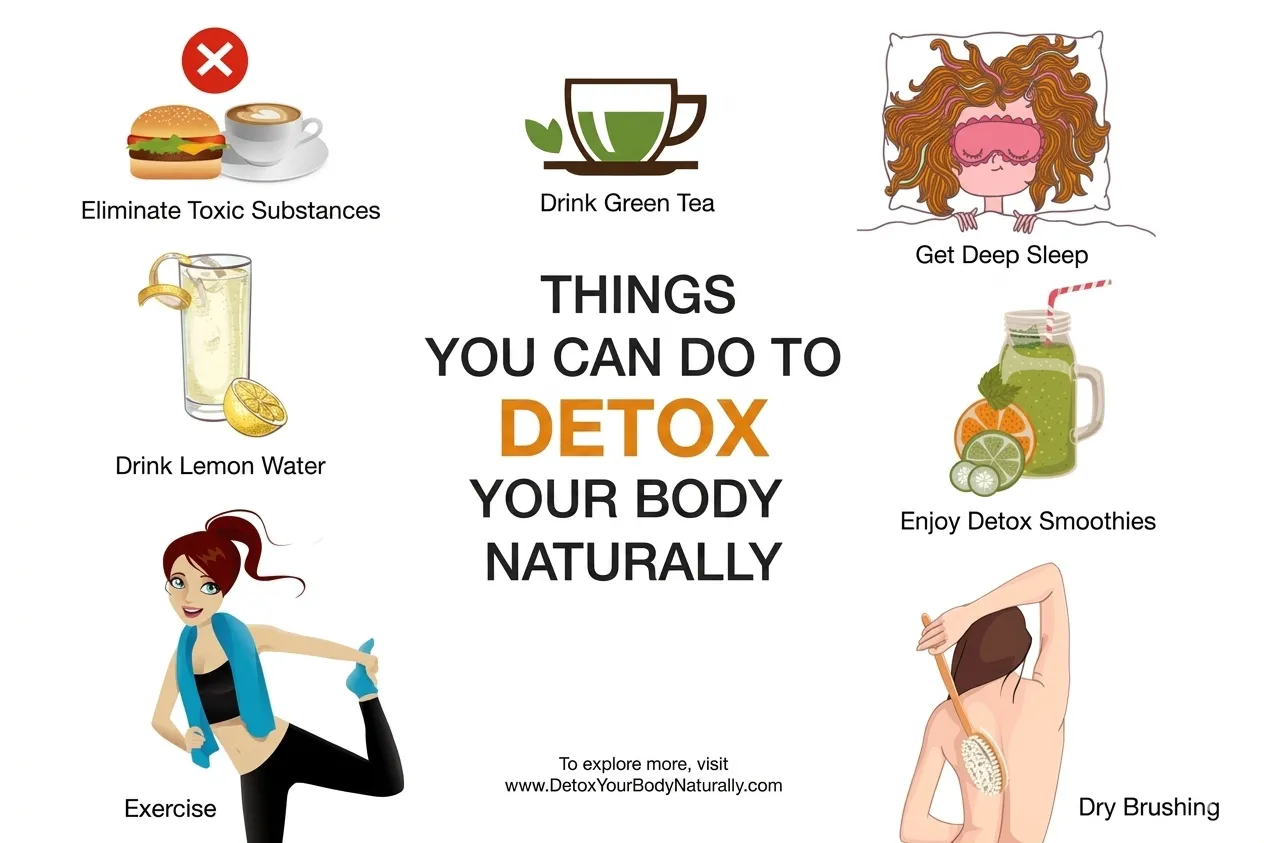
- Stay hydrated: Drink enough water to support kidney function
- Eat whole foods: Prioritize fruits, vegetables, and lean proteins
- Exercise regularly: Promote circulation and sweating
- Sleep well: Allow your body to repair and reset
Lifestyle Adjustments
- Limit alcohol and tobacco
- Reduce sugar and artificial sweeteners
- Avoid environmental toxins (e.g., plastics, chemicals)
- Choose organic foods when possible
Additional Supportive Practices
- Practice deep breathing exercises
- Try yoga or gentle stretching
- Use spices like ginger, garlic, and turmeric
- Maintain balanced portion sizes
These small actions can significantly improve your body’s natural detox efficiency over time.
Conclusion
Detoxing doesn’t require extreme diets, expensive supplements, or trendy cleanses. Your body is already equipped with powerful systems designed to eliminate toxins effectively.
The real key to detoxification lies in supporting your body through healthy, sustainable habits—not quick fixes.
By focusing on proper nutrition, hydration, exercise, and reducing toxin exposure, you can improve your overall health and well-being without falling for detox myths.
Remember: the most effective detox is the one your body is naturally designed to perform.