

The Benefits of Journaling for Mental Health
Introduction
In an increasingly busy and stressful world, maintaining good mental health has become more important than ever. While therapy, exercise, and mindfulness practices are widely recommended, one simple yet highly effective tool often gets overlooked: journaling.
Journaling for mental health is a powerful habit that helps reduce anxiety, improve emotional clarity, and strengthen overall well-being. By writing down your thoughts and feelings, you create a safe space to process emotions, reflect on experiences, and gain valuable insights into your inner world.
In this comprehensive guide, we’ll explore why journaling is good for the mind, how it improves mental health, different journaling techniques, and practical steps to get started.
Why Journaling Is Good for the Mind
Writing regularly does more than just document your day—it actively enhances brain function. Research shows that journaling helps the brain process information more effectively, improving focus, clarity, and cognitive performance.
When you put your thoughts into words:
- Your mind becomes more organized
- You gain better control over your emotions
- You reduce mental clutter and confusion
Studies also reveal that expressive writing can create measurable changes in the brain, helping individuals better regulate emotions and reduce overthinking. By translating thoughts into written form, you create distance from them—making it easier to analyze and manage them objectively.
How Journaling Improves Mental Health
Journaling offers a wide range of psychological and physical benefits. It’s not just about emotional release—it’s about transformation.
1. Enhances Emotional Processing
Writing allows you to express your feelings freely without fear of judgment. This helps:
- Reduce emotional intensity
- Increase self-understanding
- Create a sense of relief
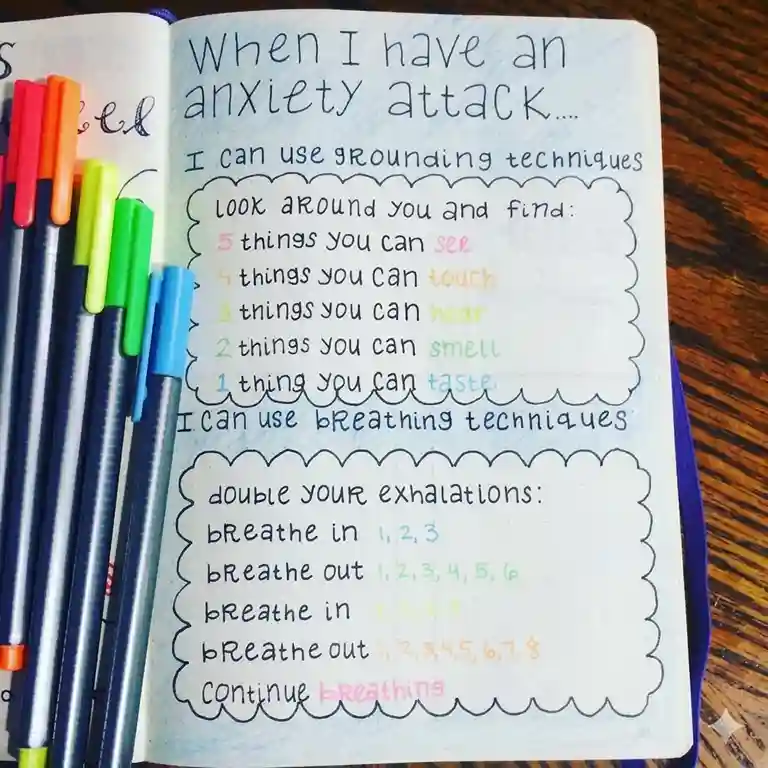
2. Reduces Anxiety and Stress
Journaling is proven to lower anxiety levels by helping you release pent-up thoughts instead of suppressing them. It also:
- Reduces mental distress
- Breaks cycles of overthinking
- Promotes calmness and clarity
3. Improves Self-Awareness
When you write consistently, patterns in your thoughts and behaviors become clearer. This allows you to:
- Identify emotional triggers
- Understand reactions
- Build healthier coping strategies
4. Boosts Problem-Solving Skills
Writing things down helps you see situations more objectively. By clearing mental space, journaling enables:
- Better decision-making
- Increased focus
- More effective solutions
5. Supports Physical Health
Surprisingly, journaling can also improve physical well-being. Studies suggest that it may:
- Strengthen immune function
- Reduce stress-related symptoms
- Support overall health
Types of Journaling for Mental Health
One of the best things about journaling is its flexibility. You can choose a style that fits your personality and emotional needs.
1. Expressive Writing
This method involves writing about deep emotions, especially during difficult or stressful experiences. It helps you:
- Process trauma
- Release emotional tension
- Gain clarity and perspective
2. Gratitude Journaling
Gratitude journaling focuses on writing down things you appreciate each day. Benefits include:
- Increased happiness
- Reduced stress
- Better sleep quality
This practice trains your brain to focus on positivity instead of problems.
3. Reflective Journaling
Reflective journaling encourages deeper thinking about your experiences. It helps:
- Improve self-awareness
- Enhance learning and growth
- Develop better decision-making skills
4. Visual Journaling
If writing isn’t your style, visual journaling uses drawings, sketches, or creative expression. It’s especially helpful for:
- Reducing stress
- Expressing emotions non-verbally
- Enhancing creativity
5. Other Effective Techniques
You can also explore:
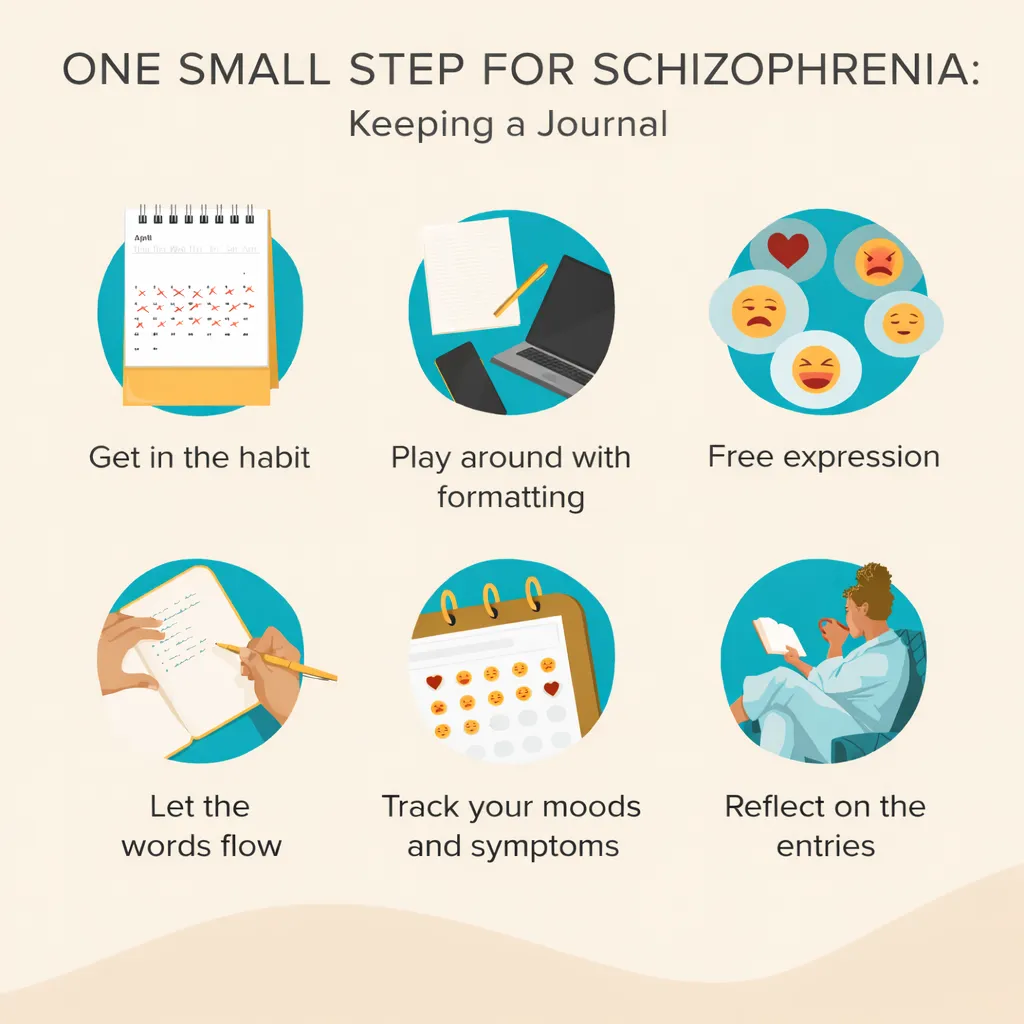
- Mood tracking to identify emotional patterns
- Bullet journaling for organization and productivity
- Unsent letters to process complex relationships
A Simple Habit with Big Benefits
Journaling is one of the easiest habits to start—and one of the most powerful.
You don’t need special tools or training. Just a notebook, a pen, and a few minutes each day can make a meaningful difference.
Research shows that writing for 15–20 minutes several times a week can:
- Reduce anxiety
- Lower stress levels
- Improve emotional well-being within a month
Additional benefits include:
- Fewer stress-related health issues
- Better mood regulation
- Increased resilience to challenges
Journaling is also highly cost-effective compared to other mental health interventions, making it accessible to almost everyone.
How to Start Journaling for Mental Health
Getting started is simple:
- Choose a notebook or digital app
- Set a consistent time each day
- Write freely without worrying about grammar
- Focus on your thoughts, feelings, or daily experiences
- Stay consistent—even short entries matter
Tips for Effective Journaling
To get the most out of your journaling practice:
- Be honest—this is your safe space
- Don’t aim for perfection
- Write regularly
- Review past entries to track progress
- Focus on expression, not structure
FAQs
Is journaling good for mental health?
Yes, journaling is highly beneficial. It helps reduce stress, improve emotional clarity, and increase self-awareness. Regular writing supports better decision-making and emotional resilience.
How do you create a self-therapy journal?
Start by:
- Writing about events that affect your mood
- Exploring your emotions and reactions
- Reflecting on alternative responses
- Setting goals and tracking progress
What should I write in a journal?
You can write about:
- Your daily experiences
- Thoughts and emotions
- Challenges and achievements
- Things you’re grateful for
Conclusion
Journaling is a simple yet transformative habit that offers powerful benefits for both mental and physical health. From reducing anxiety and stress to improving self-awareness and resilience, this practice can significantly enhance your overall well-being.
The best part? You can start today.
Just a few minutes of writing each day can help you gain clarity, process emotions, and build a healthier, more balanced mind. Over time, these small efforts can lead to meaningful and lasting change.