
The Truth About Detox Diets and Cleanses: What Science Really Says
“Detox” has become one of the most popular buzzwords in modern wellness culture. From juice cleanses and detox teas to restrictive diets promising rapid weight loss, these trends claim to flush toxins, boost energy, and rejuvenate your body.
But how much of this is actually true—and how much is just clever marketing?
In this article, we uncover the truth about detox diets and cleanses, explore what science says, and provide healthier, evidence-based alternatives for long-term well-being.
What Are Detox Diets and Cleanses?
Detox diets are short-term eating plans designed to eliminate so-called “toxins” from the body. These programs often involve:
- Fasting or extreme calorie restriction
- Consuming only juices, smoothies, or herbal teas
- Avoiding solid foods for several days
- Using supplements or colon cleanses
They claim to remove harmful substances like pollutants, chemicals, and metabolic waste while improving overall health.
The Origins of Detoxing
The idea of detoxification isn’t new. Ancient healing systems such as Ayurveda and traditional medicine practices emphasized cleansing the body to restore balance.
However, modern detox culture has evolved into a multi-billion-dollar industry, heavily promoted by influencers, celebrities, and wellness brands—often without strong scientific evidence.
Do Detox Diets Really Work?
Despite their popularity, there is little scientific evidence supporting the effectiveness of detox diets.
Many claims—such as eliminating toxins or dramatically improving health—are not backed by reliable research. While people may feel better after a cleanse, this is often due to:
- Cutting out processed foods
- Reducing sugar and alcohol intake
- Drinking more water
- Eating more fruits and vegetables
These changes—not the detox itself—are what lead to short-term improvements.
How Your Body Detoxifies Naturally
Here’s the most important fact: your body already has a built-in detox system.
Several organs work together 24/7 to remove waste and harmful substances:
- Liver: breaks down toxins
- Kidneys: filter blood and remove waste through urine
- Lungs: expel carbon dioxide
- Digestive system: eliminates waste
- Skin: releases certain compounds through sweat
If these systems fail, it becomes a serious medical condition requiring professional care—not a juice cleanse.
Why You Might Feel Better After a Detox
Many people report feeling lighter or more energized after a cleanse. This can be explained by:
1. Water Weight Loss
Rapid weight loss during detox diets is usually due to loss of water, not fat. The weight often returns once normal eating resumes.
2. Placebo Effect
Believing that a detox will improve your health can lead to temporary positive feelings and increased motivation.
3. Healthier Habits
Drinking more water, eating whole foods, and avoiding processed products naturally improve how you feel.
Potential Risks of Detox Diets
While short-term cleanses may not harm healthy individuals, extreme detox programs can pose real risks:
- Nutrient deficiencies
- Fatigue and dizziness
- Muscle loss
- Dehydration
- Digestive issues
Some detox products—especially herbal supplements—may even cause liver damage or interact with medications.
Additionally, detox culture can promote unhealthy relationships with food, leading to guilt, restriction, or disordered eating patterns.
The Truth Behind Detox Marketing
Detox products often rely on vague claims and emotional appeal rather than science. Common tactics include:
- Using terms like “cleanse” or “purify” without clear definitions
- Promoting quick fixes for complex health issues
- Leveraging celebrity endorsements and social media trends
In many cases, detox culture creates a problem—“your body is full of toxins”—and then sells you the solution.
What You Should Do Instead
If your goal is to feel healthier, you don’t need a detox diet. You need sustainable habits that support your body’s natural functions.
Evidence-Based Ways to Support Your Body:
1. Stay Hydrated
Water helps your kidneys flush out waste efficiently.
2. Eat Whole, Nutrient-Dense Foods
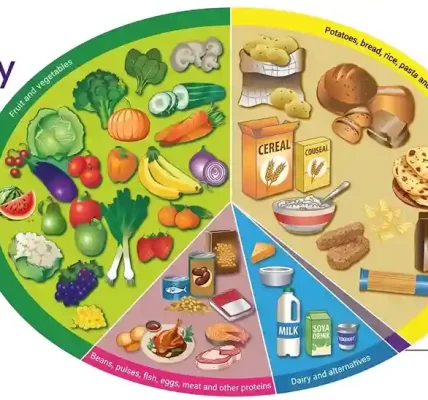
Focus on fruits, vegetables, whole grains, and lean proteins.
3. Increase Fiber Intake
Fiber supports digestion and helps eliminate waste naturally.
4. Exercise Regularly
Physical activity improves circulation and metabolism.
5. Get Quality Sleep
Your body performs essential repair processes during sleep.
6. Limit Alcohol and Processed Foods
Reduce substances that put extra strain on your liver.
The Emotional Side of Detoxing
For many people, detoxing is not just physical—it’s emotional. It often represents a “fresh start” or a way to regain control after unhealthy habits.
While this motivation can be positive, it’s important to avoid the mindset that your body is “toxic” or needs constant fixing.
Your body is already designed to protect and heal itself.
Final Thoughts: Fact vs Fiction
Detox diets and cleanses may promise quick results, but they are not miracle solutions. Most benefits come from temporary lifestyle changes—not from removing toxins.
The real path to better health is simple and sustainable:
- Eat balanced, whole foods
- Stay active
- Sleep well
- Manage stress
- Be consistent
The best detox isn’t a product—it’s a healthy lifestyle.