


Morning Routine for Busy People: Simple Yet Effective
In today’s fast-paced world, creating a morning routine for busy people isn’t about perfection—it’s about taking control. Many professionals struggle not because they lack discipline, but because their mornings are reactive rather than intentional.
If your day starts with checking emails, scrolling through messages, or rushing into tasks, you’re already reacting to external demands. This often leads to stress, poor focus, and mental fatigue.
The solution? Build a simple, effective morning routine that helps you take charge before the world does.
Why Most Morning Routines Fail

The biggest mistake busy people make is starting their day in reaction mode.
Common habits like:
- Checking your phone immediately
- Reading emails first thing
- Responding to messages
These behaviors train your brain to react instead of think proactively. As a result, you may experience:
- Early mental overload
- Difficulty prioritizing tasks
- Increased stress levels
A successful morning routine shifts you from reaction to intention.
The Simple Framework That Actually Works
Forget long, complicated routines. Instead, focus on this 3-step control framework:
- Stabilize your mind and body
- Reduce unnecessary decisions
- Define your direction before action
This flexible approach works even with tight schedules and unpredictable days.
1. Start by Stabilizing Your Mind
When you wake up, your brain isn’t fully alert yet. Jumping straight into tasks can increase stress and reduce clarity.
Instead, create a short buffer:
- Sit quietly for 2–3 minutes
- Focus on slow breathing
- Avoid external distractions
This simple habit helps your brain transition smoothly into the day and improves focus.
2. Delay Input to Increase Output
One of the most powerful habits you can build is delaying information intake.
Avoid for the first 20–30 minutes:
- Emails
- Social media
- News
- Messages
Why? Because early input hijacks your priorities and reduces your ability to think clearly.
Protect your mental space first—productivity will follow.
3. Eliminate Decision Fatigue Early
Every small decision drains your mental energy. By reducing morning decisions, you preserve focus for what truly matters.
Try this:
- Choose your outfit the night before
- Stick to simple breakfast options
- Follow a consistent routine
Less decision-making = more mental clarity.
4. Focus on One Key Outcome
Instead of overwhelming yourself with a long to-do list, ask:
“What is the one thing I must accomplish today?”
This strategy helps you:
- Stay focused
- Reduce stress
- Improve execution
Busy people often struggle not because they do too little—but because they try to do too much without direction.
5. Use Time Compression for Efficiency
You don’t need more time—you need better structure.
Apply time limits:
- 10 minutes for planning
- 5 minutes for mental reset
- Keep your routine short and focused
Constraints force efficiency and prevent wasted time.
6. Activate Your Energy (Without Long Workouts)
You don’t need a full workout in the morning. Instead, focus on light activation:
- Stretching
- Walking briefly
- Gentle movement
This helps:
- Increase blood flow
- Boost alertness
- Wake up your body naturally
Even a few minutes can make a big difference.
7. Hydrate Immediately
After hours of sleep, your body is naturally dehydrated.
Start your day with a glass of water to:
- Boost energy levels
- Support brain function
- Improve overall performance
Hydration is one of the simplest yet most effective habits for a productive morning.
8. Build Momentum, Not Motivation
Motivation is unreliable. Momentum is what keeps you going.
Focus on small, immediate actions:
- Get out of bed right away
- Drink water
- Start your first task quickly
Small wins create momentum—and momentum drives productivity.
9. Have a Backup Routine for Low-Energy Days
Not every morning will be perfect. That’s why you need a minimum version of your routine:
- 1 minute of breathing
- 1 minute of planning
- 1 priority task
Even on difficult days, consistency matters more than intensity.
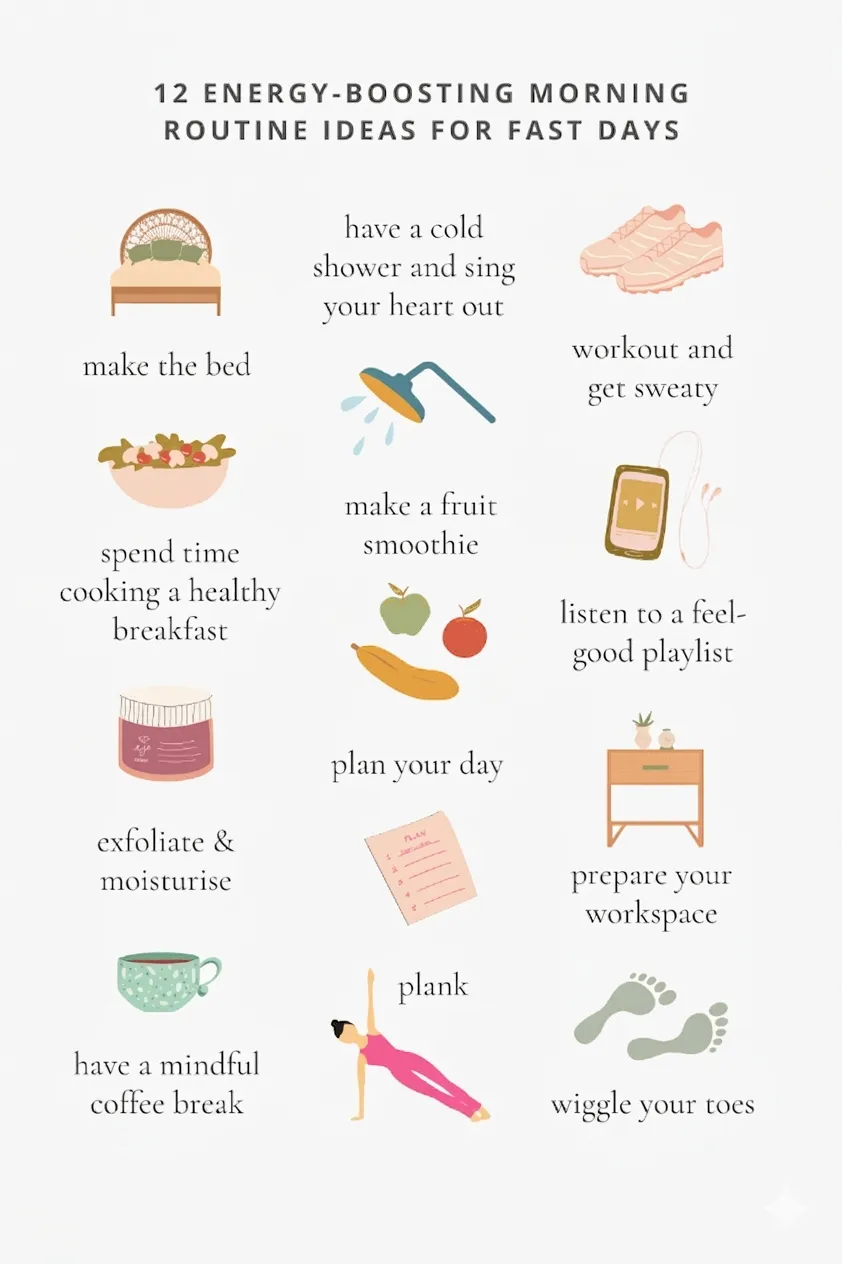
10. Avoid Common Morning Mistakes
To make your routine effective, avoid these pitfalls:
- Starting the day with emails
- Overcomplicating your routine
- Trying to be perfect
- Skipping planning
- Constantly changing your routine
Remember: Consistency beats complexity.
A Simple Morning Routine You Can Follow
Here’s a practical routine for busy people:
- Wake up and drink water
- Sit quietly for 2–3 minutes
- Avoid your phone for 20–30 minutes
- Do light movement or stretching
- Identify your top priority for the day
- Start your first task immediately
This entire routine can take less than 30 minutes—but its impact can last all day.
Final Thoughts
A powerful morning routine for busy people doesn’t require hours of free time or strict discipline. It’s built on clarity, control, and consistency.
By stabilizing your mind, reducing decisions, delaying distractions, and focusing on what truly matters, you can transform how your day begins—and ultimately how successful it becomes.
Start simple. Stay consistent. Adjust as needed.
Over time, this routine becomes automatic—giving you a strong foundation for productivity, focus, and long-term success.