
A Healthy Lifestyle Starts with Nutrition
A healthy lifestyle begins with one essential foundation: nutrition. What we eat every day directly impacts our energy levels, physical health, and long-term well-being. According to global health experts, poor dietary habits are one of the leading causes of serious health conditions worldwide. By making informed food choices, we can significantly reduce the risk of disease and improve overall quality of life.
Why Nutrition Matters More Than Ever
Noncommunicable diseases (NCDs)—including heart disease, diabetes, cancer, and chronic respiratory illnesses—are now the leading cause of death globally. These conditions account for more than 80% of deaths in many regions and are strongly linked to:
- Unhealthy diets
- Excess body weight
- High salt, sugar, and fat intake
- Alcohol consumption
For example, excessive salt intake can increase blood pressure, leading to heart attacks and strokes. Similarly, diets high in free sugars and unhealthy fats contribute to obesity, which is a major risk factor for chronic diseases.
Even more concerning, 25% of children and 60% of adults are overweight or obese in many parts of the world, highlighting the urgent need for better nutritional habits.
The Importance of a Balanced Diet
A balanced and nutritious diet helps prevent malnutrition and protects against a wide range of chronic diseases. While dietary needs vary depending on age, lifestyle, and culture, the core principles of healthy eating remain consistent.
Key Benefits of Healthy Eating:
- Supports strong immunity
- Maintains a healthy body weight
- Reduces the risk of chronic diseases
- Improves mental and physical performance
- Promotes long-term well-being
Essential Guidelines for Healthy Nutrition
Following simple daily habits can make a big difference. Here are key recommendations for a healthy diet:
1. Eat a Variety of Foods
Include a wide range of:
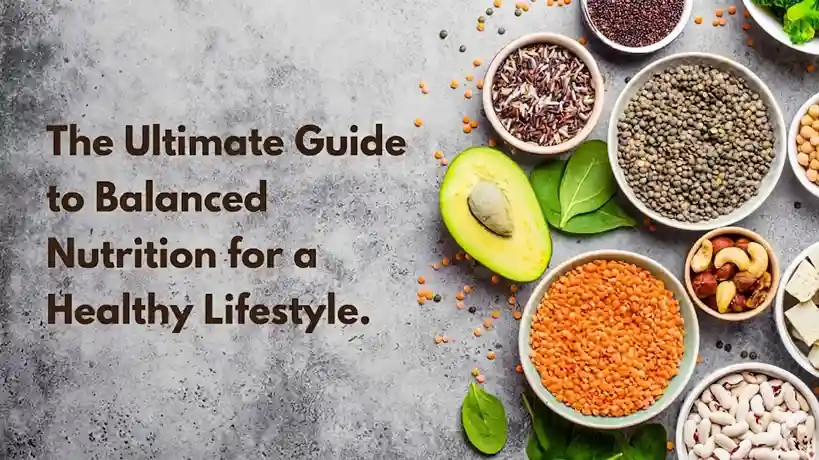
- Fruits and vegetables
- Whole grains
- Legumes and nuts
Aim for at least 400 grams (5 portions) of fruits and vegetables per day.
2. Limit Sugar Intake
Free sugars should make up less than 10% of daily energy intake, ideally below 5%. High sugar consumption can lead to weight gain and increase the risk of diabetes.
3. Choose Healthy Fats
- Keep total fat intake below 30% of daily energy
- Avoid trans fats
- Limit saturated fats found in butter, fatty meats, and processed foods
- Replace with healthier fats from fish, nuts, and plant-based oils
4. Reduce Salt Consumption
Limit salt intake to less than 5 grams per day. Excess salt is a major cause of high blood pressure and cardiovascular disease.
Nutrition Across Different Life Stages
Infants and Children
- Exclusive breastfeeding is recommended for the first 6 months
- Introduce safe and nutritious complementary foods after 6 months
- Continue breastfeeding up to 2 years or beyond
Pregnant and Breastfeeding Women
A nutritious diet is essential to support both maternal health and the baby’s development.
Older Adults
Healthy eating and regular physical activity help maintain:
- Mobility
- Independence
- Overall quality of life
Maintaining a Healthy Body Weight
A key indicator of healthy weight is the Body Mass Index (BMI). The recommended BMI range for adults is:
- 18.5 – 24.9: Normal weight
- 25 – 29.9: Overweight
- 30 and above: Obesity
BMI is calculated using the formula:
Weight (kg) ÷ Height² (m²)
Maintaining a healthy BMI reduces the risk of serious conditions such as heart disease, diabetes, and certain cancers.
The Impact of Alcohol on Health
Alcohol consumption is linked to over 200 health conditions, including liver disease, cancer, and cardiovascular issues. The risk increases with the amount consumed, meaning:
The less alcohol you drink, the better—none is best.
Reducing or eliminating alcohol intake is a powerful step toward better health.

Building a Healthier Future Through Nutrition
Improving nutrition is not just an individual responsibility—it requires collective action. Health organizations worldwide are promoting:
- Healthier food environments
- Clear nutrition labeling
- Public awareness campaigns
- Policies to reduce harmful ingredients in food
These efforts aim to make healthy choices more accessible and reduce the global burden of chronic diseases.
Final Thoughts
A healthy lifestyle doesn’t start with extreme diets or quick fixes—it starts with consistent, balanced nutrition. By making small but meaningful changes to your daily eating habits, you can protect your health, boost your energy, and prevent long-term diseases.
Remember: Every healthy choice you make today is an investment in a better tomorrow.