

Sustainable Eating: How to Make Eco-Friendly Food Choices
In an era where climate change and environmental issues are becoming increasingly urgent, sustainable eating is no longer just a trend—it’s a necessity. The way we produce, consume, and waste food has a direct impact on the planet. By making eco-friendly food choices, you can protect the environment while improving your overall health.
This guide will walk you through what sustainable eating means, why it matters, and how you can easily adopt environmentally friendly food habits in your daily life.
What Is Sustainable Eating?
Sustainable eating refers to choosing foods that are produced and consumed in ways that:
- Reduce environmental impact
- Support biodiversity
- Conserve natural resources
- Promote long-term ecological balance
It includes everything from reducing food waste to embracing a plant-based diet and supporting ethical food production.

Why Sustainable Eating Matters
The global food system is one of the largest contributors to environmental damage, including:
- Greenhouse gas emissions
- Deforestation
- Water depletion
For example, livestock farming alone produces a significant share of global emissions. By shifting toward sustainable food practices, you can make a meaningful difference.
Key Benefits of Eco-Friendly Food Choices
1. Lower Carbon Footprint
Plant-based foods require fewer resources like land and water compared to animal products.
2. Protect Biodiversity
Choosing seasonal and locally grown produce helps preserve ecosystems and reduces reliance on harmful farming methods.
3. Reduce Food Waste
Mindful consumption helps cut down on waste that would otherwise end up in landfills, producing harmful methane gas.
How to Make Eco-Friendly Food Choices
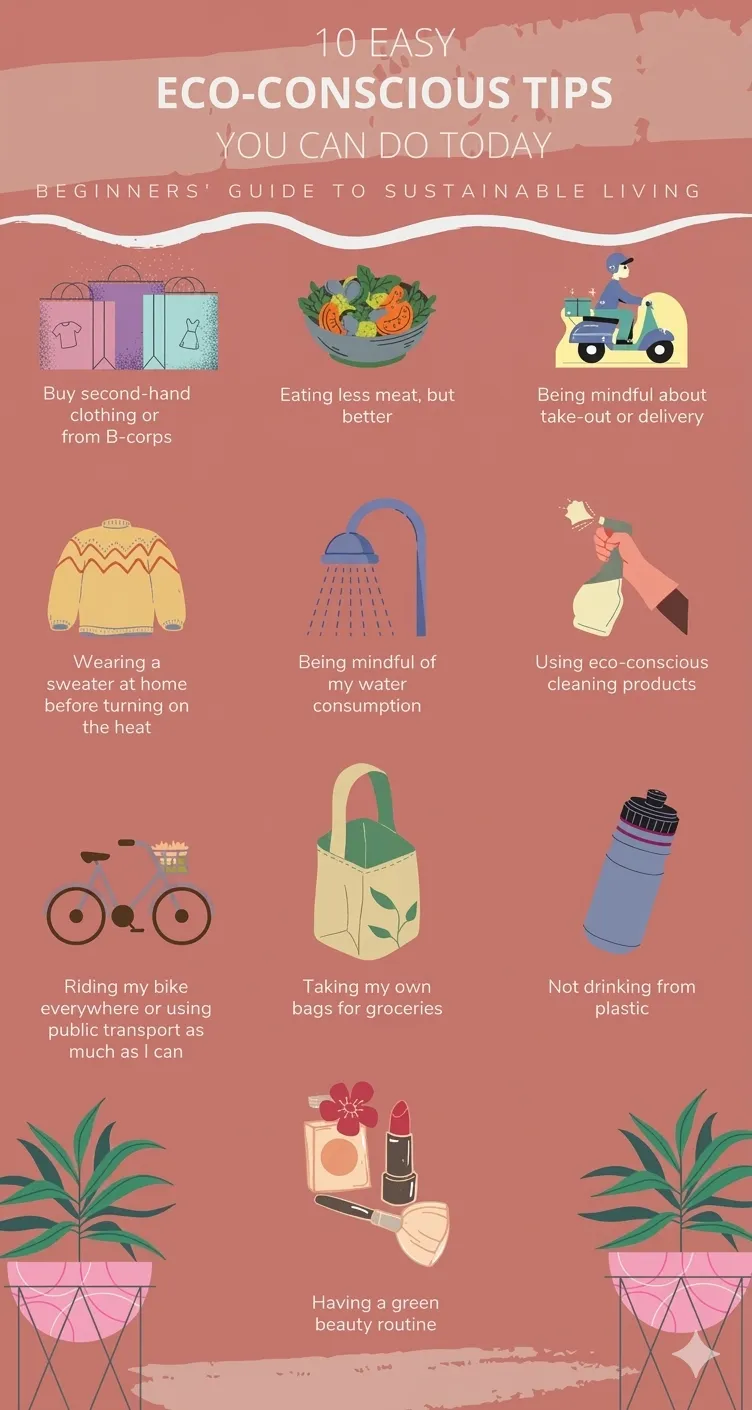
Adopting sustainable eating habits doesn’t have to be complicated. Small, consistent changes can lead to a big impact.
1. Eat More Plant-Based Foods
One of the most effective ways to reduce your environmental footprint is to incorporate more plant-based meals.
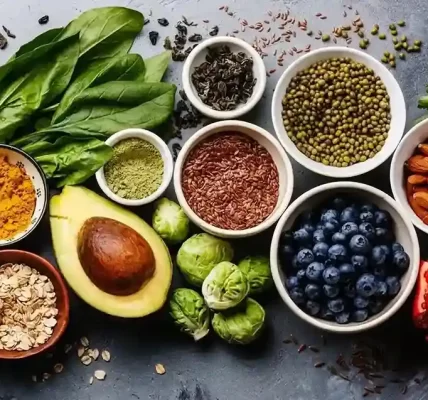
- Focus on legumes, whole grains, fruits, and vegetables
- Reduce consumption of meat and dairy
- Try simple habits like “Meatless Mondays”
Tip: Replace beef with lentils or beans in your favorite recipes for a lower-impact alternative.
2. Choose Local and Seasonal Produce
Buying local and seasonal food reduces transportation emissions and supports local farmers.
- Fresher and more nutritious
- Lower environmental impact
- Supports community agriculture
Tip: Visit farmers’ markets or join a community-supported agriculture (CSA) program.
3. Minimize Food Waste
Food waste is a major environmental issue—but it’s also preventable.
- Plan meals ahead of time
- Store food properly
- Repurpose leftovers creatively
Tip: Use vegetable scraps to make homemade broth or compost organic waste.
4. Reduce Packaging Waste
Packaging—especially plastic—contributes significantly to environmental pollution.
- Choose products with minimal or recyclable packaging
- Buy in bulk when possible
- Use reusable shopping bags
Tip: Look for labels like “biodegradable” or “compostable” when shopping.
5. Support Ethical and Sustainable Brands
Not all food brands follow sustainable practices. Supporting the right companies can drive positive change.
- Look for certifications such as Organic, Fair Trade, or Rainforest Alliance
- Support small, local businesses
- Research brand values and sourcing practices
Benefits of Sustainable Eating for Your Health
Sustainable eating doesn’t just help the planet—it also benefits your body.
Health Advantages:
- Higher intake of nutrients and fiber
- Improved digestion and overall wellness
- Reduced risk of chronic diseases
Lifestyle Benefits:
- Saves money through reduced waste
- Encourages mindful eating habits
- Builds stronger community connections
Overcoming Common Challenges
Transitioning to sustainable eating may seem difficult at first, but these tips can help:
Cost Concerns
- Buy seasonal produce
- Purchase grains and legumes in bulk
Limited Time
- Meal prep once a week
- Keep simple, quick recipes on hand
Availability Issues
- Focus on reducing waste and eating more plant-based foods when local options are limited
Start Your Sustainable Eating Journey Today
Sustainable eating is one of the most powerful ways to protect the environment while improving your health. By making simple changes—like eating more plant-based foods, reducing waste, and supporting ethical brands—you can create a lasting positive impact.
Remember, you don’t have to be perfect. Small, consistent steps toward eco-friendly food choices can lead to meaningful change over time.
Final Thoughts
Choosing sustainable food practices is not just about what’s on your plate—it’s about shaping a better future. Every meal is an opportunity to support your health, protect the planet, and inspire others to do the same.
Start today, start small, and make every bite count.