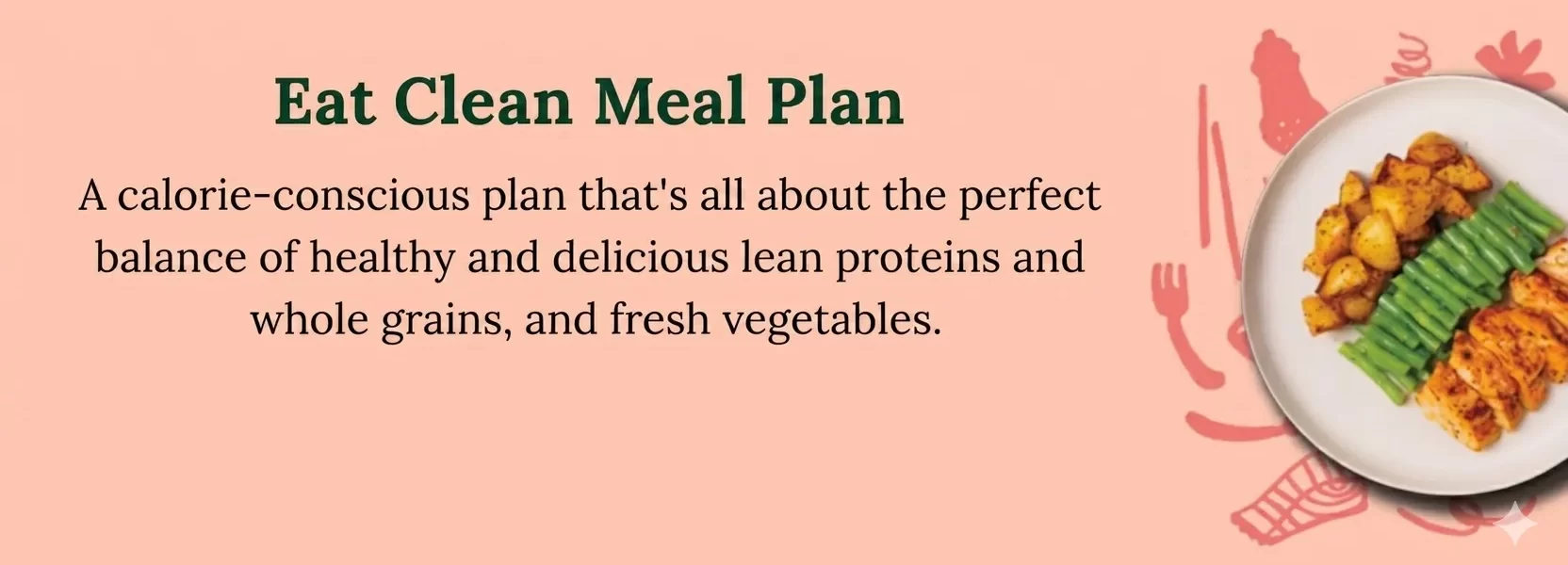

Clean Eating: What Does It Mean? A Beginner’s Guide to Healthy Living
Clean eating has become one of the most popular nutrition trends in recent years—but what does it actually mean? Is it a strict diet, or simply a healthier way to approach food?
In this guide, we’ll break down the true meaning of clean eating, explore its benefits, and show you how to start building a clean, balanced diet with simple, practical steps.
What Is Clean Eating?
At its core, clean eating means choosing foods that are as close as possible to their natural, unprocessed state. Instead of relying on packaged or heavily processed products, clean eating encourages you to:
- Prepare meals from scratch
- Choose whole, natural ingredients
- Avoid artificial additives and preservatives
In simple terms, it’s about eating real food—the way nature intended.
Why Clean Eating Matters
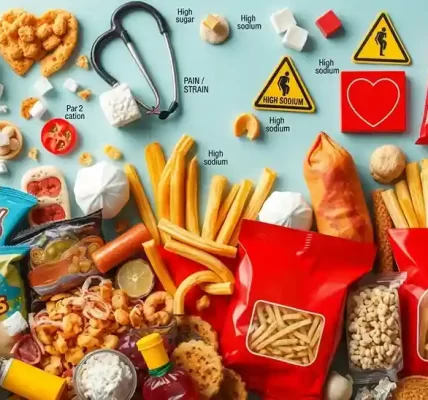
Modern diets are often filled with ultra-processed foods that contain:
- Added sugars
- Excess salt (sodium)
- Unhealthy fats
- Artificial chemicals and preservatives
These ingredients can negatively affect your health over time. Clean eating focuses on nutrient-dense foods that nourish your body and support overall well-being.
Health Benefits of Clean Eating
Adopting a clean eating lifestyle offers a wide range of benefits:
1. Improved Nutrient Intake
Whole foods are rich in essential vitamins, minerals, and antioxidants that your body needs to function properly.
2. Better Heart and Brain Health
Healthy fats and high-quality proteins support cardiovascular health and cognitive function.
3. Easier Weight Management
Eating natural, unprocessed foods helps regulate appetite and reduces overeating.
4. Stronger Immune System
Nutrient-rich foods help your body fight illness and stay resilient.
5. Increased Energy Levels
Clean foods provide steady energy without the crashes caused by sugar and processed snacks.
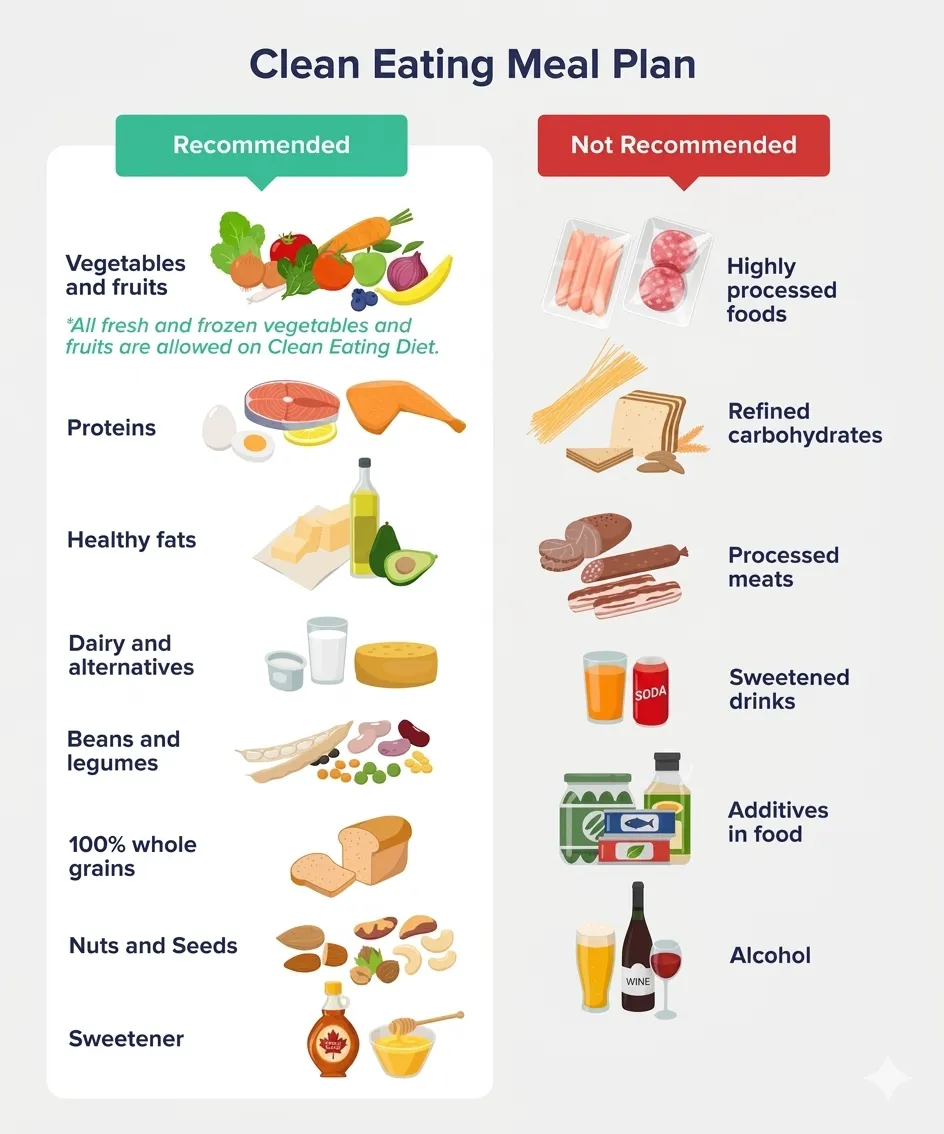
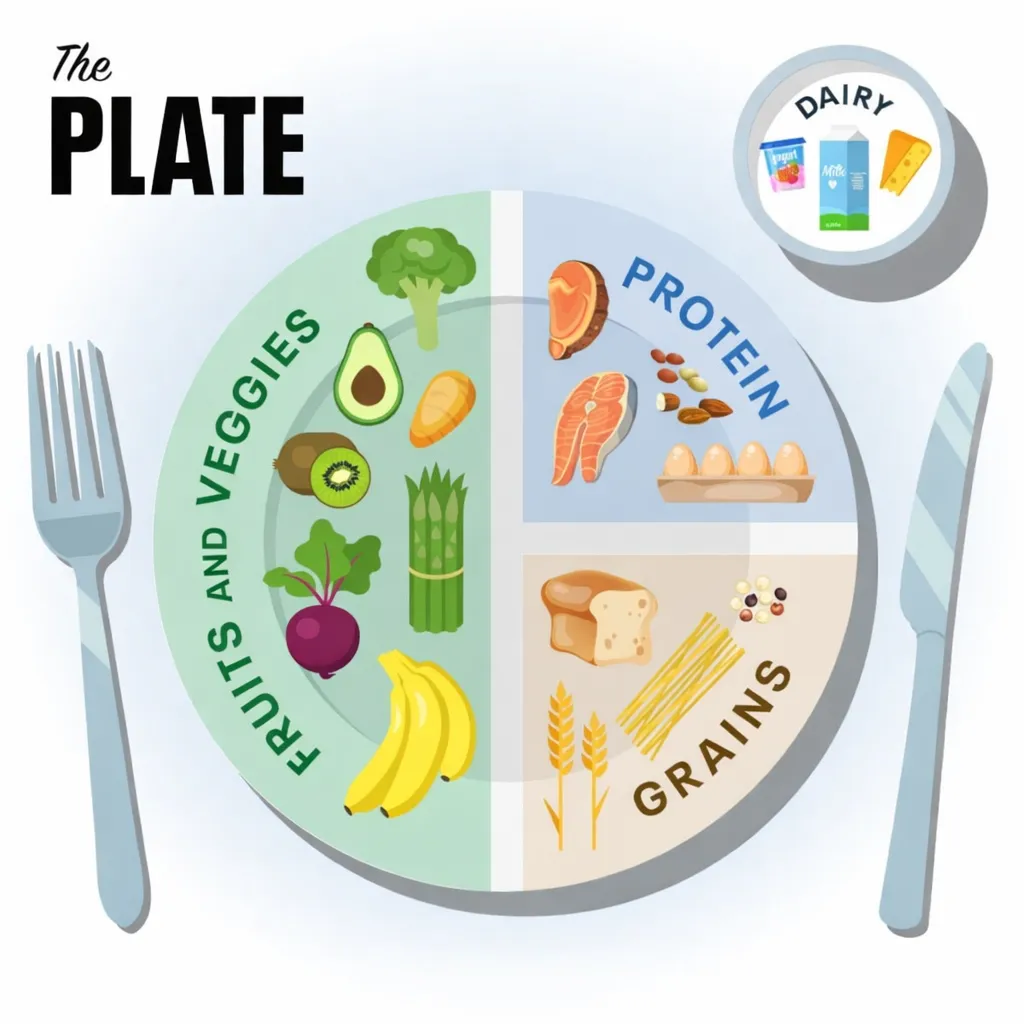
What Foods Are Included in a Clean Diet?
Clean eating doesn’t mean restriction—it’s about choosing better-quality foods across all food groups.
Fresh Fruits
- Apples, bananas, berries, oranges, grapes
- Fresh or 100% fruit juice (without added sugar)
Vegetables
- Leafy greens, broccoli, carrots, peppers
- Tomatoes, sweet potatoes, mushrooms, onions
Lean Protein Sources
- Eggs (preferably from grass-fed chickens)
- Fresh fish and poultry
- Beans, nuts, and natural nut butters (no added sugar)
Whole Grains
- Brown rice, oats, whole-wheat pasta
- Whole-grain bread and cereals
- Air-popped popcorn
Dairy and Alternatives
- Milk, cheese, plain yogurt
- Unsweetened plant-based milks
What to Avoid or Limit
Clean eating doesn’t require perfection, but it does encourage limiting:
- Highly processed foods
- Sugary drinks and desserts
- Artificial additives and food dyes
- Packaged snacks with long ingredient lists
Tip: Drinks can be a hidden source of sugar. Choose water, unsweetened tea, coffee, or sparkling water instead.
Practical Tips to Start Clean Eating
Starting a clean eating lifestyle may feel overwhelming—but small changes can make a big difference.
1. Cook More at Home
Preparing your own meals helps you control ingredients and avoid hidden additives.
2. Read Food Labels
Look for simple, recognizable ingredients. The shorter the list, the better.
3. Choose Whole Foods First
Shop the perimeter of the grocery store where fresh foods are usually located.
4. Reduce Sugar Intake
Make homemade desserts using natural sweeteners like fruit or honey.
5. Think About Food Origins
Ask yourself: Where did this food come from?
If it’s close to its natural state, it’s likely a clean choice.
Is Clean Eating Right for You?
Clean eating is flexible—it’s not about strict rules or perfection. You can adjust it based on your lifestyle, preferences, and health goals.
Even small steps—like adding more vegetables or cutting back on processed snacks—can have a meaningful impact on your health.
Final Thoughts
Clean eating is more than just a diet—it’s a long-term approach to nourishing your body with wholesome, natural foods. By focusing on quality ingredients and mindful choices, you can improve your health, boost your energy, and feel your best every day.
Remember: You don’t have to be perfect. Start small, stay consistent, and enjoy the journey toward a healthier lifestyle.