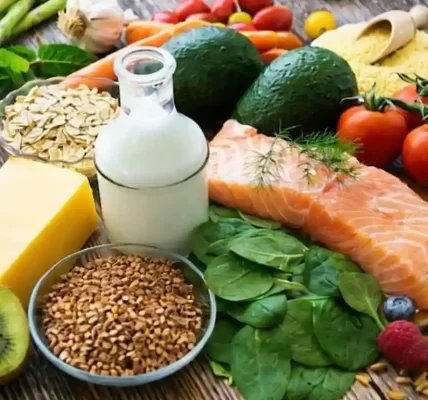


Nutrition and Beauty Care: The Science Behind Healthy, Glowing Skin
In today’s world of skincare trends and beauty products, one truth remains constant: real beauty starts from within. Nutrition plays a vital role in maintaining healthy, radiant skin, far beyond what topical treatments alone can achieve. Understanding the science behind how food affects your skin can help you build a sustainable beauty routine that delivers long-term results.
The Connection Between Nutrition and Skin Health
Your skin functions like a highly advanced biological system that depends on the right nutrients to stay strong and youthful. It continuously produces essential components such as:
- Collagen – provides firmness and elasticity
- Ceramides – protect the skin barrier
- Natural moisturizing factors – keep skin hydrated
Without proper nutrition, these processes slow down, leading to dryness, premature aging, and dullness.
The Science of Skin Nutrition
Recent scientific discoveries reveal that nutrition impacts skin health in more complex ways than previously thought.
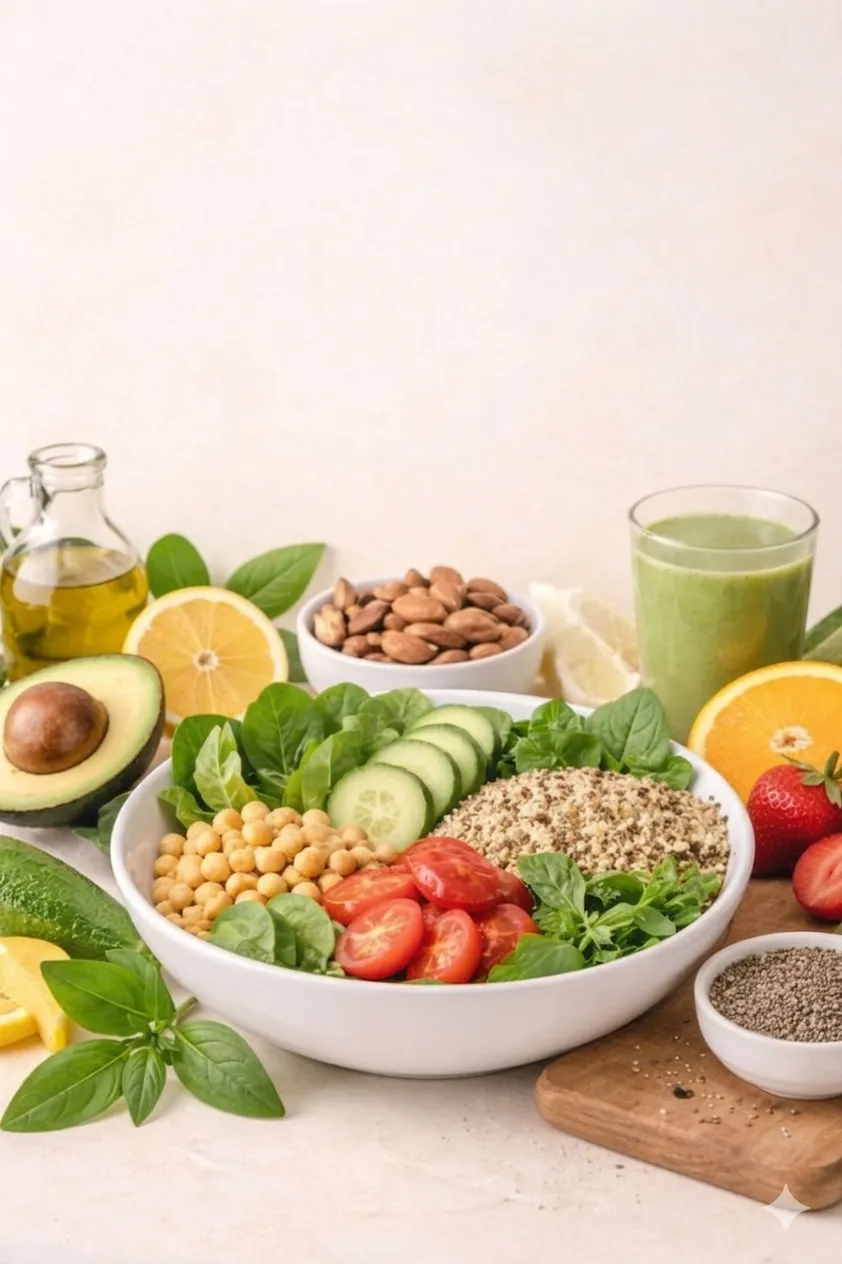
1. Nutrients and Skin Function
Certain nutrients directly influence how your skin behaves:
- Vitamin C supports collagen production
- Healthy fats repair the skin barrier
- Prebiotic fibers strengthen skin immunity
2. Timing Matters (Chrono-Nutrition)
Your skin follows a natural daily rhythm.
- Morning: focus on protection (antioxidants)
- Evening: focus on repair (proteins and healthy fats)
This approach, known as chrono-nutrition, helps maximize nutrient absorption and skin regeneration.
3. Sugar and Skin Aging
High sugar intake can damage collagen through a process called glycation, leading to wrinkles and loss of elasticity.
Building a Strong Nutritional Foundation for Your Skin
Healthy skin requires a balanced combination of nutrients working together.
Hydration: More Than Just Water
While drinking water is essential, your skin also depends on cellular hydration.
- Omega-3 fatty acids support skin cell membranes
- Vitamin B3 (niacinamide) regulates moisture balance
- Electrolyte-rich foods (like leafy greens and coconut water) improve hydration efficiency
Protein: The Building Block of Skin
Protein is essential for skin repair and renewal.
- Supports collagen and elastin production
- Best consumed throughout the day
- Pairing protein with vitamin C enhances skin repair
A protein-rich breakfast may be especially beneficial for skin regeneration.
Healthy Fats: Protect and Repair
Different fats play unique roles in skin health:
- Omega-3s: reduce inflammation
- Omega-6s: maintain moisture
- Medium-chain fats: support antimicrobial protection
A balanced intake of healthy fats helps strengthen your skin barrier and prevent dryness.
Micronutrients: Small but Powerful
Vitamins and minerals work together to maintain skin health:
- Zinc + Vitamin A: regulate oil production
- Vitamin E + Selenium: protect against oxidative stress
- Silica: improves elasticity and strength
These micronutrients act as a support system for overall skin function.
The Antioxidant Network: Your Skin’s Defense System
Antioxidants don’t work alone—they function as a powerful network.
- Vitamin C + Vitamin E enhance each other’s effects
- Lycopene (tomatoes) protects against sun damage
- Anthocyanins (berries) fight free radicals
Some antioxidants even help boost your skin’s natural protection against UV damage—though sunscreen is still essential.
Stress, Lifestyle, and Skin Nutrition
Your lifestyle directly affects how nutrients support your skin.
The Impact of Stress
Stress depletes key nutrients such as:
- Vitamin C
- B vitamins
- Magnesium
This can lead to breakouts, dullness, and sensitivity.
Natural compounds called adaptogens may help the body manage stress and improve skin resilience.
Nutrition for Long-Term Skin Health
Achieving glowing skin is not about quick fixes—it’s about consistency.
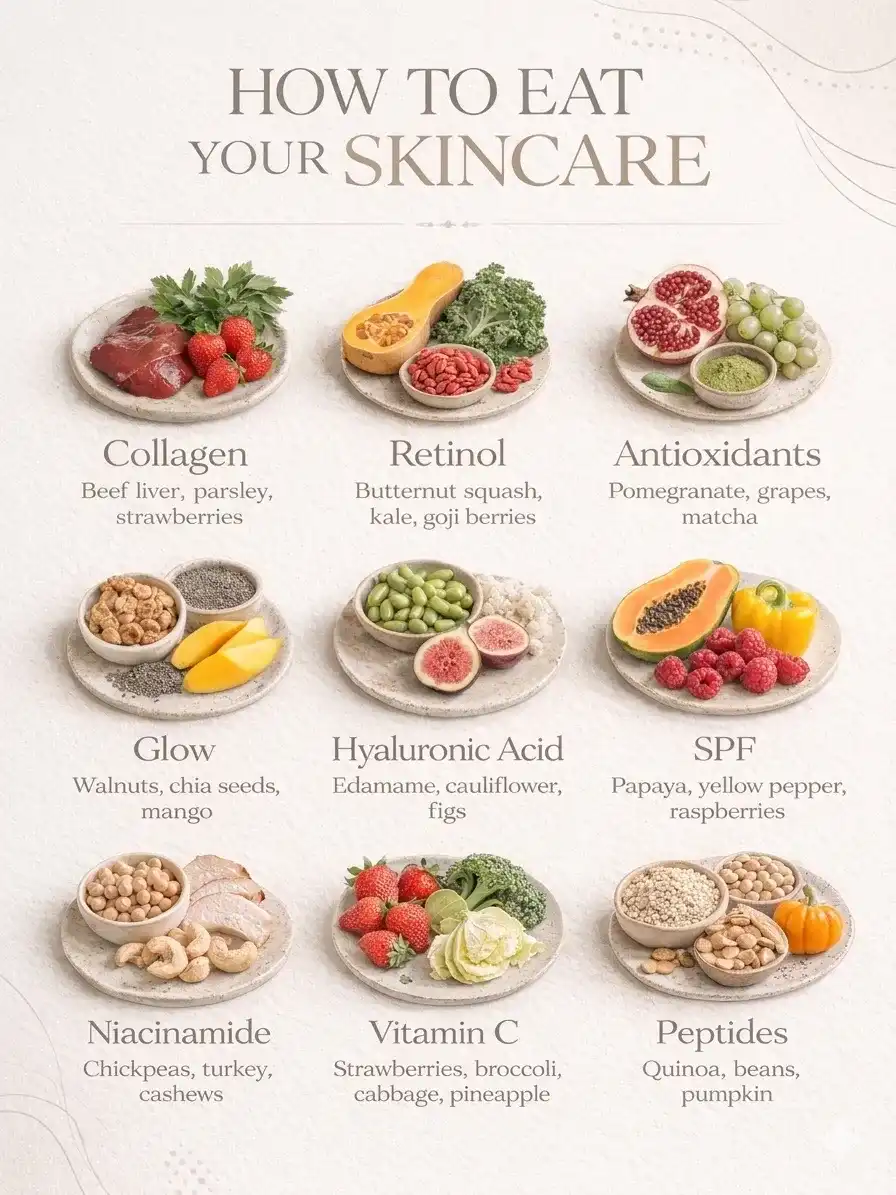
Key Habits for Healthy Skin:
- Eat a variety of whole, nutrient-dense foods
- Include colorful fruits and vegetables daily
- Consume high-quality protein regularly
- Balance healthy fats in your diet
- Stay hydrated with water and electrolyte-rich foods
- Maintain good sleep and stress management
Final Thoughts: Beauty Starts from Within
The journey to radiant skin begins with what you put on your plate. By aligning your nutrition with your body’s natural processes, you can support your skin from the inside out.
There is no one-size-fits-all solution—your skin is unique. The key is to build sustainable habits, stay consistent, and make informed choices that support both your beauty and overall health.
Remember: Glowing skin isn’t achieved overnight. It’s the result of daily nourishment, patience, and a lifestyle that prioritizes long-term well-being.