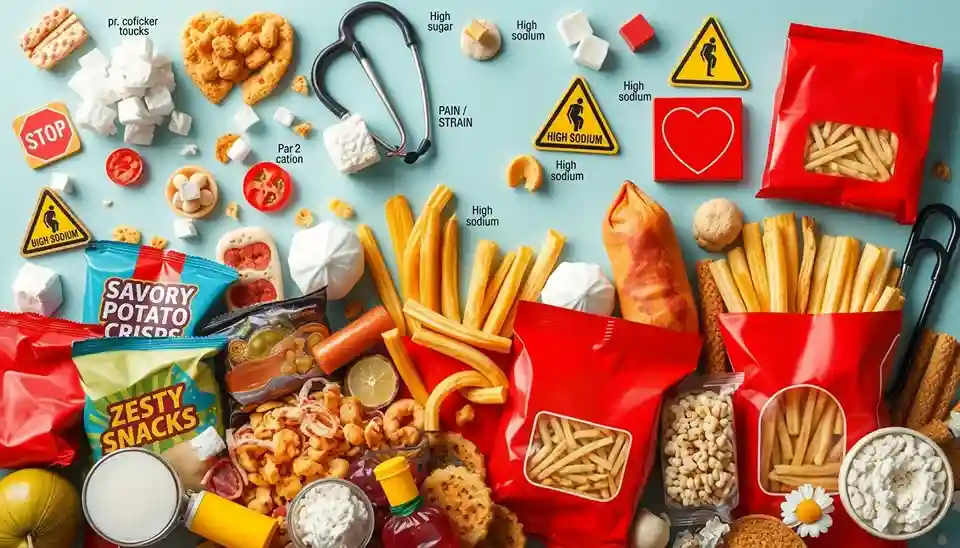
What are processed foods, and how do they affect a person’s health?

What Are Processed Foods, and How Do They Affect Your Health?
Processed foods are everywhere—from packaged snacks and sugary drinks to ready-made meals and frozen dinners. While they offer convenience, many people wonder: are processed foods bad for your health?
In this article, we’ll break down what processed foods really are, how they impact your body, and how to make healthier choices in your daily diet.
What Are Processed Foods?
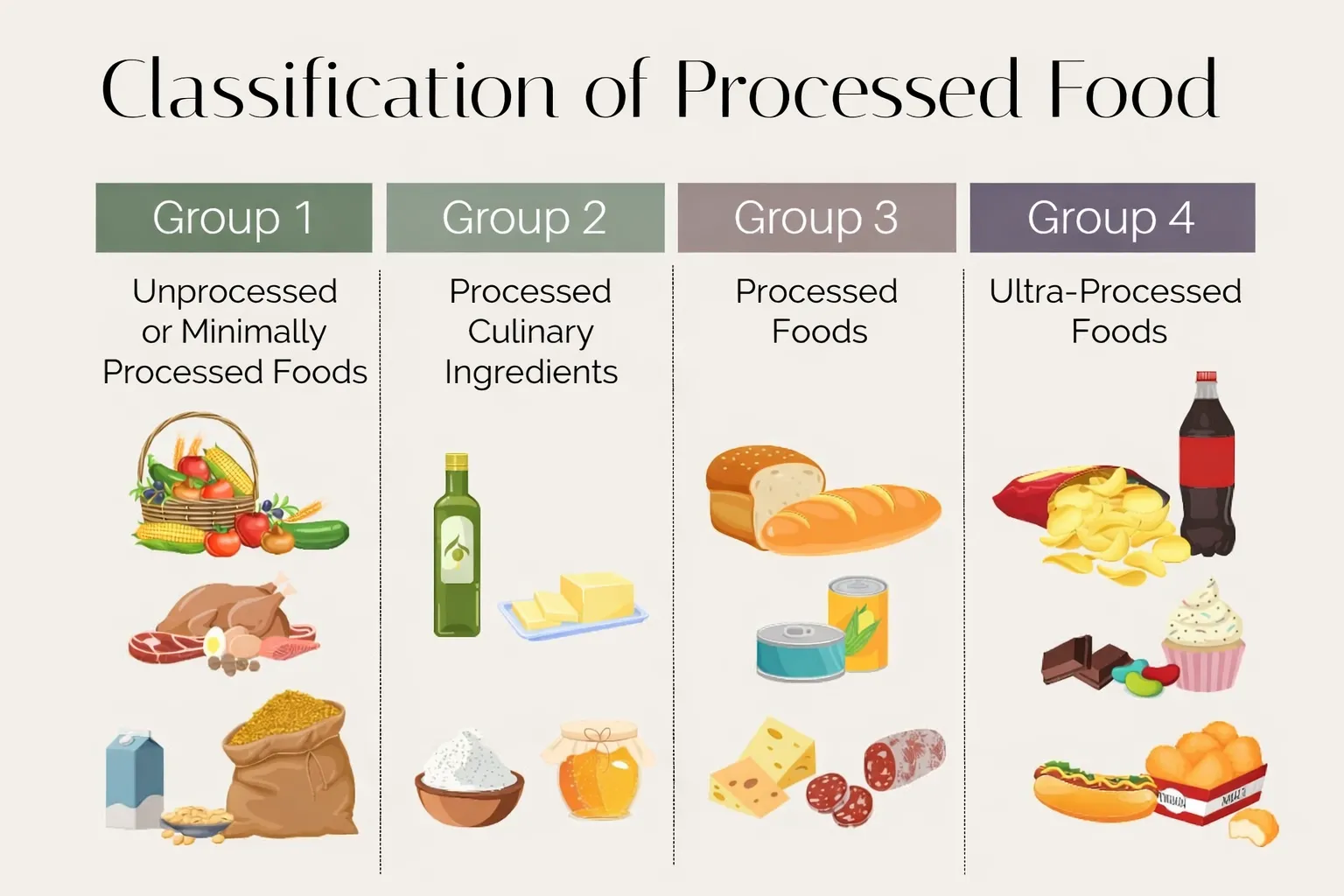
The term processed food can be confusing because most foods go through some form of processing.
Types of Food Processing:
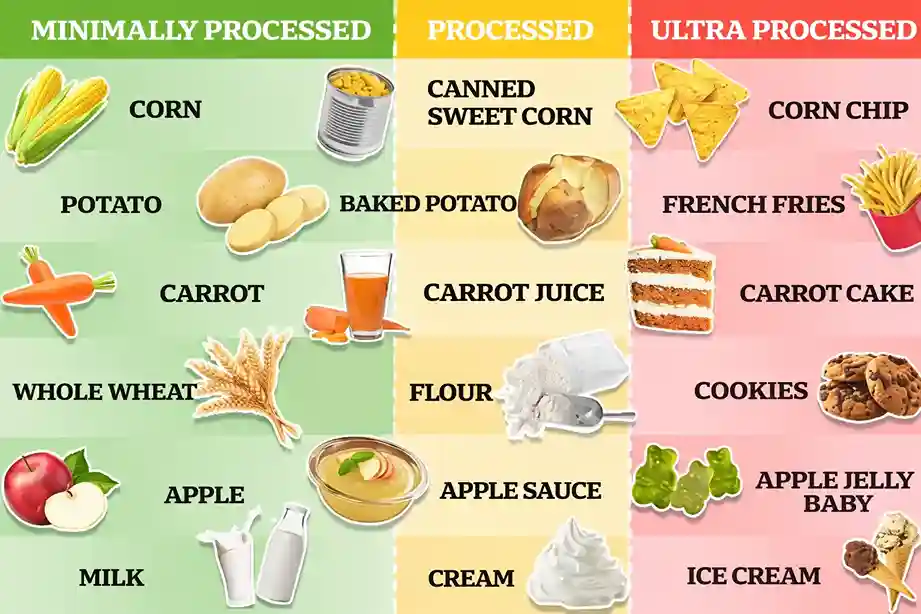
- Minimally processed foods:
Examples include washed vegetables, cut fruits, or pasteurized milk. These are generally healthy and safe. - Ultra-processed foods:
These are heavily modified products containing artificial ingredients, additives, and refined substances. They often have little nutritional value.
Common Examples of Ultra-Processed Foods:
- Packaged snacks (chips, crackers)
- Sugary cereals
- Soft drinks and sweetened beverages
- Instant noodles and soups
- Processed meats (sausages, nuggets, ham)
- Baked goods (cakes, pastries, cookies)
Are Processed Foods Bad for You?
Not all processed foods are harmful. However, ultra-processed foods can negatively affect your health—especially when consumed regularly.
Studies show that high consumption of these foods is linked to:
- Weight gain
- Increased risk of type 2 diabetes
- Heart disease and stroke
- Higher overall mortality risk
7 Ways Processed Foods Affect Your Health
1. High in Added Sugar
Ultra-processed foods often contain large amounts of added sugar, including high fructose corn syrup.
Excess sugar intake is linked to:
- Obesity
- High blood pressure
- Type 2 diabetes
- Heart disease
Sugary drinks are one of the biggest hidden sources of sugar in modern diets.
2. Loaded with Artificial Ingredients
Many processed foods contain chemicals such as:
- Preservatives
- Artificial colors
- Flavor enhancers
- Texturizing agents
These ingredients may improve taste and shelf life but offer little to no nutritional benefit.
3. Rich in Refined Carbohydrates
Refined carbs are quickly absorbed by the body, causing:
- Blood sugar spikes
- Energy crashes
- Increased cravings
Over time, this can increase the risk of insulin resistance and diabetes.
4. Low in Nutrients
Compared to whole foods, ultra-processed foods are often:
- Low in vitamins and minerals
- Lacking beneficial plant compounds
- Nutritionally imbalanced
Even when fortified, they cannot fully replace the natural nutrients found in whole foods.
5. Low in Fiber
Fiber is essential for digestion, heart health, and satiety.
Most processed foods:
- Contain little to no fiber
- Do not support gut health
- Leave you feeling less full
6. High in Calories (Easy to Overeat)
Processed foods are designed to be:
- Easy to chew and consume quickly
- Highly palatable
This makes it easy to eat more calories than your body needs, leading to weight gain.
7. Contain Unhealthy Fats
Ultra-processed foods often include trans fats and refined oils.
These fats can:
- Increase inflammation
- Raise “bad” LDL cholesterol
- Lower “good” HDL cholesterol
- Increase the risk of heart disease
Why Are Processed Foods So Popular?
Despite their downsides, processed foods remain widely consumed because they are:
- Convenient and time-saving
- Affordable
- Highly flavorful and addictive
In many countries, they account for 25% to 60% of daily calorie intake.
Healthier Alternatives to Processed Foods
Improving your diet doesn’t mean eliminating all processed foods—it’s about making better choices.
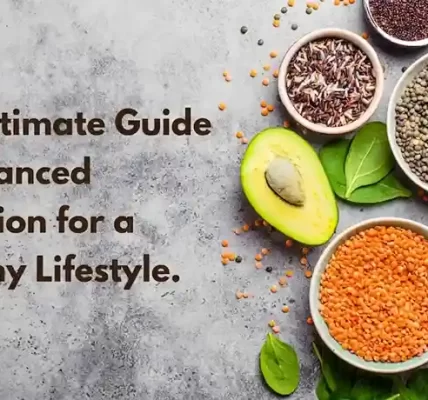
Choose More Whole Foods:
- Fresh fruits and vegetables
- Whole grains (brown rice, oats)
- Lean proteins (fish, eggs, legumes)
- Nuts and seeds
Simple Swaps:
- Replace soda with water or sparkling water
- Choose whole fruit instead of sugary snacks
- Swap white bread for whole-grain options
Tips to Reduce Processed Food Intake
- Read ingredient labels carefully
- Avoid products with long, unrecognizable ingredient lists
- Cook more meals at home
- Plan your meals in advance
- Focus on balance, not perfection
Final Thoughts
Processed foods are a part of modern life, but not all processing is harmful. The real concern lies in ultra-processed foods that are high in sugar, unhealthy fats, and artificial ingredients.
By reducing your intake of these foods and focusing on whole, nutrient-dense options, you can significantly improve your health and lower your risk of chronic diseases.
Remember: Small, consistent changes in your eating habits can lead to long-term health benefits.