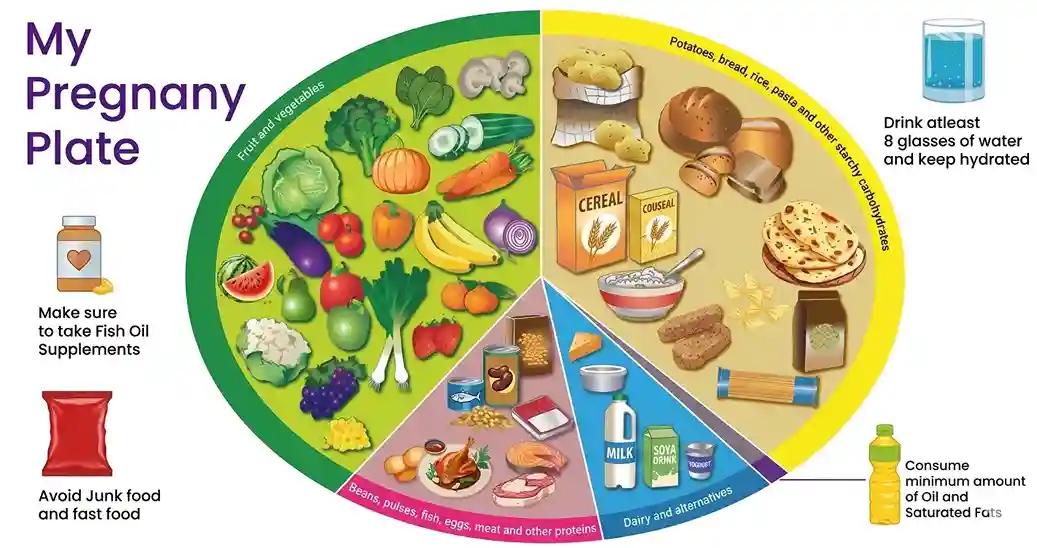

Pregnancy Diet: Focus on These Essential Nutrients for a Healthy Baby
A healthy pregnancy begins with proper nutrition. During this crucial stage, your body is not only supporting your own health but also nurturing the growth and development of your baby. That’s why following a well-balanced pregnancy diet is one of the most important steps you can take.
While general healthy eating principles still apply, certain nutrients require special attention during pregnancy. In this comprehensive guide, we’ll explore the essential nutrients for pregnant women, why they matter, and how to include them in your daily meals.
Why Nutrition Is Critical During Pregnancy
Pregnancy increases your body’s nutritional demands. You need extra vitamins, minerals, and macronutrients to:
- Support fetal growth and organ development
- Prevent birth defects and complications
- Maintain your energy levels and overall health
- Reduce the risk of deficiencies
A nutrient-rich diet not only benefits your baby but also helps you feel stronger and more energized throughout pregnancy.
1. Folate (Folic Acid): Protecting Your Baby’s Brain and Spine
Folate is a B vitamin that plays a vital role in preventing neural tube defects, which affect the baby’s brain and spinal cord.
Recommended Intake:
- Before pregnancy: 400 mcg per day
- During pregnancy: 600–1,000 mcg per day
Best Food Sources:
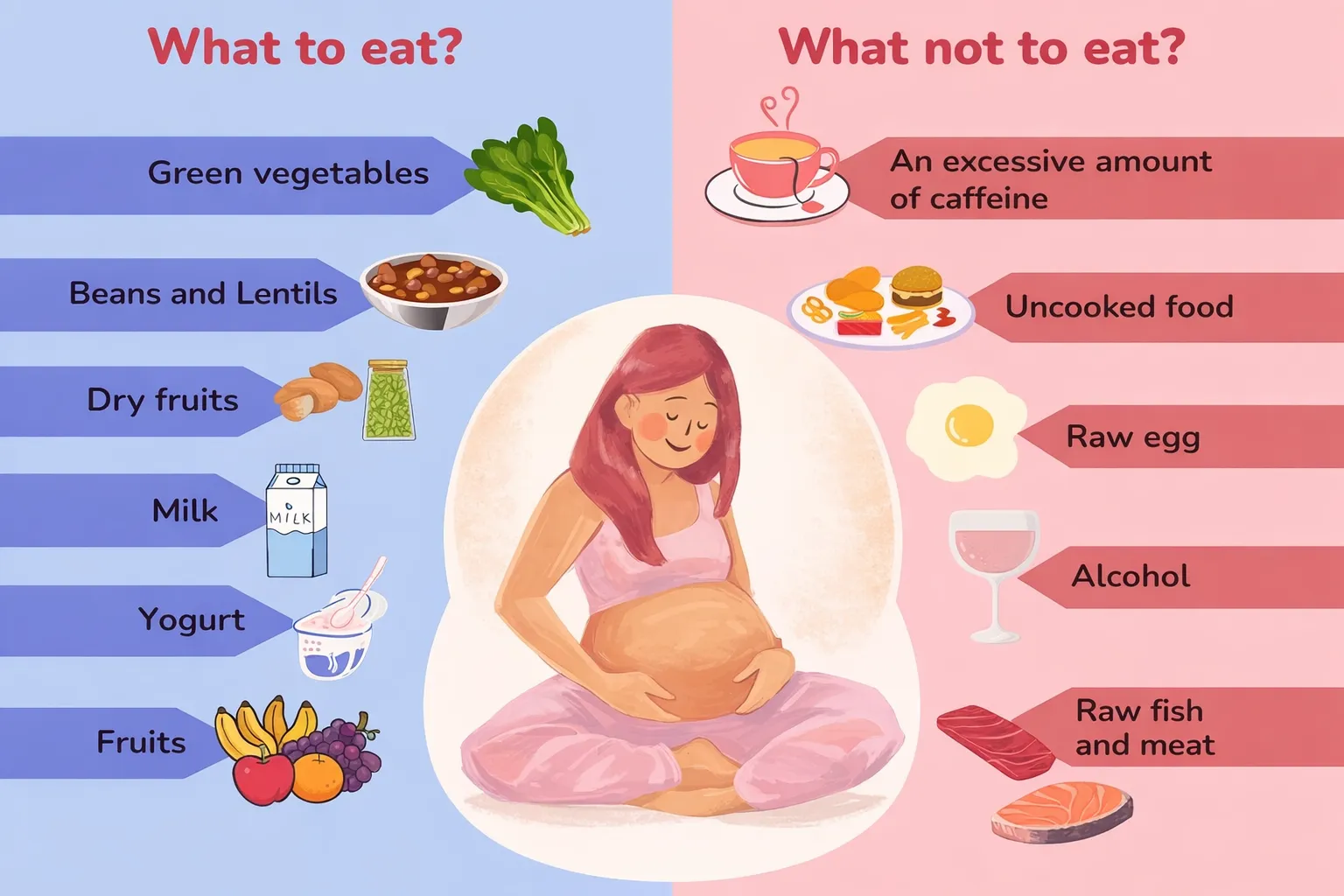
- Dark leafy greens (spinach, kale)
- Citrus fruits (oranges)
- Beans, lentils, and peas
- Fortified cereals
Folic acid (the synthetic form of folate) is commonly found in prenatal vitamins. It’s recommended to start taking it even before conception to reduce risks early on.
2. Calcium: Building Strong Bones and Teeth
Calcium is essential for developing your baby’s bones and teeth while also protecting your own bone health.
Recommended Intake:
- Adults: 1,000 mg per day
- Teen pregnancies: 1,300 mg per day
Best Food Sources:
- Milk, yogurt, and cheese
- Broccoli and kale
- Calcium-fortified juices and cereals
If your diet lacks calcium, your body may draw it from your bones—making adequate intake essential.
3. Vitamin D: Enhancing Calcium Absorption
Vitamin D works closely with calcium to support bone development and immune function.
Recommended Intake:
- 600 IU per day
Best Food Sources:
- Fatty fish (salmon, mackerel)
- Fortified milk and orange juice
- Eggs
Sunlight is also a natural source of vitamin D, but dietary intake remains important, especially for those with limited sun exposure.
4. Protein: Supporting Baby’s Growth
Protein is a key building block for your baby’s tissues, muscles, and organs.
Recommended Intake:
- About 71 grams per day
Best Food Sources:
- Lean meats and poultry
- Fish and eggs
- Beans, lentils, and soy products
- Nuts and seeds
Including protein in every meal helps ensure steady growth and development.
5. Iron: Preventing Anemia and Fatigue
Iron is essential for producing hemoglobin, which carries oxygen to both you and your baby.
Recommended Intake:
- 27 mg per day
Why It Matters:
Iron deficiency during pregnancy can lead to:
- Extreme fatigue
- Increased risk of premature birth
- Low birth weight
Best Food Sources:
- Lean red meat and poultry
- Spinach and leafy greens
- Beans and legumes
- Iron-fortified cereals
Pro Tip: Combine iron-rich foods with vitamin C (like oranges or strawberries) to improve absorption.
The Role of Prenatal Supplements
Even with a healthy diet, meeting all nutritional needs during pregnancy can be challenging. That’s why healthcare professionals often recommend:
- Prenatal vitamins
- Iron supplements (if needed)
- Vitamin D or calcium supplements
Always consult your doctor before taking any supplements, especially herbal products, as some may not be safe during pregnancy.
Simple Tips for a Balanced Pregnancy Diet
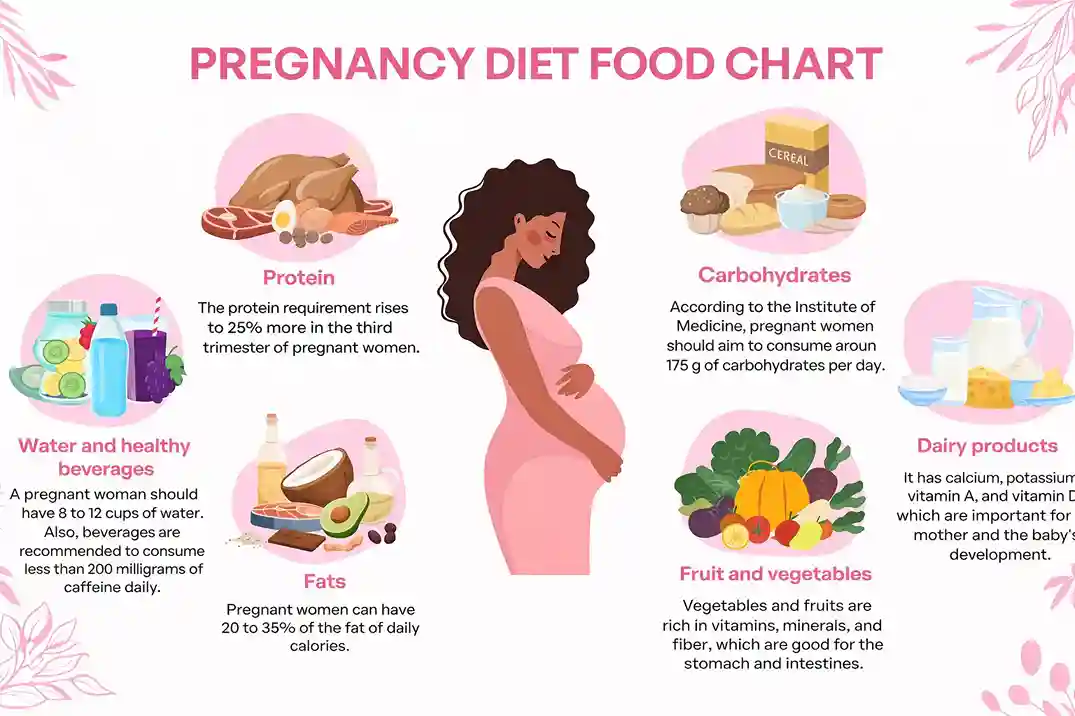
Maintaining a healthy diet doesn’t have to be complicated. Here are some practical tips:
- Eat a variety of fruits and vegetables daily
- Choose whole grains over refined carbohydrates
- Include lean protein in every meal
- Drink plenty of water to stay hydrated
- Limit processed foods and added sugars
Consistency is key—small daily habits can make a big difference over time.
Final Thoughts
A well-balanced pregnancy diet is essential for both your health and your baby’s development. By focusing on key nutrients like folate, calcium, vitamin D, protein, and iron, you can reduce risks and support a healthy pregnancy journey.
Remember, every pregnancy is unique. Work closely with your healthcare provider to tailor your nutrition plan to your specific needs.
Healthy eating today lays the foundation for your baby’s future. Start with smart choices and stay consistent for the best results.