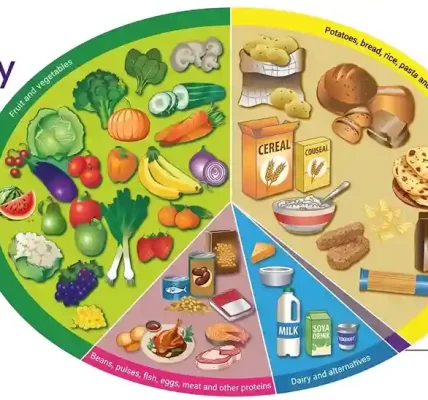


Healthy Ways to Gain Weight If You’re Underweight
Being underweight is often overlooked in a world focused on weight loss. However, maintaining a healthy weight is just as important for your overall well-being. If your body weight is too low, it can lead to nutrient deficiencies, weakened immunity, and long-term health complications.
In this guide, you’ll learn safe, effective, and healthy ways to gain weight, improve your nutrition, and support your body’s natural growth.
What Does It Mean to Be Underweight?
A common way to determine if you’re underweight is by using the Body Mass Index (BMI). BMI considers your height, weight, age, and gender to estimate whether your weight is within a healthy range.
- A BMI below 18.5 is considered underweight
- A BMI between 18.5–24.9 is considered healthy
If you suspect you’re underweight, it’s best to consult a healthcare professional for a proper evaluation.
Why Being Underweight Can Be a Problem
While some people naturally have a smaller body frame, being underweight can lead to several health risks:
- Weakened immune system – making it harder to fight infections
- Nutrient deficiencies (malnutrition) – lack of essential vitamins and minerals
- Low energy levels and fatigue
- Fragile bones – increased risk of osteoporosis
- Hormonal imbalances and fertility issues
- Hair thinning and skin problems
For children and teens, being underweight may also affect growth and development.
Healthy Ways to Gain Weight
Gaining weight the right way is about quality, not just quantity. Here are proven strategies to help you increase weight safely:
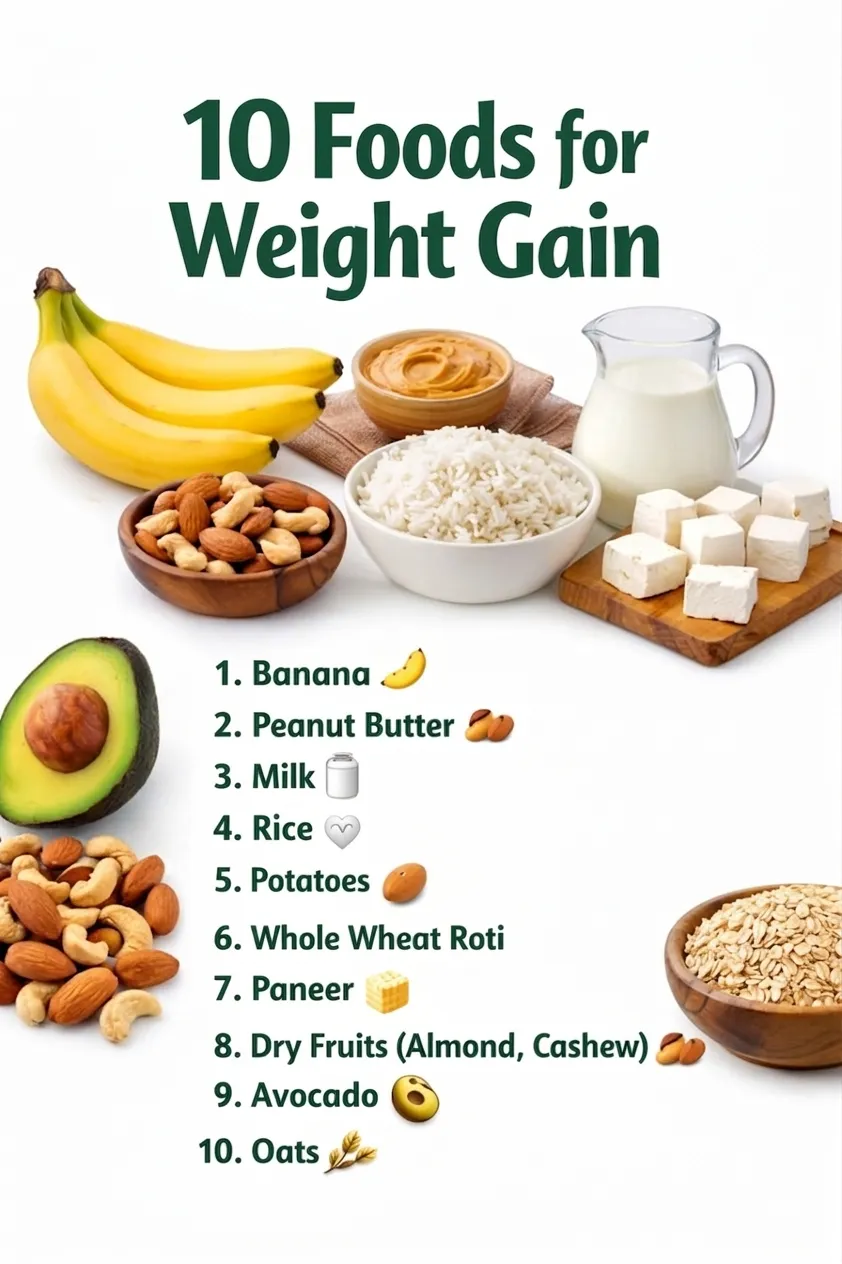
1. Increase Calories the Smart Way
Instead of overeating junk food, add healthy calories to your meals:
- Sprinkle nuts or seeds on salads and yogurt
- Add cheese to dishes
- Include whole-grain bread or toast
- Snack on dried fruits
These small additions can significantly boost your daily calorie intake.
2. Choose Nutrient-Dense Foods
Focus on foods that provide both calories and essential nutrients:
- Lean proteins: chicken, fish, eggs
- Whole grains: brown rice, oats, quinoa
- Healthy fats: avocados, nuts, olive oil
- Dairy products: milk, yogurt, cheese
This helps your body gain weight while staying healthy.
3. Snack Frequently
Snacking is a powerful way to increase calorie intake, especially if you have a low appetite.
Healthy snack ideas include:
- Trail mix (nuts + dried fruits)
- Peanut butter with crackers or toast
- Protein bars or smoothies
- Hummus with whole-grain crackers
4. Eat Smaller, More Frequent Meals
If large meals feel overwhelming, try eating 5–6 smaller meals per day. This approach helps you:
- Consume more calories without discomfort
- Maintain consistent energy levels
- Improve digestion
5. Build Muscle with Strength Training
Exercise is essential—even when trying to gain weight.
Focus on:
- Weightlifting
- Resistance training
- Yoga
Building muscle mass helps you gain healthy weight, not just body fat.
What to Avoid When Gaining Weight
It might be tempting to eat fast food and sugary snacks to gain weight quickly, but this can harm your health.
Avoid:
- Highly processed junk food
- Sugary drinks and snacks
- Excessive saturated fats
These may lead to poor nutrition and long-term health issues, even if you gain weight.
Common Causes of Being Underweight
Understanding the root cause is key to fixing the issue. Some common reasons include:
Genetics
Some people naturally have a fast metabolism or smaller appetite due to their genetic makeup.
High Physical Activity
Athletes or people with physically demanding jobs may burn more calories than they consume.
Medical Conditions
Certain illnesses can cause weight loss, such as:
- Thyroid disorders
- Diabetes
- Digestive diseases
Medications
Some medications may reduce appetite or cause nausea, leading to weight loss.
Mental Health Factors
Stress, anxiety, and depression can affect eating habits. In severe cases, they may lead to eating disorders.
When to See a Doctor
You should consult a healthcare provider if:
- You experience sudden or unexplained weight loss
- You struggle to gain weight despite eating more
- You have symptoms like fatigue, dizziness, or loss of appetite
A doctor can help identify underlying causes and guide you with a personalized plan.
Final Thoughts
Gaining weight in a healthy way takes time, consistency, and a balanced approach. Focus on nutrient-rich foods, regular meals, and strength training to support your body properly.
Remember, your goal isn’t just to gain weight—it’s to build a stronger, healthier version of yourself.