The science of slow living: How slowing down can boost your health and happiness

The Science of Slow Living: How Slowing Down Can Boost Your Health and Happiness
Updated for 2026 | A complete guide to mindful living and well-being
In today’s fast-paced world, productivity and constant busyness are often seen as signs of success. But beneath the surface, this “always-on” lifestyle is fueling stress, burnout, and declining mental health. That’s why more people are turning to a powerful alternative: slow living.
Far from being just a lifestyle trend, slow living is backed by science. Research shows that slowing down can significantly improve your mental clarity, physical health, and overall happiness.
So what exactly is slow living—and how can it transform your life?
What Is Slow Living?
Slow living is a mindful approach to life that prioritizes quality over quantity, presence over pressure, and intention over urgency. It doesn’t mean doing everything slowly or giving up ambition. Instead, it’s about aligning your daily actions with what truly matters.
At its core, slow living involves:
- Being intentional with your time and energy
- Simplifying your environment and commitments
- Focusing on meaningful relationships and experiences
- Fully engaging in the present moment
The concept originated from the “slow movement,” which began with the Slow Food movement in Italy and has since expanded into areas like travel, fashion, and work-life balance.
The Science Behind Slow Living
1. Mindfulness and Brain Function
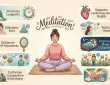
A key pillar of slow living is mindfulness—and neuroscience strongly supports its benefits. Regular mindfulness practices, such as meditation or deep focus, can:
- Increase gray matter in the brain (linked to memory and learning)
- Strengthen emotional regulation
- Reduce activity in the brain’s stress center
As a result, people who slow down and stay present often experience lower stress, better focus, and improved emotional resilience.
2. Reducing Stress at a Physiological Level
Modern lifestyles keep the body in a constant “fight-or-flight” state, triggered by deadlines, notifications, and multitasking. Over time, this can lead to serious health issues such as:
- High blood pressure
- Weakened immune system
- Chronic inflammation
Slow living activates the opposite response—the “rest and digest” system. This helps:
- Lower heart rate
- Improve digestion
- Support cellular repair
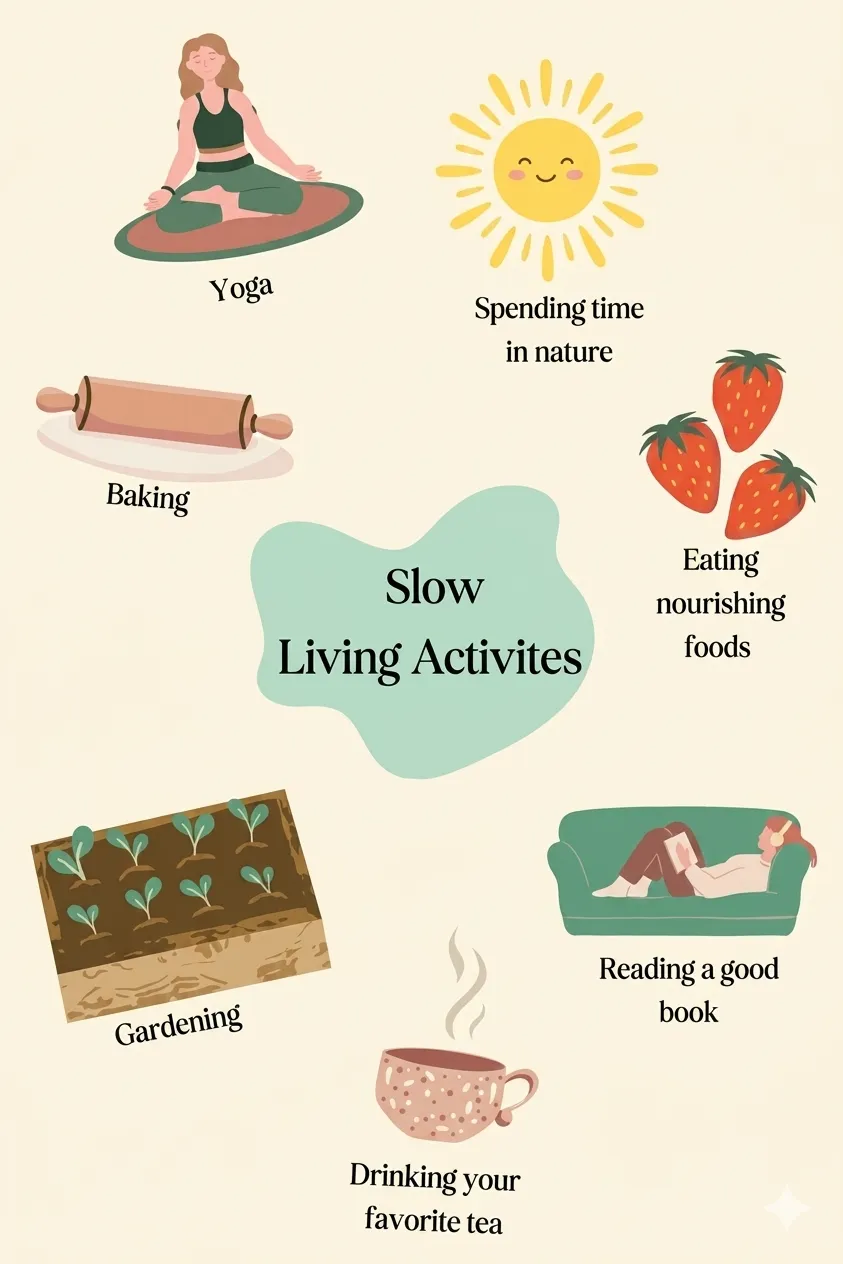
Simple habits like deep breathing, mindful eating, and spending time in nature can help your body return to balance.
3. Minimalism and Mental Clarity
Clutter isn’t just physical—it’s mental too. Studies show that a cluttered environment can overwhelm the brain, reducing focus and increasing stress.
Slow living embraces minimalism by encouraging you to:
- Remove unnecessary possessions
- Limit digital distractions
- Create a calm, organized space
When your surroundings are clear, your mind becomes clearer too—leading to better creativity and productivity.
4. The Link Between Slow Living and Happiness
Happiness isn’t just about achievement—it’s about connection, purpose, and meaningful experiences.
Slow living supports the release of “feel-good” chemicals in the brain:
- Dopamine (motivation and pleasure)
- Serotonin (contentment and stability)
- Oxytocin (connection and bonding)
- Endorphins (joy and stress relief)
By focusing on experiences rather than constant productivity, slow living creates lasting emotional well-being.
Mental Benefits of Slowing Down
Improved Focus and Productivity
Contrary to popular belief, slowing down can actually help you get more done. When you focus on one task at a time, your brain enters a state of deep concentration, improving both efficiency and quality.
Reduced Anxiety and Burnout
Constant busyness leads to mental exhaustion. Slow living encourages rest, boundaries, and balance—helping you recover from stress and avoid burnout.
Stronger Relationships
When you’re fully present, your connections deepen. Meaningful conversations, shared experiences, and quality time become more impactful, strengthening emotional bonds.
Physical Health Benefits of Slow Living
Adopting a slower pace doesn’t just benefit your mind—it transforms your body too:
- Better sleep: Calmer routines support natural sleep cycles
- Improved digestion: Mindful eating enhances nutrient absorption
- Heart health: Lower stress reduces cardiovascular risks
- Stronger immunity: Reduced stress supports immune function
In short, slowing down helps your body function the way it was designed to.
How to Practice Slow Living in Everyday Life
You don’t need to completely change your life overnight. Slow living starts with small, intentional shifts:
1. Simplify Your Schedule
Focus on what truly matters. Remove unnecessary commitments and create space for rest and creativity.
2. Set Boundaries with Technology
Limit screen time, turn off notifications, and schedule regular digital detox periods.
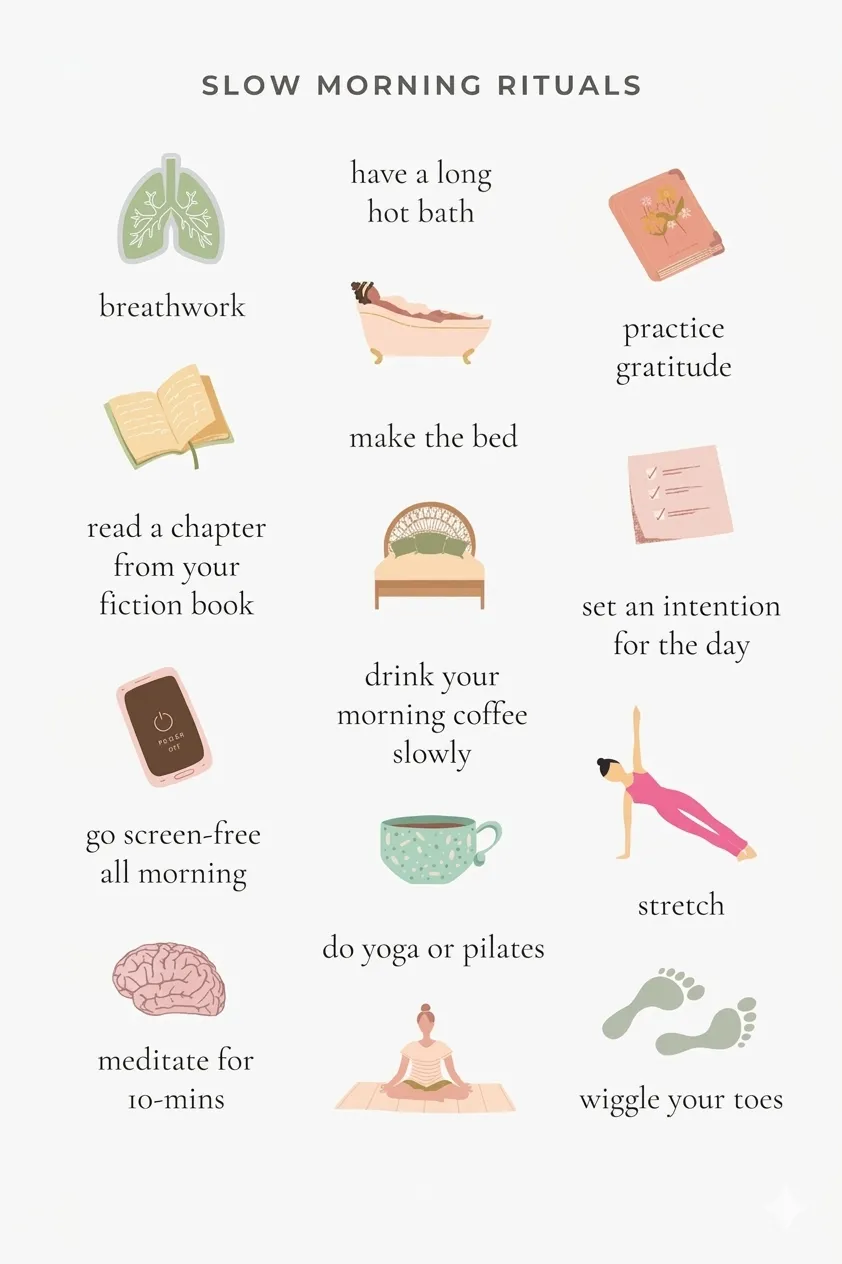
3. Build Calm Daily Rituals
Start your morning without rushing—try stretching, journaling, or meditation. End your day with reflection or gratitude.
4. Practice Mindful Eating
Eat slowly, savor your food, and avoid distractions like phones or TV.
5. Spend Time in Nature
Even a short walk outside can reduce stress, improve mood, and restore mental energy.
6. Declutter Your Space
Keep only what you truly need or love. A clean environment promotes calmness and focus.
7. Focus on One Task at a Time
Avoid multitasking. Single-tasking helps you stay present and more productive.
Slow Living: A Sustainable Way of Life
Slow living isn’t about stepping away from life—it’s about engaging with it more deeply. It challenges the idea that faster is always better and instead asks a simple question:
What truly matters to you?
By living more intentionally, you not only improve your own well-being but also contribute to a more balanced and compassionate world.
Final Thoughts
Choosing to slow down in a fast-moving world is a powerful act of self-care. It allows you to reclaim your time, reduce stress, and reconnect with what truly brings you joy.
The science is clear:
Slowing down doesn’t hold you back—it helps you live better.
Start small. Be intentional. And most importantly, give yourself permission to move at a pace that feels right for you.