
The Best Time of Day to Work Out to Lose Weight, Get Stronger, and Relieve Stress

The Best Time of Day to Work Out to Lose Weight, Get Stronger, and
Relieve Stress
When it comes to fitness, one question keeps coming up: what is the best time of day to work out? Is it better to exercise in the morning to burn fat, or in the evening to build strength and relieve stress?
The truth is simpler than you might think: the best time to work out is the time you can stay consistent with. However, different times of day offer unique benefits depending on your goals—whether that’s weight loss, muscle gain, or mental well-being.
Let’s break it down so you can find your perfect workout schedule.
Why Workout Timing Matters (But Consistency Matters More)
Scientific research shows that while workout timing can influence performance, consistency is the biggest factor in long-term results. If you can only commit to evening workouts, that’s far more effective than occasionally waking up early and skipping sessions.
Still, understanding how your body responds throughout the day can help you optimize your results.
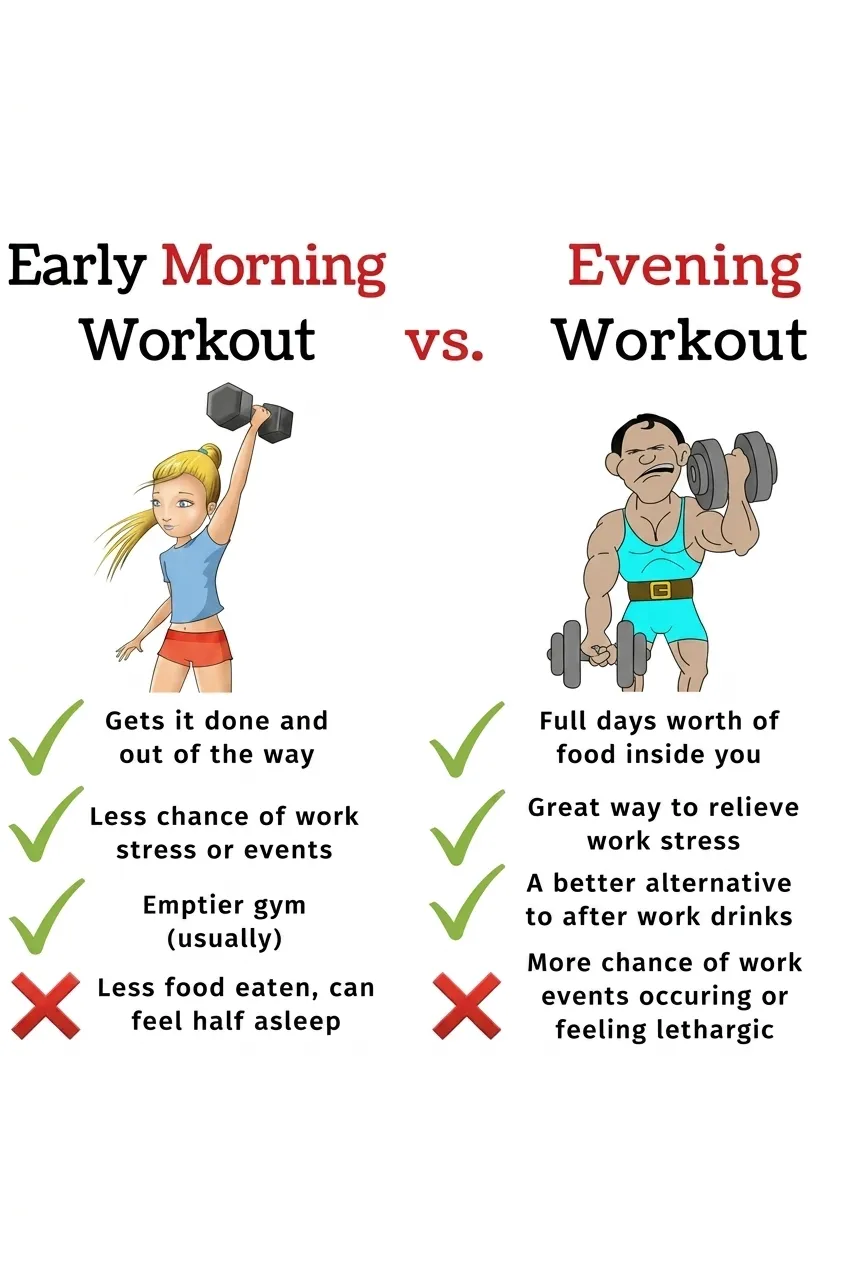
Benefits of Working Out in the Morning
Morning workouts are popular for a reason—they can set the tone for your entire day.
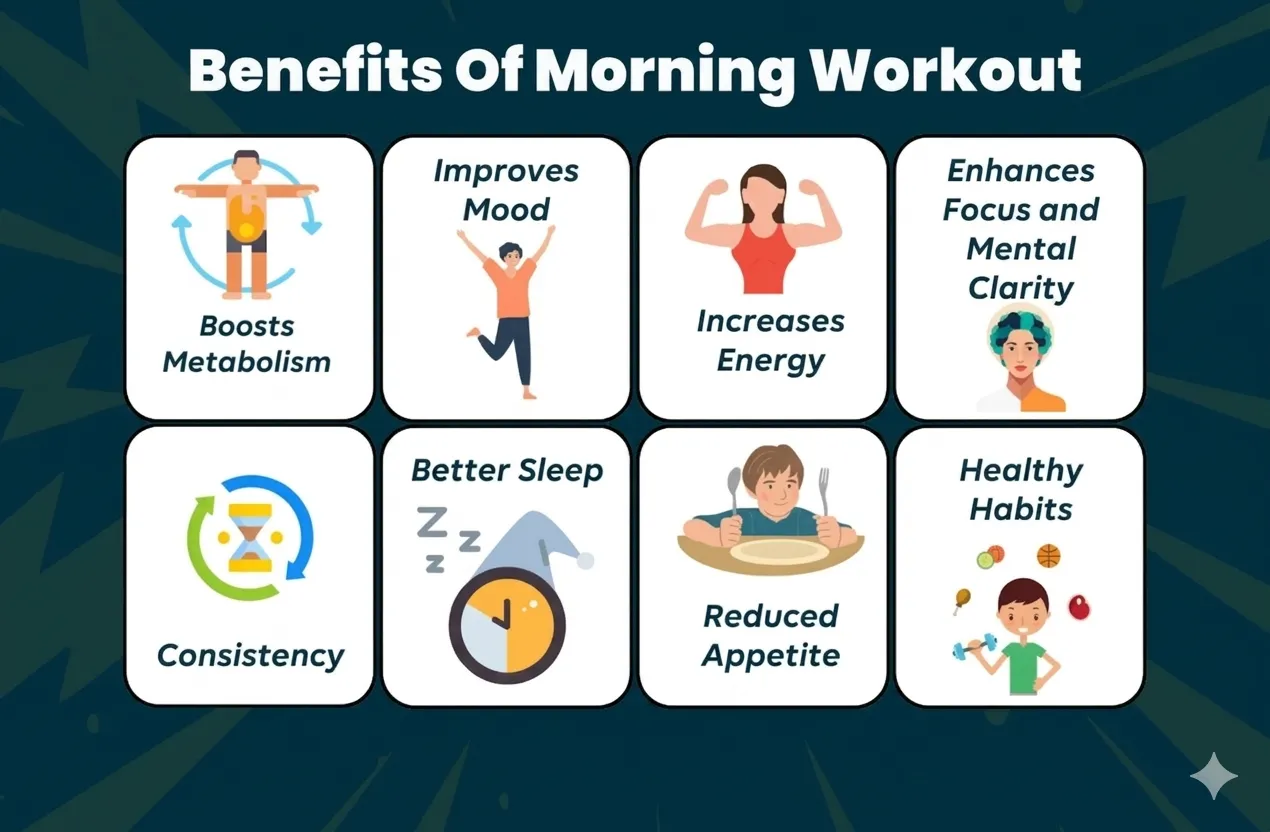
1. Boosts Mood and Mental Clarity
Starting your day with exercise releases endorphins, helping reduce stress and improve overall mood. Lower cortisol levels mean you feel calmer and more focused throughout the day.
2. Supports Better Sleep
People who exercise in the morning often fall asleep earlier and experience deeper, more restorative sleep cycles.
3. May Help With Weight Loss
Studies suggest that exercising earlier in the day may enhance fat burning and lead to greater weight loss compared to late-day workouts. Morning exercisers also tend to be more active overall.
4. Helps Regulate Blood Pressure
Morning workouts may help reduce blood pressure levels, especially in women.
Downsides of Morning Workouts
Despite the benefits, early exercise isn’t perfect for everyone.
- Higher risk of injury: Your body temperature is lowest in the morning, meaning muscles are stiffer. A proper warm-up is essential.
- Low energy levels: Exercising on an empty stomach can lead to fatigue and poor performance.
- Safety concerns: If you work out before sunrise, visibility and awareness become important.
Benefits of Working Out in the Afternoon or Evening
If you’re not a morning person, good news—later workouts come with powerful advantages.
1. Increased Strength and Performance
Your body temperature peaks in the afternoon and evening, improving muscle flexibility, strength, and endurance.
2. Better Stress Relief
After a long day of work or school, exercise helps release tension and reduce stress through endorphin production.
3. Lower Risk of Injury
Warmer muscles and better mobility mean a reduced chance of strains or injuries.
4. More Social Motivation
Evening workouts make it easier to exercise with friends, family, or join group classes—helping you stay consistent.
Downsides of Evening Workouts
Evening training also has a few limitations:
- Can disrupt sleep: High-intensity workouts too close to bedtime may make it harder to fall asleep.
- Schedule conflicts: Social events or work obligations can interfere with your routine.
- Less availability (sometimes): Depending on your location, certain classes or facilities may be more limited.
How to Choose the Best Time for Your Goals
Here’s a quick guide based on your fitness goals:
- For weight loss: Morning workouts may give a slight edge
- For strength and performance: Afternoon or evening is ideal
- For stress relief: Evening workouts can help you unwind
- For better sleep: Morning or moderate evening workouts work best
How to Build a Consistent Workout Routine
No matter what time you choose, consistency is key. Health experts recommend at least 150 minutes of moderate aerobic activity per week.
Here are practical tips to stick with your routine:
1. Choose Activities You Enjoy
You’re more likely to stay consistent if you actually like your workout.
2. Prioritize Sleep
Aim for at least 7 hours of sleep each night to support recovery and performance.
3. Fuel Your Body Properly
Keep healthy snacks available to maintain energy levels before workouts.
4. Prepare in Advance
Lay out your workout clothes and gear the night before to remove friction and save time.
Final Thoughts
There’s no universal “perfect” time to exercise. While morning workouts may support weight loss and better sleep, and evening sessions may enhance strength and relieve stress, your schedule and lifestyle matter most.
The real secret?
Pick a time you can stick to—and keep showing up.
Because in fitness, consistency always beats perfection.