


The Science-Backed Benefits of Walking Every Day
Walking is one of the simplest yet most powerful habits you can build for your health. It requires no expensive equipment, no gym membership, and no special training—just a willingness to move.
Backed by science, daily walking improves heart health, boosts mental well-being, supports weight management, and even extends lifespan. In this guide, you’ll discover why walking is often called the most underrated form of exercise—and how it can transform your life.
Why Walking Is So Powerful
Walking may seem ordinary, but it aligns perfectly with how the human body was designed to move. For thousands of years, our ancestors relied on walking for survival—hunting, gathering, and exploring.
Today, science confirms that walking activates multiple systems in the body, including:
- Cardiovascular system
- Muscular system
- Metabolic processes
- Brain function
In short, walking is natural, efficient, and incredibly beneficial.
Walking Improves Heart Health
One of the most well-documented benefits of walking is its positive impact on the heart.
Regular walking can:
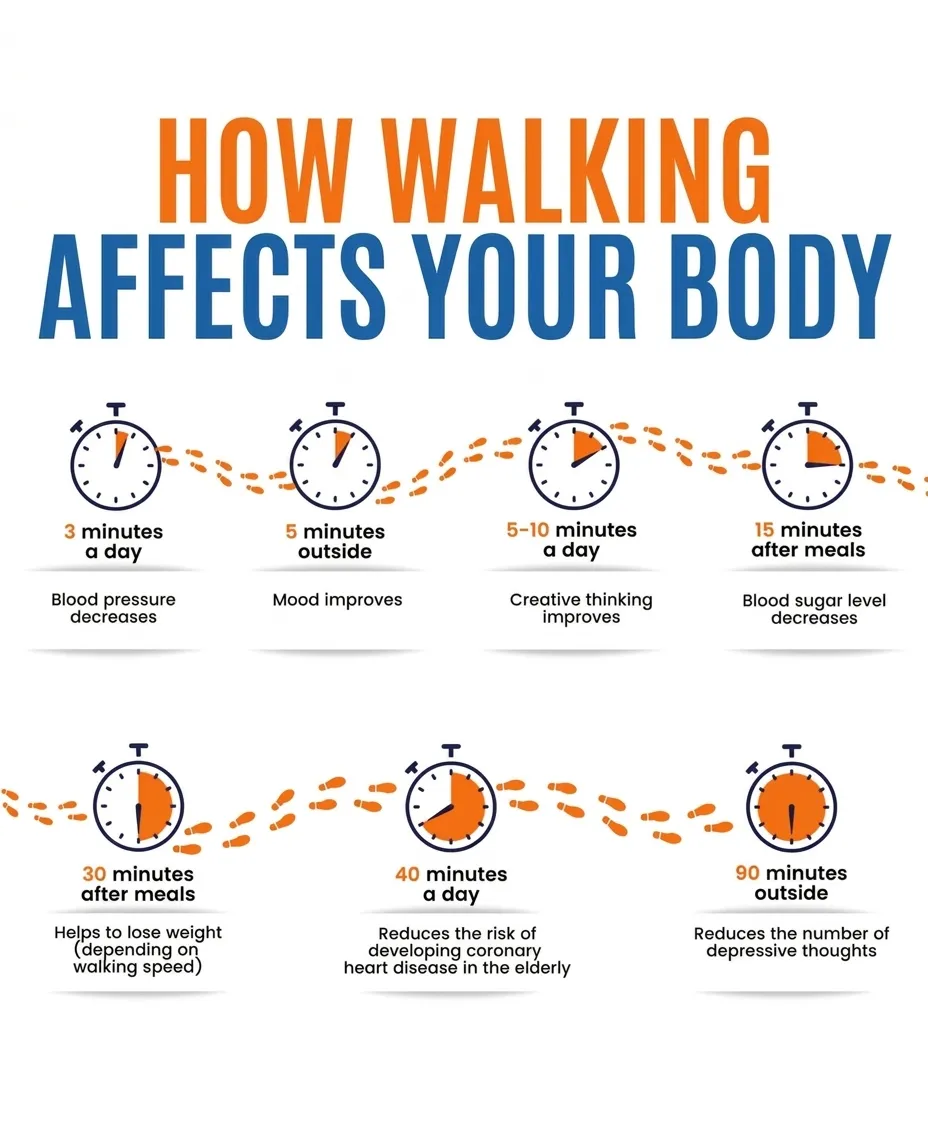
- Lower blood pressure
- Improve cholesterol levels
- Enhance blood circulation
- Reduce risk of heart disease and stroke
Studies show that just 30 minutes of brisk walking daily can reduce cardiovascular risk by up to 30%.
Every step strengthens your heart, making it more efficient at pumping blood and delivering oxygen throughout your body.
Walking Supports Healthy Weight Management
While it may not feel intense, walking is a highly effective and sustainable way to manage weight.
- Burns approximately 200–300 calories per hour
- Boosts metabolism
- Helps regulate appetite
- Improves insulin sensitivity
Unlike extreme workouts, walking is low-impact, meaning you can do it daily without a high risk of injury. This makes it easier to stay consistent—the key to long-term weight control.
Walking Boosts Mental Health and Brain Function
Walking is not just physical exercise—it’s also powerful therapy for your mind.
Mental health benefits include:
- Reduced stress and anxiety
- Improved mood through endorphin release
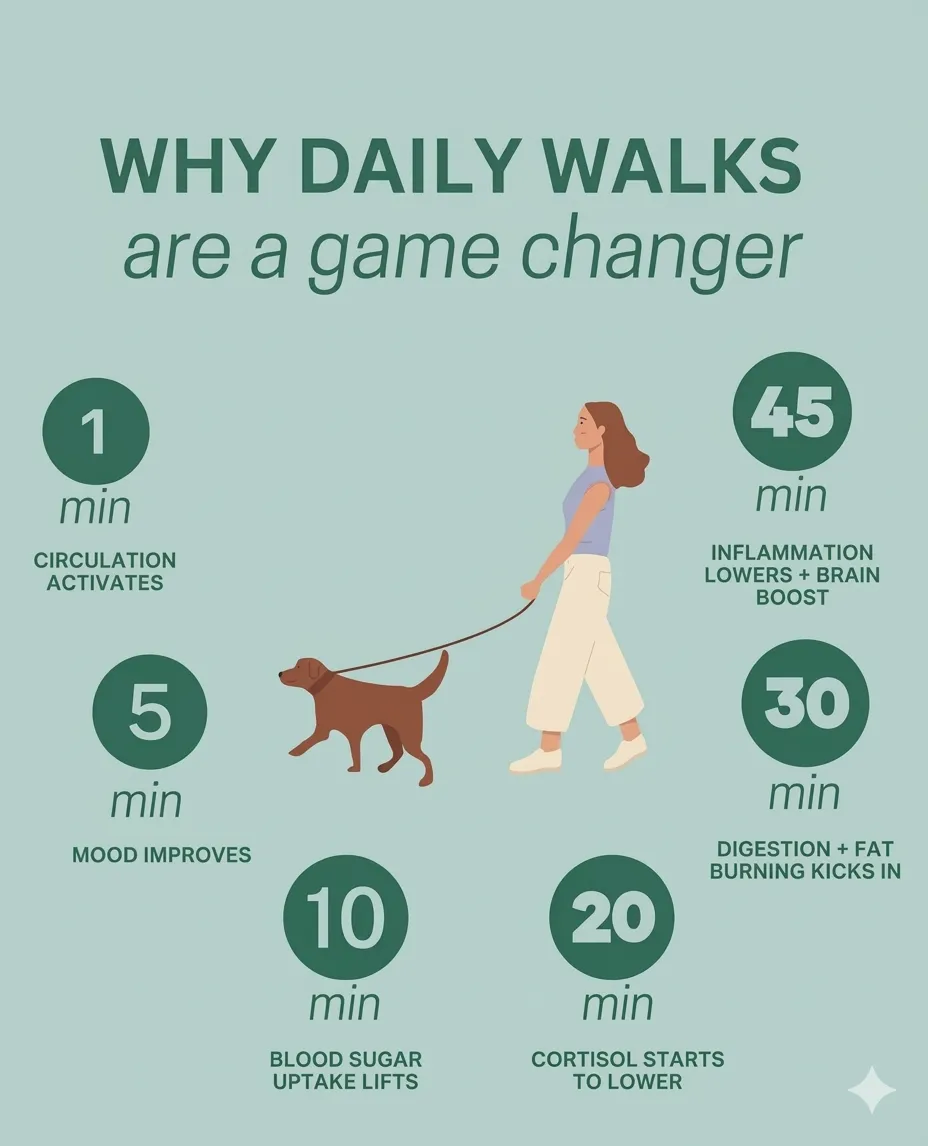
- Lower cortisol (stress hormone) levels
- Better focus and clarity
Research shows that walking stimulates the brain, especially areas linked to memory and learning, helping reduce the risk of cognitive decline and dementia.
Even a 10-minute walk can noticeably improve your mood.
Walking Enhances Creativity and Focus
Many y great thinkers—like Aristotle and Henry David Thoreau—used walking as a tool for creativity.
Modern science supports this idea:
- Walking can increase creative thinking by up to 60%
- Improves problem-solving ability
- Encourages new ideas and mental clarity
The rhythmic motion of walking helps your brain relax and think more freely.
Walking Helps You Live Longer
Daily walking is strongly linked to increased lifespan.
Research shows:
- Walking 8,000–10,000 steps per day lowers risk of early death
- Even 4,000–6,000 steps provide significant health benefits
Walking reduces the risk of chronic diseases such as:
- Heart disease
- Type 2 diabetes
- Certain cancers
- Neurodegenerative disorders
More importantly, it improves quality of life, helping you stay active, independent, and mentally sharp as you age.
Walking Prevents and Manages Chronic Diseases
Walking acts as a natural defense against many serious conditions:
- Diabetes: Improves blood sugar control
- Cancer: Reduces risk through hormone balance and lower inflammation
- Arthritis: Strengthens joints and reduces stiffness
Even for people with existing conditions, walking can improve symptoms and overall health outcomes.
Walking in the Modern (Sedentary) World
In today’s digital age, many people spend hours sitting—at desks, in cars, or on devices. This lack of movement increases health risks.
Walking is the simplest solution:
- No equipment required
- Easy to fit into daily routines
- Accessible to all ages and fitness levels
Whether it’s walking to work, taking the stairs, or going for an evening stroll, small steps make a big difference.
Emotional and Social Benefits of Walking
Walking isn’t just about fitness—it also strengthens relationships and emotional well-being.
- Walking with friends or family improves connection
- Encourages meaningful conversations
- Promotes mindfulness and relaxation
It can even act as a form of moving meditation, helping you process thoughts and reduce mental clutter.
Walking: A Lifelong Healthy Habit
One of the greatest advantages of walking is that it’s suitable for every stage of life:
- Children: Builds coordination and healthy habits
- Adults: Reduces stress and supports fitness
- Older adults: Maintains mobility and independence
Walking adapts to your pace, your schedule, and your lifestyle.
How to Start Walking Every Day
Here are simple tips to build a consistent walking habit:
- Start with 10–15 minutes per day
- Gradually increase to 30 minutes or more
- Aim for 7,000–10,000 steps daily
- Walk at a brisk pace for added benefits
- Choose enjoyable routes (parks, neighborhoods)
Consistency matters more than intensity.
Final Thoughts
Walking may be simple, but its impact is extraordinary. It strengthens your heart, sharpens your mind, improves your mood, and helps you live longer.
In a world full of complex fitness trends, walking remains a timeless, science-backed solution for better health.
So take that first step today. Because every step you take is a step toward a healthier, happier life.