What to Eat Before and After a Workout (Based on Your Workout Type)
Fueling your body the right way is just as important as the workout itself. Whether you’re aiming to lose weight, build muscle, or simply stay active, knowing what to eat before and after a workout can significantly improve your performance and recovery.
The key is understanding that nutrition is not one-size-fits-all. Your meals should match your workout type, intensity, and personal goals.
Why Nutrition Timing Matters
When you exercise, your body uses energy differently. That’s why what you eat before a workout should differ from what you eat after.
Here are the essential components of workout nutrition:
Carbohydrates: Your primary energy source, fueling muscle activity
Protein: Helps repair and rebuild muscle tissue
Hydration: Keeps your body functioning and prevents fatigue
Timing: Eating too early, too late, or too much can affect performance
Balancing these elements helps you maximize results and avoid burnout.
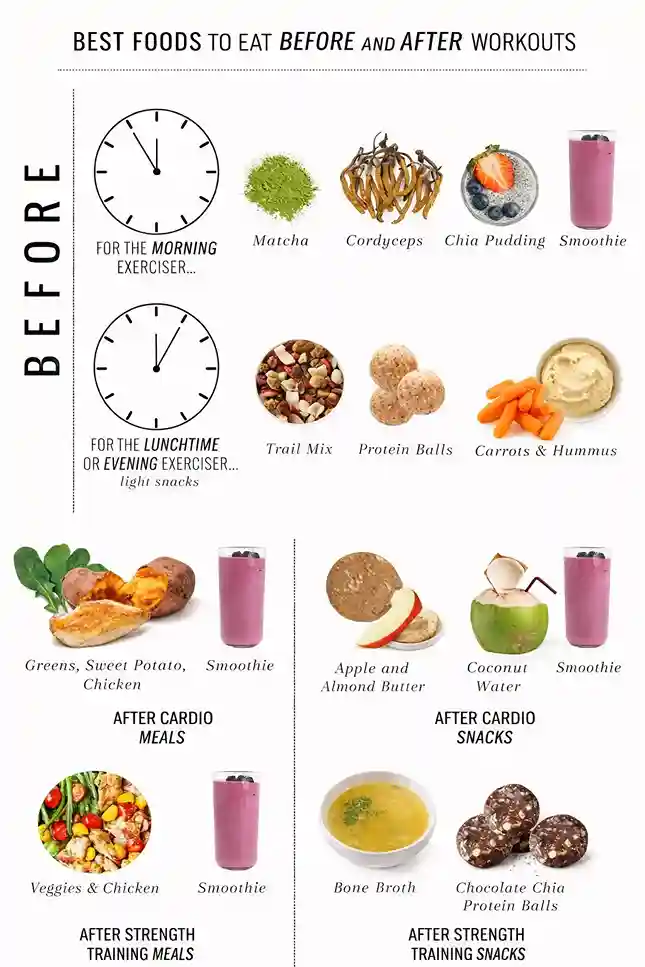
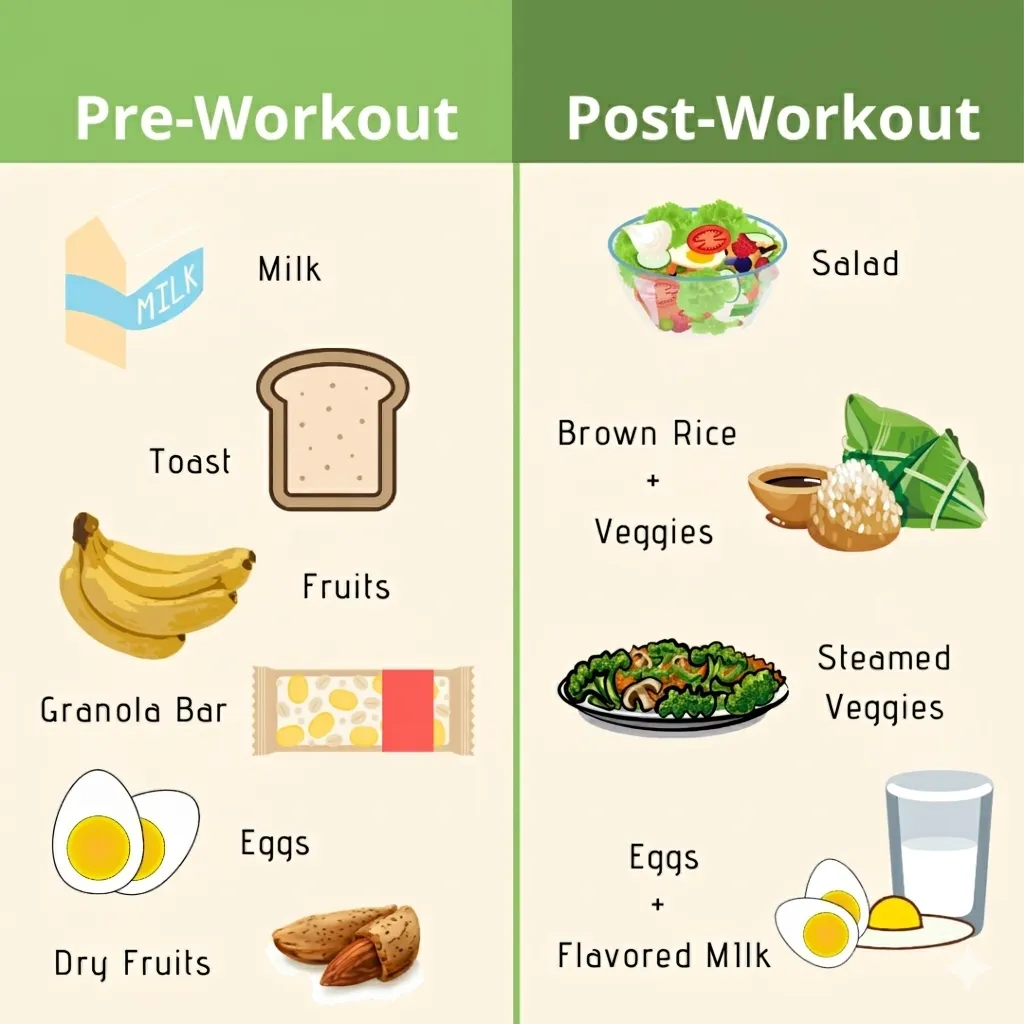
What to Eat Before a Workout
Your pre-workout meal should provide energy without causing discomfort. The ideal food depends on the type of exercise you’re doing.
nutrition-timing-matters
1. Before Cardio (Running, Cycling, HIIT)
Cardio workouts require quick energy and endurance.
What to eat:
1–3 hours before:
Oatmeal with banana
Toast with peanut butter
30–60 minutes before:
Banana
Energy bar
What to avoid: High-fat or high-fiber foods, as they may cause bloating or stomach discomfort.
2. Before Strength Training (Weightlifting)
Strength workouts need both energy and muscle support.
What to eat:
1–3 hours before:
Chicken with rice
Greek yogurt with berries
Eggs and toast
Optional snack (30 minutes before):
Cheese and crackers
Carrots with hummus
A mix of carbs and protein helps power your workout and prepare your muscles.
3. Before Yoga or Stretching
For flexibility workouts, light and easily digestible foods are best.
What to eat:
Fruit smoothie
Toast with almond butter
What to avoid: Heavy, greasy, or gas-producing foods like fried items, beans, or cruciferous vegetables.
Hydration Tip
Always drink water before your workout. Staying hydrated improves performance and prevents fatigue. For intense sessions, you may consider electrolyte drinks.
What to Eat After a Workout
After exercising, your body enters recovery mode. This is when it repairs muscles and restores energy.
While some believe in a strict 30–60 minute “anabolic window,” the most important thing is to refuel when your body needs it.
Post-Workout Nutrition Goals
Replenish energy (carbs)
Repair muscles (protein)
Rehydrate (fluids and electrolytes)
1. After Cardio Workouts
Focus on restoring energy and hydration.
Good options:
Chocolate milk
Fruit smoothie with protein
Hummus with whole-grain pita
2. After Strength Training
Muscle recovery is the priority here.
Best foods:
Grilled chicken with sweet potatoes
Protein shake with banana
Tuna sandwich
A combination of protein and complex carbs supports muscle growth and recovery.
3. After Yoga or Light Exercise
Recovery is gentler but still important.
Simple choices:
Fresh fruit
Yogurt
Nuts or seeds
Coconut water or electrolyte drinks
Nutrition Tips for Every Workout
No matter your routine, these tips will help you stay on track:
seek-professional-guidance
Stay Hydrated
Drink water before, during, and after exercise to avoid fatigue and headaches.
Don’t Skip Meals
Working out on an empty stomach can reduce performance and energy levels.
Avoid Fad Diets
Extreme diets and unproven supplements can do more harm than good.
Listen to Your Body
If certain foods cause discomfort, adjust your meals accordingly.
Prioritize Protein
Your protein needs depend on your body and workout intensity. Adjust intake based on your goals.
When to Seek Professional Guidance
If you’re unsure how to structure your diet or have specific fitness goals, consider consulting a registered dietitian or healthcare professional. They can help you create a personalized nutrition plan tailored to your needs.
Final Thoughts
The right nutrition can make a huge difference in how you perform and recover from workouts. By choosing the right foods at the right time, you’ll boost your energy, improve results, and reduce the risk of fatigue or injury.
Remember: fitness isn’t just about how hard you train—it’s also about how well you fuel your body.
Start making smarter nutrition choices today, and your workouts will become more effective than ever.