
Beginner Yoga: Your Complete Guide to Starting Yoga with Confidence
Yoga is for everyone—no matter your age, fitness level, or flexibility. If you’ve been curious about starting yoga but don’t know where to begin, this beginner-friendly guide will walk you through everything you need to know.
From basic poses and simple routines to safety tips and common challenges, you’ll learn how to build a strong foundation and start your yoga journey with confidence.
What Is Beginner Yoga?
Beginner yoga focuses on learning the fundamentals:
- Simple poses (asanas)
- Breathing techniques (pranayama)
- Mind-body awareness
Instead of complex movements, beginner yoga emphasizes proper alignment, gentle stretching, and controlled breathing. The goal is not perfection—it’s building confidence and feeling comfortable in your body.
Why Start Yoga as a Beginner?
Starting yoga offers a wide range of benefits for both your body and mind:
Physical Benefits
- Improves flexibility and posture
- Builds strength and balance
- Releases muscle tension
Mental Benefits
- Reduces stress and anxiety
- Enhances focus and clarity
- Promotes relaxation
Emotional Benefits
- Boosts self-confidence
- Encourages mindfulness
- Supports emotional balance
Yoga is unique because it removes pressure—you’re not competing with anyone. Every session is about your personal growth.
Beginner Yoga Poses Step by Step
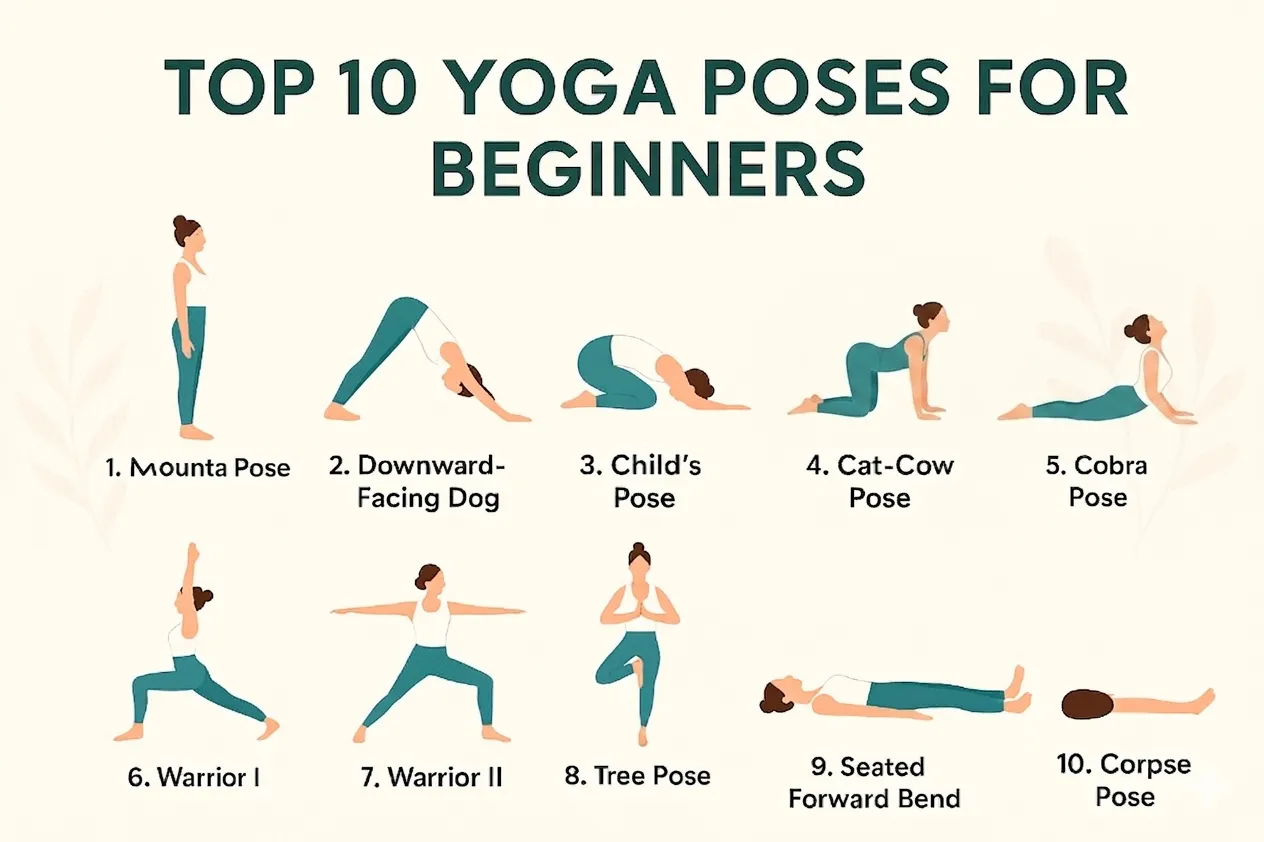
Here are five essential beginner yoga poses to get you started:
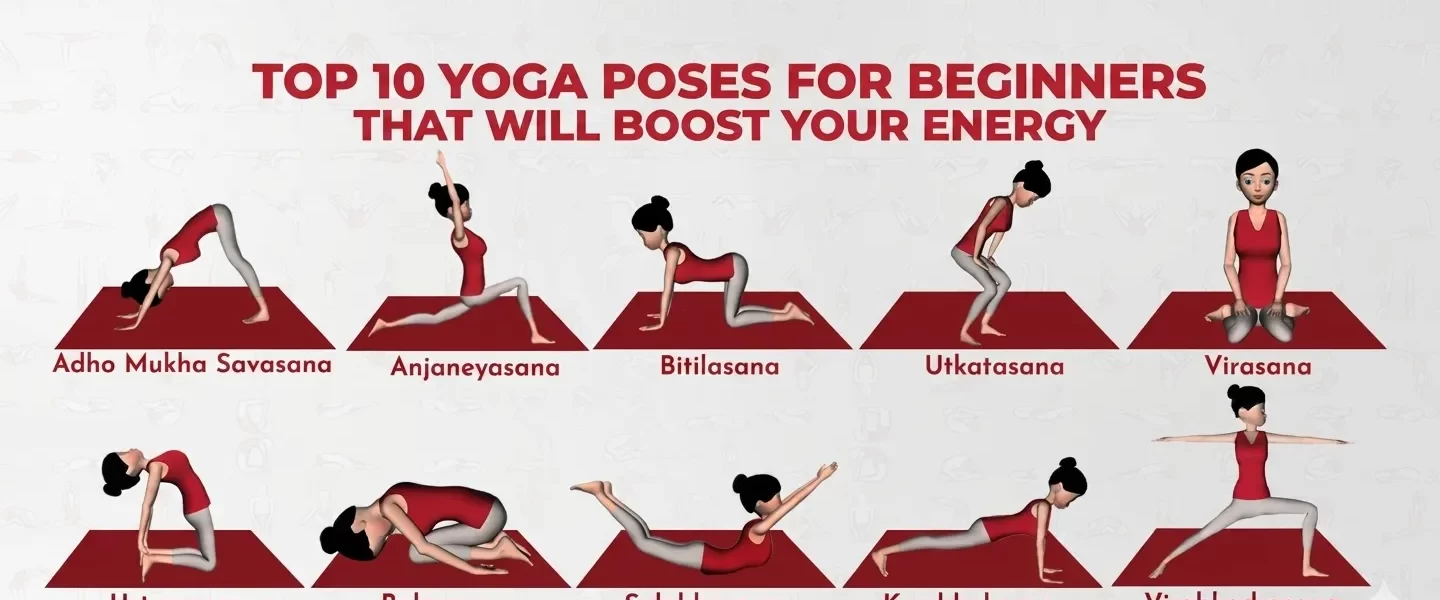
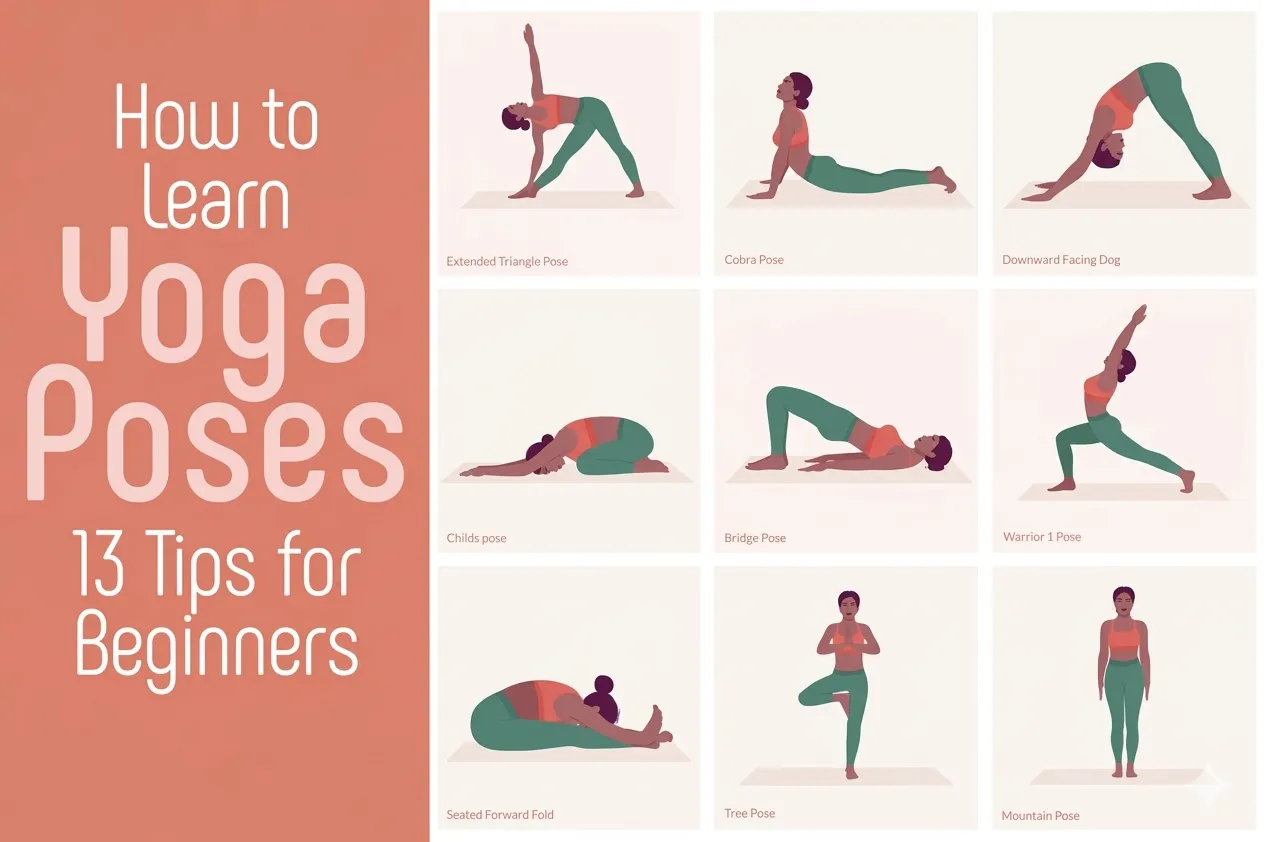
1. Mountain Pose (Tadasana)
- Stand tall with feet hip-width apart
- Relax shoulders and keep arms at your sides
- Focus on steady breathing
Improves posture and body awareness
2.Downward-Facing Dog (Adho Mukha Svanasana)
- Start on hands and knees
- Lift hips to form an upside-down “V”
- Keep knees slightly bent if needed
Stretches the back, shoulders, and legs
3.Child’s Pose (Balasana)
- Kneel and sit back on your heels
- Stretch arms forward and rest your forehead
- Breathe deeply
Relieves stress and tension
4. Cobra Pose (Bhujangasana)
- Lie on your stomach
- Press hands into the mat and lift your chest
- Keep shoulders relaxed
Strengthens the spine and opens the chest
5. Warrior II (Virabhadrasana II)
- Step feet wide apart
- Bend front knee and extend arms
- Look over your front hand
Builds strength, balance, and focus
A Quick 10-Minute Beginner Yoga Routine
Try this simple daily flow:
- Mountain Pose – 3 deep breaths
- Forward Fold – relax your upper body
- Half Forward Fold – lengthen your spine
- Downward Dog – stretch and strengthen
- Child’s Pose – rest and breathe
- Cobra Pose – open your chest
- Warrior II – build strength
- Return to Mountain Pose
This routine improves flexibility, strength, and relaxation in just 10 minutes.
Choosing the Best Yoga Style for Beginners
Not all yoga styles are the same. Here are the best options for beginners:
- Hatha Yoga: धी slow-paced and ideal for learning basics
- Vinyasa Yoga: Flowing movements linked with breath
- Yin/Restorative Yoga: Gentle and deeply relaxing
Best choice: Start with Hatha Yoga, then explore other styles as you progress.
Essential Props and Equipment
You don’t need much to begin, but these tools can help:
- Yoga mat: Provides grip and comfort
- Blocks: Help with balance and flexibility
- Strap: Assists stretching
- Blanket/Bolster: Adds support and relaxation
Props make yoga more accessible and safer, especially for beginners.
Safety Tips for Beginner Yogis
Stay safe and avoid injuries with these tips:
- Warm up before starting
- Never force a stretch
- Use props when needed
- Listen to your body
- Focus on steady breathing
If something feels painful, stop and adjust.
How Often Should Beginners Do Yoga?
Consistency matters more than duration:
- Start with 2–3 sessions per week
- Aim for 10–20 minutes per session
- Gradually increase as you improve
Even short daily sessions can lead to noticeable progress.
Common Beginner Challenges (And How to Overcome Them)
1. Lack of Flexibility
→ Use props and be patient—flexibility improves over time
2. Staying Consistent
→ Start small and create a realistic schedule
3. Feeling Intimidated
→ Focus on your own journey, not others
4. Forgetting to Breathe
→ Move slowly and stay aware of your breath
Ready to Take Your Yoga to the Next Level?
Once you’re comfortable with the basics, you can deepen your practice by exploring:
- Advanced yoga flows
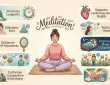
- Meditation techniques
- Breathing exercises (pranayama)
- Yoga philosophy and mindfulness
Yoga is more than exercise—it’s a lifestyle that supports long-term health and inner balance.
Frequently Asked Questions (FAQs)
How do I start yoga if I’m not flexible?
You don’t need flexibility to begin. Yoga helps you become flexible over time.
What is the best yoga style for beginners?
Hatha yoga is ideal for beginners due to its slow pace and focus on basics.
How long should a beginner yoga session last?
Start with 10–15 minutes and gradually increase.
Is 20 minutes of yoga enough?
Yes! Regular 20-minute sessions can improve flexibility and reduce stress.
Can yoga help with weight loss?
Yes. Yoga supports weight loss by reducing stress, improving metabolism, and encouraging mindful habits.
Final Thoughts
Starting yoga doesn’t require perfection—just consistency, patience, and an open mind. With simple poses, mindful breathing, and a short daily routine, you can build a strong foundation and enjoy all the benefits yoga has to offer.
Take your first step today, and let your yoga journey begin