
10 Essential Healthy Habits for Students: The Science-Backed Guide to Academic Excellence

10 Essential Healthy Habits for Students: The Science-Backed Guide to Academic Excellence
Student success isn’t just about studying harder—it’s about living smarter. Research consistently shows that healthy habits directly impact academic performance, from focus and memory to energy and stress management.
In this science-backed guide, you’ll discover 10 essential healthy habits for students that can help you improve your grades, boost productivity, and maintain overall well-being.
Why Healthy Habits Matter for Academic Success
Your brain performs best when your body is well taken care of. Healthy habits:
- Improve concentration and memory
- Boost energy levels
- Reduce stress and anxiety
- Enhance long-term academic performance
In fact, studies show that lifestyle factors like sleep, nutrition, and exercise can significantly influence students’ grades and learning outcomes.
1. Prioritize Quality Sleep
Sleep is not a luxury—it’s a necessity for learning.
- Aim for 7–9 hours of sleep per night
- Keep a consistent sleep schedule
- Avoid screens before bedtime
During sleep, your brain consolidates information and restores mental energy, making it easier to focus and retain knowledge.
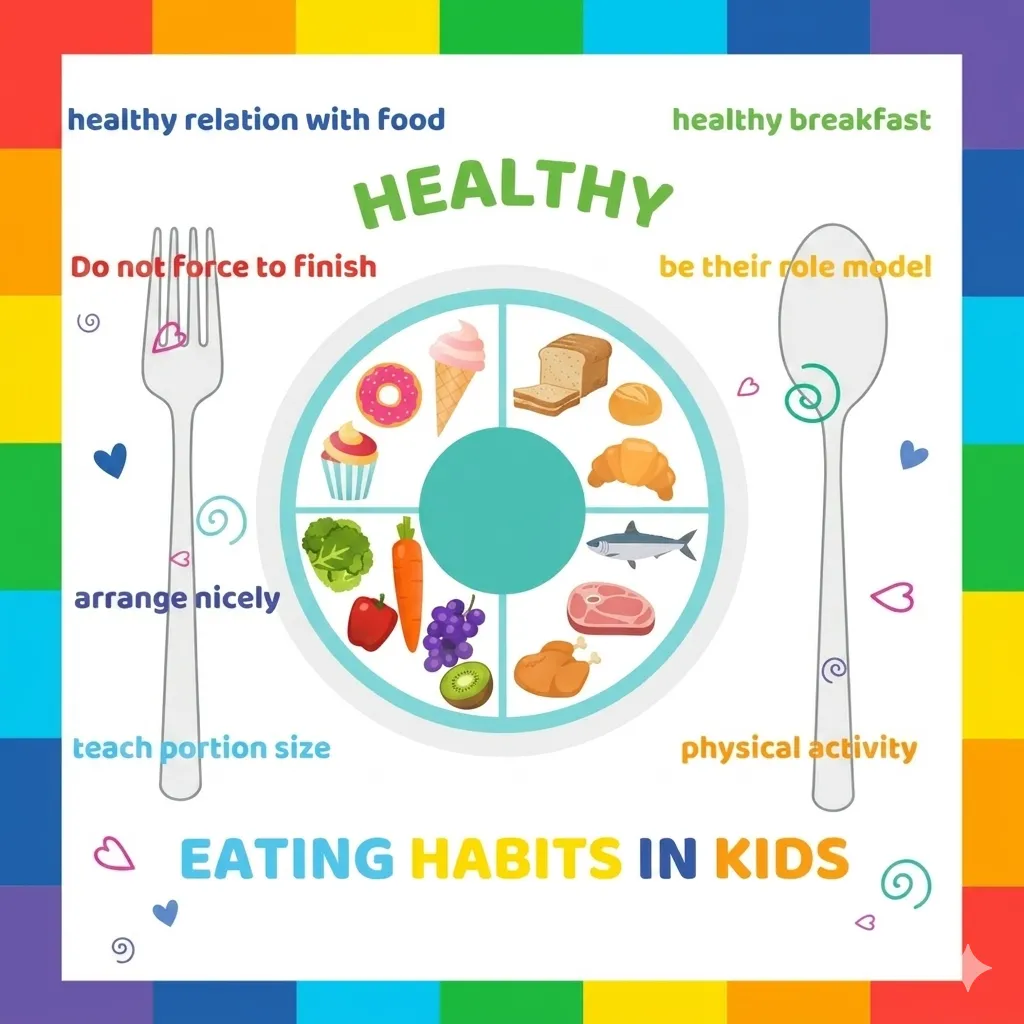
2. Eat a Balanced, Brain-Boosting Diet
Nutrition fuels your brain.
- Eat more fruits, vegetables, whole grains, and lean proteins
- Limit sugar, processed foods, and excessive caffeine
- Stay hydrated throughout the day
A healthy diet prevents energy crashes and keeps your mind sharp during classes and exams.
3. Stay Physically Active
Exercise isn’t just for fitness—it improves brain function.
- Get at least 30 minutes of activity most days
- Try walking, cycling, swimming, or sports
- Use movement as a study break
Physical activity increases blood flow to the brain, enhancing focus and memory.
4. Manage Stress Effectively
Academic pressure is unavoidable, but stress can be controlled.
- Practice deep breathing or meditation
- Take short mental breaks
- Avoid overloading your schedule
Managing stress helps you stay calm, focused, and productive.
5. Limit Digital Distractions
Technology can both help and harm your learning.
- Set screen time boundaries
- Turn off notifications while studying
- Avoid social media during study sessions
Reducing distractions improves concentration and study efficiency.
6. Build Consistent Daily Routines
Consistency is the foundation of success.
- Set fixed times for sleep, meals, and study
- Plan your day in advance
- Stick to simple routines
Habits become easier when they are part of your daily rhythm.
7. Practice Smart Time Management
Balancing academics and health requires planning.
- Use a planner or digital calendar
- Break tasks into smaller steps
- Schedule time for self-care
Good time management reduces stress and improves productivity.
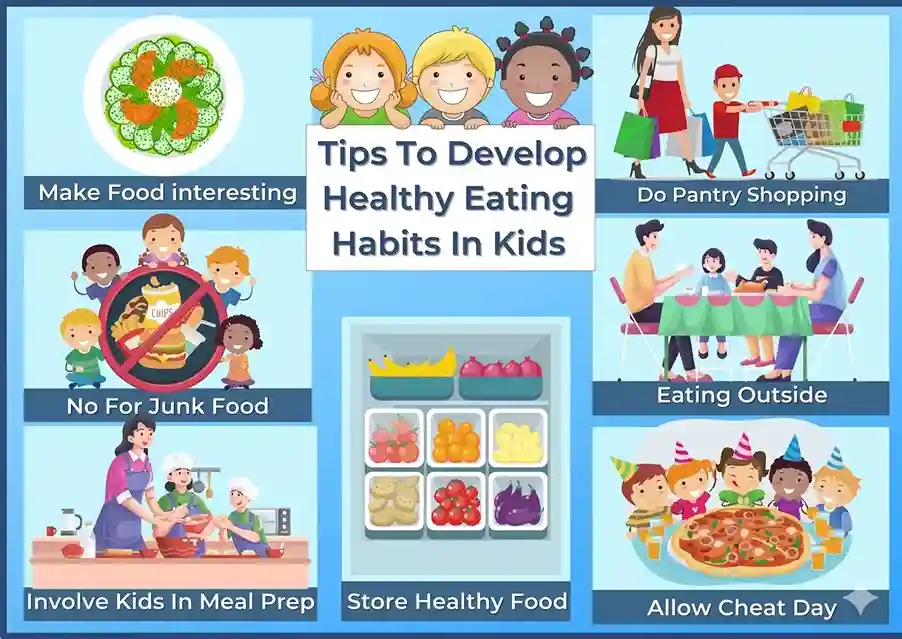
8. Develop Healthy Eating Habits on a Budget
Students often struggle with nutrition due to time and money constraints.
- Prepare simple meals at home
- Keep healthy snacks available
- Avoid relying on fast food
Small changes can make a big difference in your overall health.
9. Stay Social and Build Support Systems
You don’t have to do everything alone.
- Connect with friends who share healthy goals
- Join study groups or fitness activities
- Ask for help when needed
Strong social support improves both mental health and academic performance.
10. Create a Personal Health Success Plan
Make your habits intentional and trackable.
Set Clear Goals
Define what you want to improve (e.g., better sleep, more energy).
Build Habit Triggers
Link new habits to existing routines (e.g., stretch after studying).
Track Progress
Use a journal or app to monitor your habits.
Stay Flexible
Adjust your routine when needed—especially during exams or busy periods.
Common Challenges Students Face (And How to Overcome Them)
Digital Overload
Solution: Schedule tech-free study blocks
Academic Stress
Solution: Practice mindfulness and take regular breaks
Poor Nutrition
Solution: Plan meals and keep healthy snacks ready
Lack of Sleep
Solution: Prioritize rest like an important class
How to Maintain Healthy Habits During Exams
- Stick to a consistent sleep schedule
- Eat simple, nutritious meals
- Take short movement breaks
- Practice deep breathing to reduce anxiety
Even during busy periods, small healthy actions can keep you performing at your best.
Final Thoughts: Healthy Habits = Academic Excellence
Success in school isn’t just about intelligence—it’s about consistency, balance, and self-care.
By building these 10 essential healthy habits, you’ll not only improve your academic performance but also develop lifelong skills for health and success.
Start small, stay consistent, and watch your results improve over time.