


Top 10 Foods for Health: The Ultimate Guide to a Balanced and Nutritious Diet
Eating healthy doesn’t have to be complicated. In fact, building a nutritious diet starts with choosing the right foods that provide essential vitamins, minerals, and energy for your body. Whether you want to improve your overall well-being, boost your immune system, or maintain a healthy weight, incorporating the right ingredients into your meals is key.
In this article, we’ll explore the top 10 foods for health recommended by nutrition experts and how you can easily include them in your daily routine.
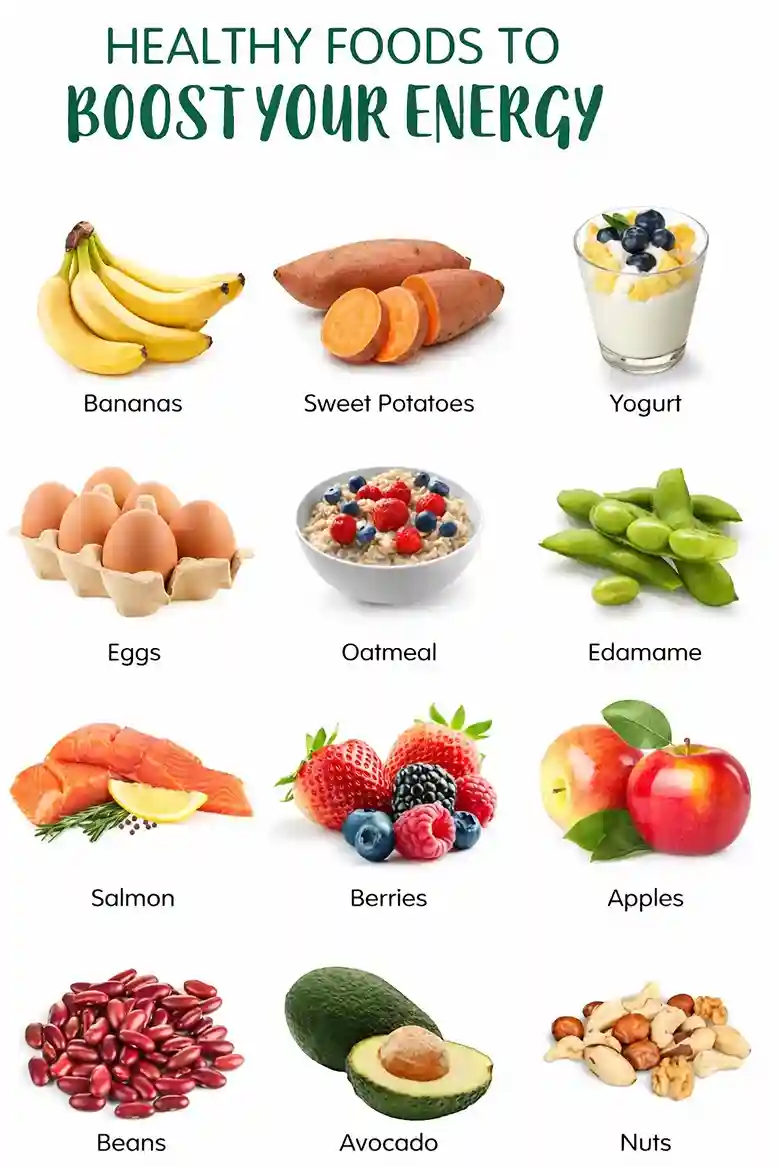
1. Water – The Essential Nutrient
Water is the most important element your body needs to function properly. It supports digestion, regulates body temperature, and helps transport nutrients throughout your body.
Staying hydrated can also improve concentration, prevent fatigue, and keep your skin looking fresh and healthy.
How much to drink:
Aim for 8 to 12 cups of water per day, depending on your activity level and climate.
2. Dark Green Vegetables – Packed with Nutrients
Dark green vegetables are among the most nutrient-dense foods you can eat. They are rich in vitamins A, C, K, as well as iron, calcium, and antioxidants.
Best options include:
- Broccoli
- Spinach
- Kale
- Brussels sprouts
- Green peppers
These vegetables help reduce inflammation, support heart health, and strengthen your immune system.
Tip: Try to eat dark green vegetables at least 3–4 times per week.
3. Whole Grains – A Great Source of Fiber
Whole grains provide complex carbohydrates that give your body long-lasting energy. They are also high in fiber, which is essential for digestion and maintaining a healthy gut.
Examples of whole grains:
- Oats
- Brown rice
- Barley
- Quinoa
- Whole wheat
When choosing grains, look for products that contain at least 3–5 grams of fiber per serving.
Recommended intake:
Consume whole grains 2–3 times daily.
4. Beans and Lentils – Affordable Superfoods
Beans and lentils are excellent plant-based sources of protein and fiber. They are also low in fat and rich in important nutrients like iron, potassium, and folate.
Ways to include them:
- Add to soups and stews
- Mix into salads
- Use as a meat substitute in meals
Eating legumes regularly can help control blood sugar levels and improve heart health.
Tip: Include a bean-based meal at least once a week.
5. Fish – Rich in Omega-3 Fatty Acids
Fish is one of the healthiest sources of protein, especially fatty fish that are rich in omega-3 fatty acids. These healthy fats are known to support brain function and reduce the risk of heart disease.
Top healthy fish choices:
- Salmon
- Tuna
- Sardines
- Trout
- Herring
Serving recommendation:
Eat 2–3 servings per week, with each serving about 3–4 ounces.
6. Berries – Small but Powerful
Berries are loaded with antioxidants, which help protect your body from damage caused by free radicals. They are also rich in vitamins and fiber.
Popular berries:
- Blueberries
- Strawberries
- Raspberries
- Blackberries
Regular consumption of berries can improve heart health and support brain function.
Daily goal:
Include 2–4 servings of fruit per day, especially berries.
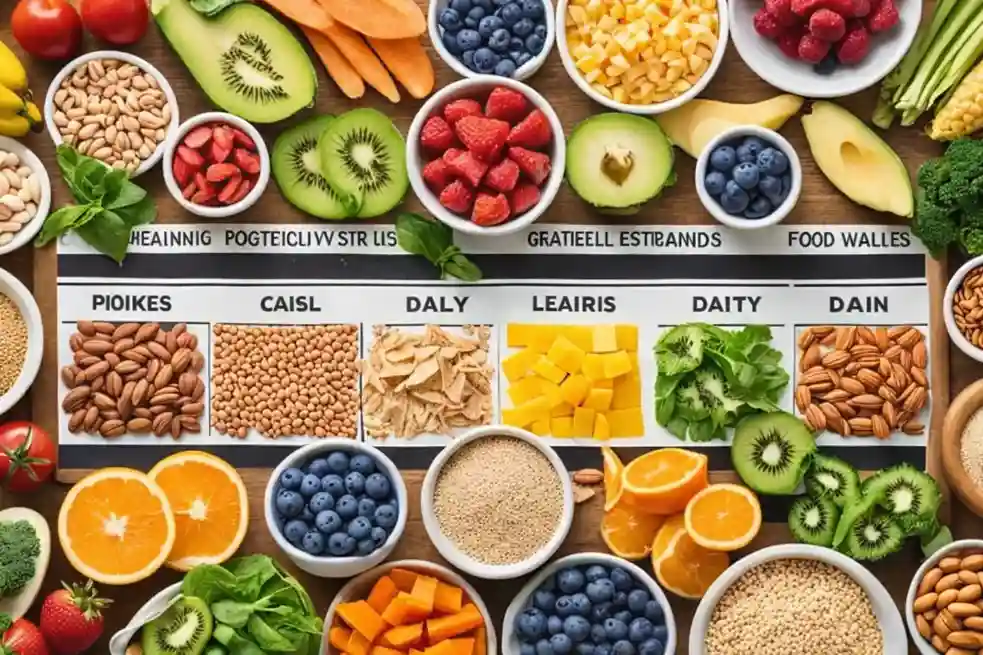
7. Winter Squash – Rich in Vitamins and Color
Winter squash and other brightly colored fruits and vegetables are excellent sources of vitamins A and C. These nutrients are essential for healthy skin, vision, and immune function.
Examples include:
- Butternut squash
- Pumpkin
- Sweet potatoes
- Mango
- Cantaloupe
Adding colorful foods to your plate ensures a wide range of nutrients in your diet.
8. Soy – A Plant-Based Protein Alternative
Soy products are a great alternative to animal protein and can help lower cholesterol levels when included in a balanced diet.
Common soy foods:
- Tofu
- Soy milk
- Edamame
- Tempeh
Soy is especially beneficial for those following vegetarian or low-fat diets.
Recommended intake:
About 25 grams of soy protein daily.
9. Flaxseeds, Nuts, and Seeds – Healthy Fats for Your Body
These foods are rich in healthy fats, fiber, and essential nutrients that support heart and brain health.
Examples:
- Flaxseeds
- Chia seeds
- Almonds
- Walnuts
How to use them:
- Add to smoothies or yogurt
- Sprinkle on salads
- Eat as a snack
Serving suggestion:
- 1–2 tablespoons of seeds daily
- 1/4 cup of nuts per day
10. Organic Yogurt – Calcium and Gut Health
Yogurt is an excellent source of calcium, which is essential for strong bones and teeth. It also contains probiotics that promote a healthy digestive system.
Daily calcium needs:
- Ages 19–50: 1,000 mg/day
- Ages 50+: 1,200 mg/day
Tip: Choose low-fat or non-fat organic yogurt and consume dairy products 3–4 times daily.
Conclusion: Build Healthy Habits One Step at a Time
Incorporating these top 10 healthy foods into your daily meals can significantly improve your quality of life. You don’t need to change everything overnight—start by adding a few of these foods to your diet each week.
A balanced diet, combined with regular exercise and proper hydration, is the foundation of long-term health. By making smarter food choices today, you are investing in a healthier and happier future.