
Vitamins You Shouldn’t Lack: What Supplements You Really Need (and What to Skip)
In today’s health-conscious world, vitamins and supplements have become more popular than ever. From boosting immunity to improving energy levels, many people rely on supplements as a quick solution for better health. But the truth is, not all supplements are necessary—and some may even do more harm than good if taken incorrectly.
So, how do you know which vitamins you truly need and which ones you can skip? This guide will help you understand the essentials of supplementation and how to make smarter choices for your health.
Do You Really Need Supplements?
For most healthy adults, a balanced diet provides all the nutrients your body needs. Whole foods like fruits, vegetables, lean proteins, and whole grains are naturally rich in essential vitamins and minerals.
However, there are certain situations where supplements may be beneficial or even necessary, including:
- Pregnancy and breastfeeding
- Nutrient deficiencies diagnosed by a doctor
- Restrictive diets (such as vegan or vegetarian)
- Infancy and early development
- Specific health conditions
Experts agree that supplements should support your diet—not replace it. Lifestyle changes such as improving your eating habits and staying active should always come first.
Vitamins and Supplements Worth Taking
While not everyone needs supplements, research shows that certain vitamins can be helpful in specific situations.
1. Prenatal Vitamins
Prenatal supplements are essential for women who are pregnant or planning to conceive. They typically contain folic acid and iron, which support fetal development.
- Folic acid helps prevent birth defects in the brain and spine
- Iron supports oxygen transport and healthy growth
Starting prenatal vitamins even before pregnancy can provide important benefits.
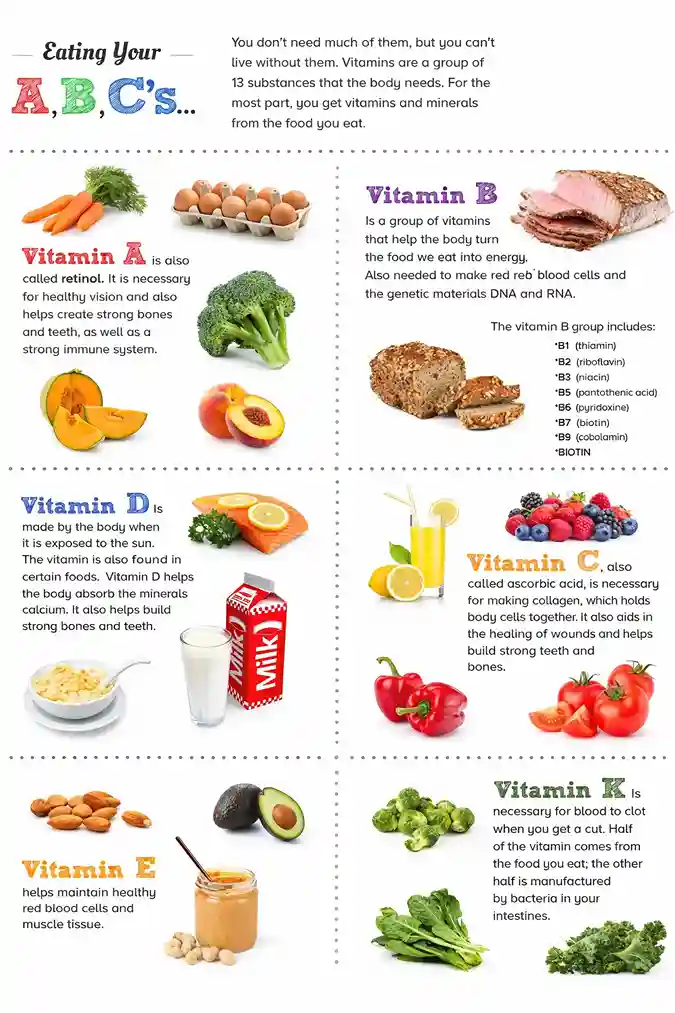
2. Vitamin D
Vitamin D is one of the most common deficiencies worldwide. Since it is difficult to get enough from food alone, supplementation is often recommended.
Vitamin D supports:
- Bone health
- Immune function
- Mood regulation
Sunlight is a natural source, but many people still don’t meet their daily needs—making supplements a practical option.
3. Omega-3 Fatty Acids
Omega-3s are healthy fats found in fish like salmon and in nuts such as walnuts. They are known for supporting heart health and reducing inflammation.
If your diet lacks these foods, an omega-3 supplement may help:
- Lower triglyceride levels
- Support brain function
- Improve joint health
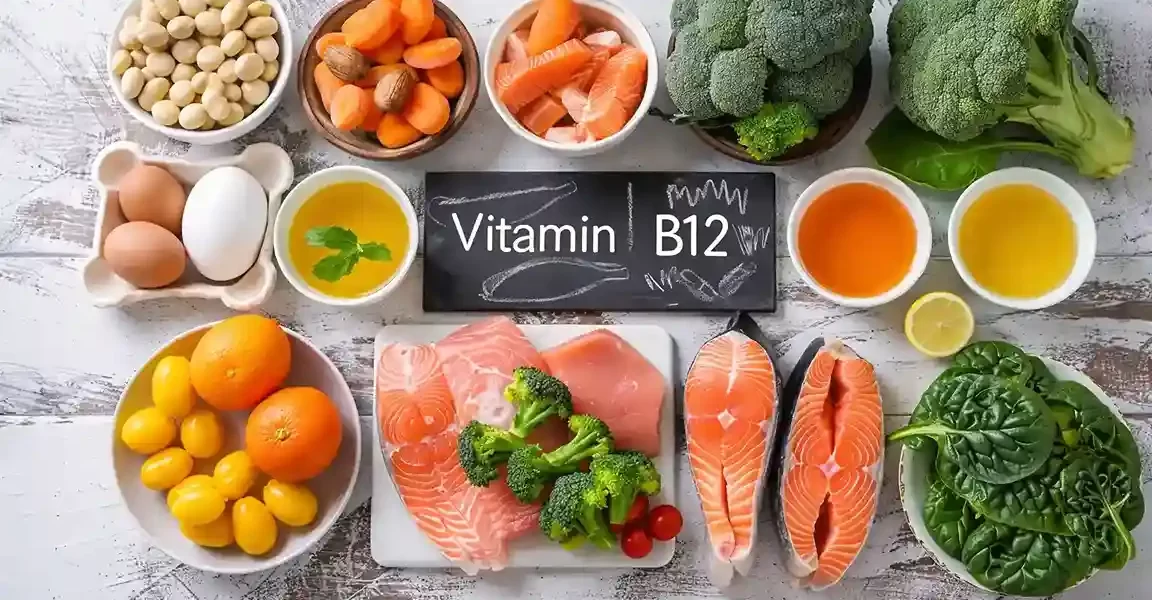
4. Vitamin B12
Vitamin B12 plays a crucial role in:
- Red blood cell formation
- Nerve function
- DNA production
It is mainly found in animal products, so people following a plant-based diet are at higher risk of deficiency and may need supplementation.
5. Iron
Iron is essential for carrying oxygen throughout the body. Low iron levels can lead to fatigue and anemia.
You may benefit from iron supplements if you:
- Have a diagnosed deficiency
- Are pregnant
- Follow a diet low in iron-rich foods
However, too much iron can be harmful, so always consult a healthcare professional before taking it.
6. Magnesium
Magnesium is involved in hundreds of bodily functions, yet many people don’t get enough of it.
Supplementing magnesium may help:
- Improve sleep quality
- Reduce stress
- Support heart health
- Regulate blood sugar levels
Supplements You Can Skip
Not all supplements live up to the hype. Some popular options lack strong scientific evidence.
1. Green Powders
These products often claim to replace vegetables, but they cannot match the nutritional value of whole foods. Eating real vegetables is always the better choice.
2. Probiotic Supplements
While probiotics are beneficial, most supplements lack consistent scientific support. You can often get better results from natural sources like yogurt or fermented foods.
3. Mega-Dose Vitamins
More is not always better. High doses of vitamins can cause side effects such as:
- Digestive issues
- Kidney problems
- Nutrient imbalances
Always stick to recommended dosages unless advised otherwise by a doctor.
How to Choose High-Quality Supplements
Since supplements are not strictly regulated, it’s important to choose wisely.
Here are some tips:
- Look for third-party testing certifications
- Avoid artificial additives and fillers
- Choose products with simple, transparent labels
- Consider chelated minerals, which may improve absorption
- Select supplements that match your personal health needs
If a product sounds too good to be true, it probably is.
How to Know If Supplements Are Working
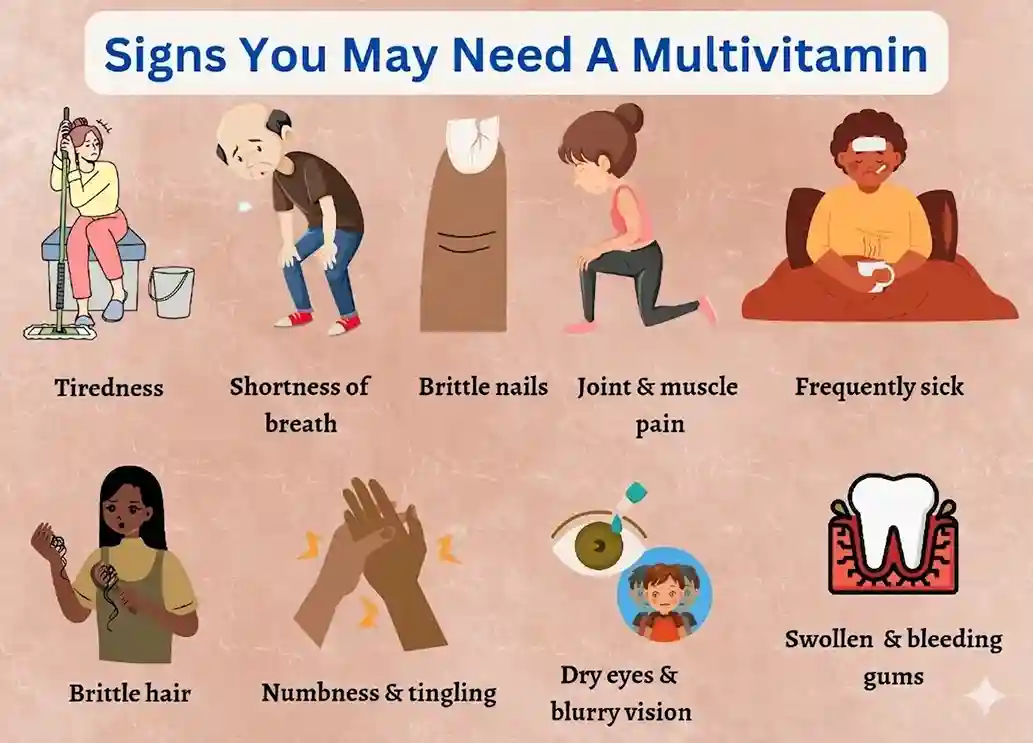
You may notice certain signs that your supplements are effective:
- Increased energy levels
- Improved sleep or mood
- Better overall well-being
However, some effects are subtle and take time. In some cases, blood tests may be needed to confirm improvements.
Be cautious of side effects like digestive discomfort, which may indicate that you’re taking too much.
Final Thoughts
When it comes to vitamins, the key is balance. Most people can meet their nutritional needs through a healthy diet, but supplements can play an important role in specific situations.
Focus on whole foods first, and use supplements only when necessary. Always consult a healthcare professional before adding new vitamins to your routine.
Remember: the goal is not to take more supplements—it’s to give your body exactly what it needs to thrive.