
Dietitians and a Cardiologist Share 15 Foods to Eat for Better Heart Health
Taking care of your heart is one of the most important steps toward living a longer, healthier life. While exercise, stress management, and good sleep all play a role, your diet has a powerful impact on your cardiovascular health.
Heart disease remains one of the leading causes of death worldwide, making it essential to focus on what you eat every day. According to dietitians and cardiologists, choosing the right foods—especially those rich in fiber and healthy fats—can help lower cholesterol, reduce inflammation, and improve overall heart function.
In this guide, we’ll explore 15 of the best foods for heart health and how to include them in your daily meals.
Why Diet Matters for Heart Health
A heart-healthy diet focuses on whole, nutrient-rich foods that support your cardiovascular system. Key nutrients include:
- Fiber: Helps lower LDL (bad) cholesterol and stabilize blood sugar
- Healthy fats: Reduce inflammation and improve cholesterol levels
- Antioxidants: Protect blood vessels from damage
Experts recommend getting these nutrients from whole foods rather than supplements, as they provide better absorption and additional health benefits.
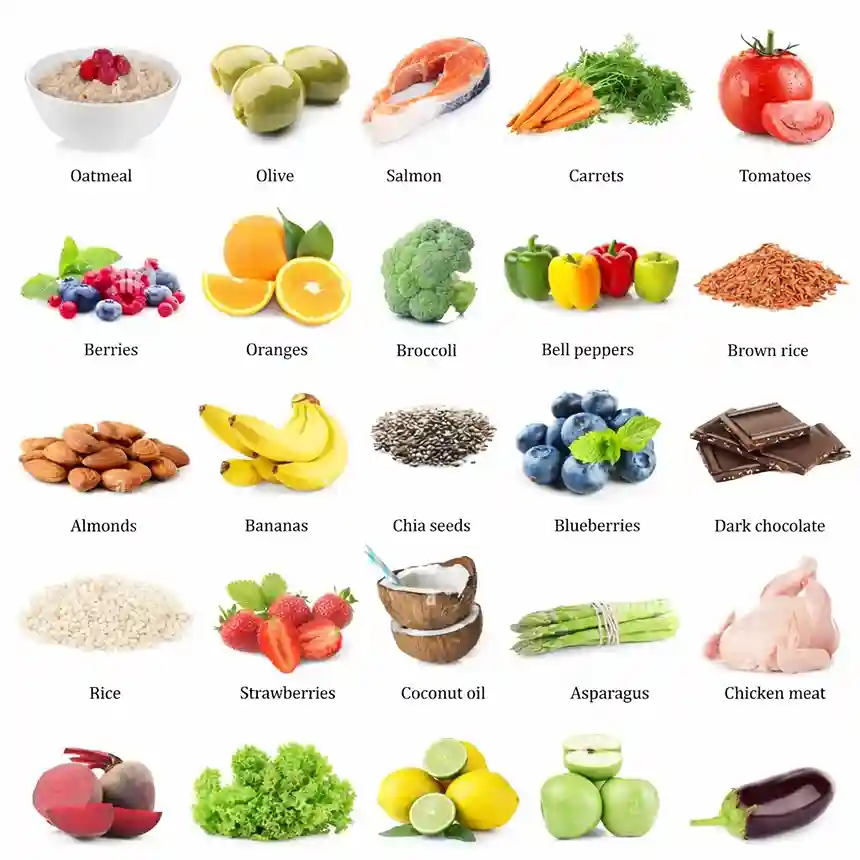
15 Best Foods for a Healthy Heart
1. Oats
Oats are rich in soluble fiber, which helps lower bad cholesterol and maintain stable blood sugar levels. Starting your day with oatmeal is a simple way to support heart health.
2. Brown Rice
Whole grains like brown rice can reduce inflammation and lower the risk of heart disease. They are also great for maintaining steady energy levels.
3. Avocados
Avocados are packed with heart-healthy monounsaturated fats. They help reduce bad cholesterol while increasing good cholesterol levels.
4. Almonds
Almonds contain fiber, healthy fats, and antioxidants. Eating a small portion daily may reduce the risk of heart disease.
5. Peanuts
Peanuts and natural peanut butter provide healthy fats and plant-based protein, making them a great alternative to processed spreads.
6. Salmon
Salmon is rich in omega-3 fatty acids, which help reduce inflammation, lower triglycerides, and support overall heart function.
7. Berries
Berries like blueberries, strawberries, and raspberries are loaded with antioxidants that protect blood vessels and reduce inflammation.
8. Sweet Potatoes
Sweet potatoes are high in potassium, which helps regulate blood pressure and supports heart health.
9. Apples
Apples provide fiber, antioxidants, and potassium, all of which contribute to reducing the risk of heart disease.
10. Flaxseeds
Flaxseeds are an excellent source of omega-3s and fiber. Adding them to smoothies or oatmeal can help lower cholesterol levels.
11. Lentils
Lentils are rich in plant-based protein and fiber. They help improve cholesterol levels and reduce the risk of cardiovascular disease.
12. Oranges
Oranges are packed with vitamin C, fiber, and antioxidants. They also help improve blood pressure and overall heart health.
13. Barley
Barley is another whole grain high in fiber and essential nutrients. It supports cholesterol control and digestive health.
14. Beans
Beans are a great source of fiber and plant protein. Regular consumption can help lower cholesterol and stabilize blood sugar.
15. Healthy Oils (Avocado Oil, Olive Oil)
Using healthy oils instead of saturated fats can significantly improve heart health. These oils are rich in unsaturated fats and antioxidants.
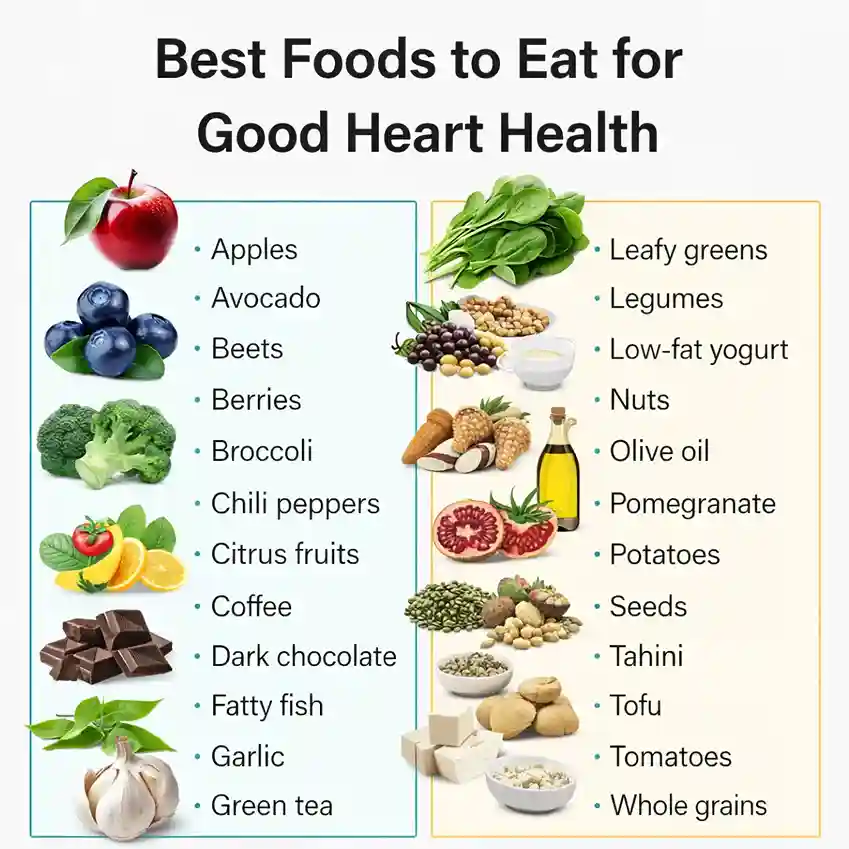
Foods to Avoid for Better Heart Health
While adding healthy foods is important, avoiding harmful ones is just as crucial.
Try to limit or avoid:
- Red meat
- Processed meats (like bacon and sausages)
- Fried foods
- Ultra-processed snacks
- Sugary beverages
These foods are often high in saturated fats, sodium, and added sugar, which can increase inflammation, raise blood pressure, and contribute to heart disease.
Simple Tips to Improve Your Heart Health
- Choose whole grains over refined carbs
- Add fruits and vegetables to every meal
- Replace butter with healthy oils
- Eat more plant-based proteins like beans and lentils
- Limit processed and sugary foods
Small daily changes can lead to significant long-term benefits.
Final Thoughts
Improving your heart health doesn’t require a complicated diet. By incorporating these 15 heart-healthy foods into your meals and reducing harmful choices, you can support your cardiovascular system naturally.
Remember, consistency is key. A balanced diet, combined with an active lifestyle, is the best way to protect your heart and enjoy a healthier future.