


Morning Water Drinking Habits and Their Unexpected Benefits
Drinking water in the morning is one of the simplest wellness habits you can adopt—yet it’s often overlooked. After several hours of sleep without fluids, your body naturally wakes up slightly dehydrated. A single glass of water can help restore balance, boost energy, and set a healthy tone for the rest of your day.
In this guide, we’ll explore the science-backed benefits of morning hydration, how much water you should drink, best practices, and common myths—so you can build a sustainable and effective routine.
What Is Morning Hydration and Why Does It Matter?
Morning hydration simply means drinking water shortly after waking up. While it’s not a magical “detox,” it plays an important role in replenishing fluids lost overnight.
During sleep, your body continues to lose water through breathing and perspiration. Starting your day with water helps:
- Rehydrate your body after hours without fluids
- Support healthy circulation and temperature regulation
- Promote digestion and metabolic function
- Establish a consistent hydration habit
It’s a small action with a big cumulative impact.
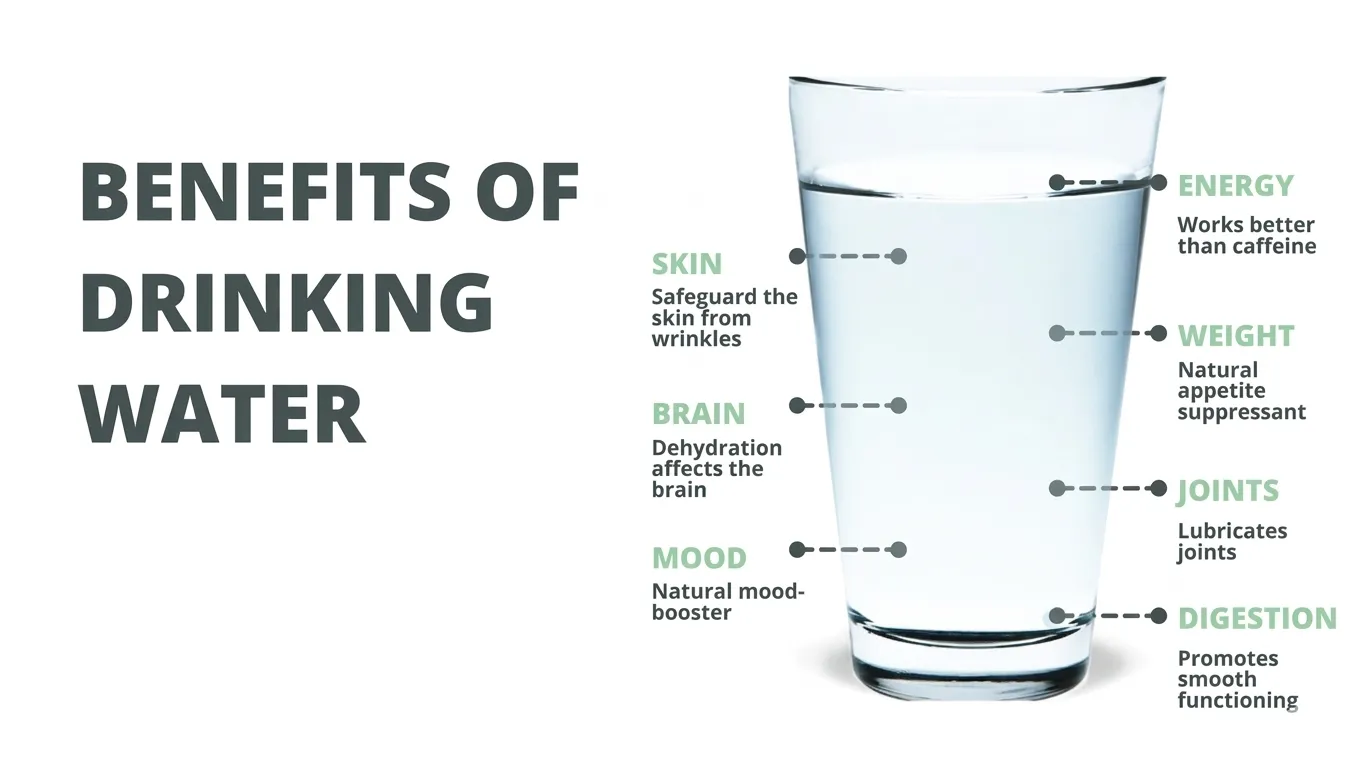
Science-Backed Benefits of Drinking Water in the Morning
1. Rehydrates Your Body
Even in a cool environment, your body loses fluids overnight. Drinking water first thing in the morning helps restore hydration levels, ensuring your body functions properly from the start.
2. Boosts Brain Function and Mood
Mild dehydration can affect concentration, energy, and mood. A morning glass of water can help improve alertness and mental clarity, making it easier to focus on daily tasks.
3. Supports Healthy Digestion
Water plays a key role in digestion by helping break down food and soften stool. Drinking water in the morning may gently stimulate your digestive system and promote regular bowel movements.
4. Enhances Physical Performance
If you exercise in the morning, starting hydrated helps maintain blood volume and regulate body temperature. This can improve endurance and reduce fatigue during workouts.
5. Supports Kidney Function
Your kidneys rely on adequate fluid intake to filter waste and maintain electrolyte balance. Consistent hydration throughout the day—including in the morning—supports this vital function.
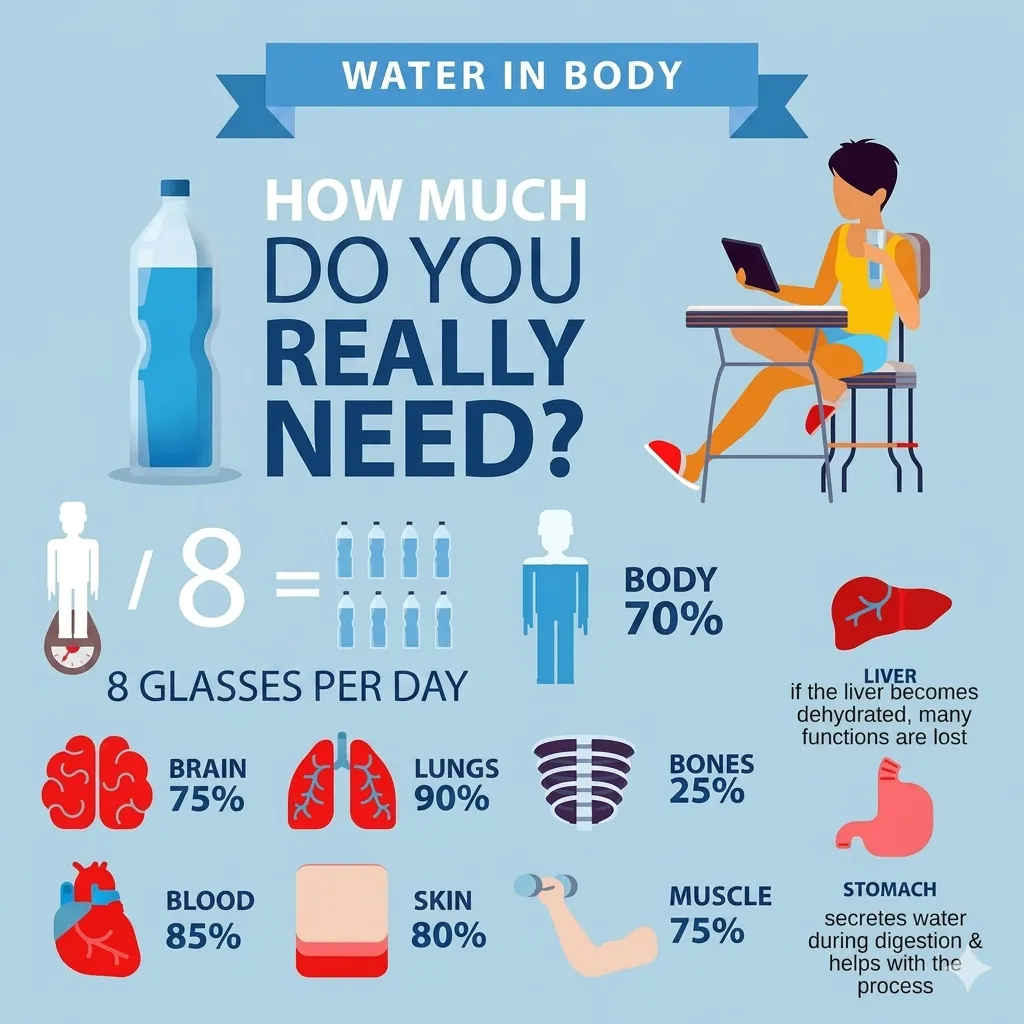
How Much Water Should You Drink in the Morning?
There’s no universal rule, but a good starting point is:
- 1 glass (about 240 ml or 8 oz) right after waking up
From there, continue drinking fluids throughout the morning based on your thirst and activity level.
General Daily Hydration Guidelines
- Men: ~3.7 liters (15.5 cups) per day
- Women: ~2.7 liters (11.5 cups) per day
These amounts include fluids from water, beverages, and food. Your needs may increase if you exercise, live in a hot climate, or are pregnant or ill.
Tip: Check your urine color—pale yellow usually indicates proper hydration.
Best Practices for Morning Hydration
Choose Safe, Clean Water
If your tap water is safe, it’s the easiest and healthiest choice. Otherwise, use filtered or properly treated water following local health guidelines.
Pick Your Preferred Temperature
- Warm water: soothing and gentle
- Cold water: refreshing and energizing
There’s no strong evidence that one is superior—choose what you enjoy.
Add Natural Flavor (If Needed)
If plain water feels boring, try:
- Lemon or lime slices
- Cucumber or berries
- A splash of 100% fruit juice
These add flavor without excessive sugar.
Note: Acidic drinks like lemon water may affect tooth enamel—rinse your mouth afterward.
Coffee and Tea Count Too
Moderate consumption of coffee or tea contributes to hydration. If caffeine affects you, consider decaf or herbal alternatives.
Keep It Convenient
- Place a glass of water by your bed
- Drink while preparing breakfast
- Pair it with your morning routine
Consistency is key.
Morning Hydration for Different Lifestyles
If You Exercise in the Morning
Drink a glass of water before your workout and sip as needed during exercise. Rehydrate afterward to replace fluid loss.
If You Work in Air-Conditioned Spaces
Dry environments can increase fluid loss. Start hydrated and keep a water bottle nearby throughout the day.
If You’re Managing Weight
Replacing sugary drinks with water reduces calorie intake. Drinking water before meals may also help you feel fuller.
If You’ve Had Kidney Stones
Higher fluid intake may be recommended to reduce recurrence risk. Morning hydration can be part of that strategy—follow your doctor’s advice.
When Should You Be Careful?
While hydration is important, there are exceptions:
- Certain medical conditions (kidney, heart, or liver disease) may require fluid restrictions
- Drinking excessive amounts too quickly can lead to overhydration (rare but possible)
- Some medications require specific instructions for fluid intake
If unsure, consult a healthcare professional for personalized guidance.
A Simple Morning Hydration Routine
Here’s an easy plan you can follow:
- Before bed: Place a glass of water nearby
- Upon waking: Drink 1 glass (adjust to your comfort)
- With breakfast: Add another glass or tea/coffee
- Before exercise: Take a few extra sips
- Track lightly: Aim for pale yellow urine by mid-morning
- Make it enjoyable: Use a bottle you like or add fruit slices
Common Myths About Drinking Water in the Morning
Myth 1: Morning water “detoxes” your body
Your liver and kidneys naturally detoxify your body 24/7. Water supports this process but isn’t a special detox cure.
Myth 2: Warm water melts fat
There’s no scientific evidence for this. Sustainable weight loss depends on diet, exercise, and lifestyle habits.
Myth 3: Coffee dehydrates you
Moderate coffee intake contributes to daily fluid intake for most people.
Final Thoughts
Drinking water in the morning isn’t a miracle cure—but it’s a powerful, science-supported habit. It helps you rehydrate, improve focus, support digestion, and build a healthy daily routine.
The best part? It’s simple, free, and easy to maintain.
Start with one glass tomorrow morning—and let that small habit create lasting benefits for your health.