A consistent night routine is one of the most powerful ways to improve sleep quality and reduce daily stress. While many people focus on productivity during the day, the hours before bedtime are just as important. By practicing good sleep hygiene, you can fall asleep faster, stay asleep longer, and wake up feeling refreshed and energized.
Why Sleep Matters More Than You Think
Sleep is not just a passive activity—it is essential for your physical and mental well-being. During sleep, your body repairs tissues, strengthens the immune system, and restores energy. At the same time, your brain processes emotions, consolidates memories, and prepares for the next day.
A good night’s sleep is defined by both quantity and quality. Most adults need between 7–9 hours per night, but just as important is the ability to fall asleep easily and remain asleep without frequent interruptions.
Unfortunately, many people struggle with poor sleep. Difficulty falling asleep, waking up during the night, or feeling tired in the morning are all signs that your current routine may need improvement.
sleep-matters-more-than-you-think
What Is Sleep Hygiene?
Sleep hygiene refers to a set of habits and environmental factors that promote consistent, uninterrupted, and restful sleep. It includes everything from your bedtime routine to your daytime behaviors.
Good sleep hygiene helps:
Improve sleep quality and duration
Reduce stress and anxiety
Enhance focus and productivity
Support overall health and well-being
Create the Ideal Sleep Environment
Your bedroom should feel like a sanctuary dedicated to rest. Small adjustments can make a big difference in how quickly you fall asleep.
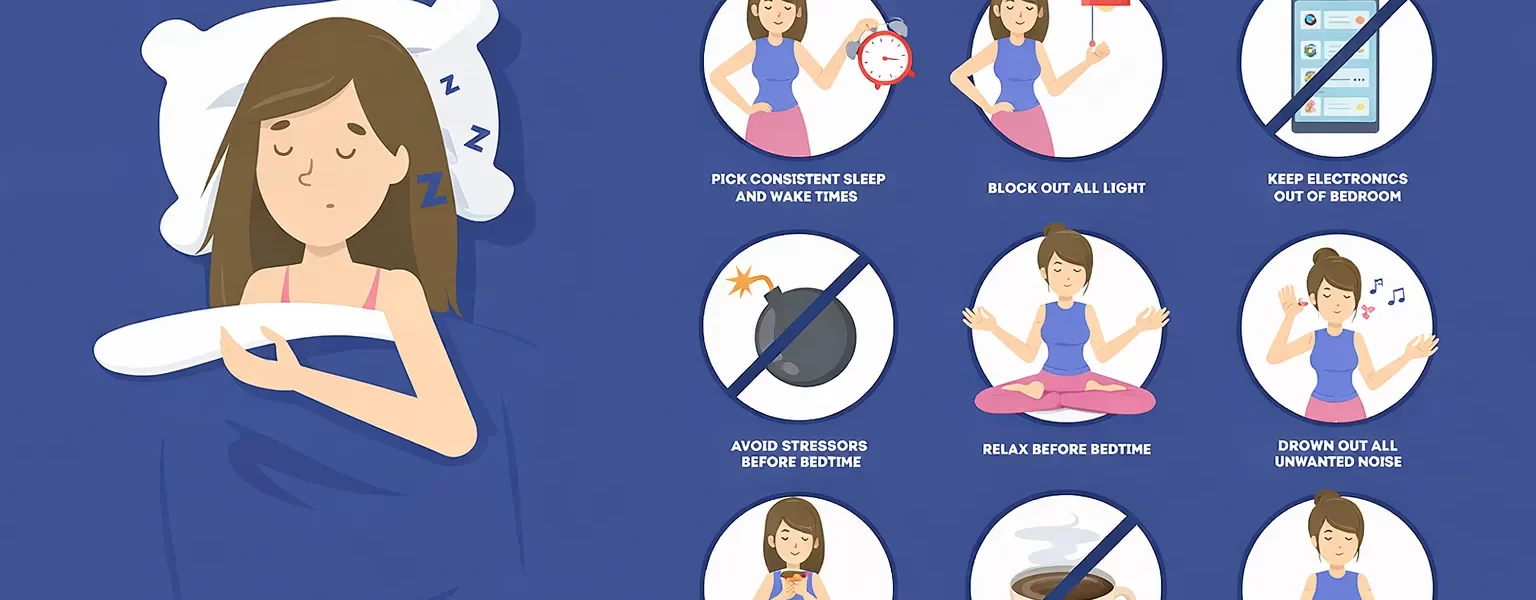
Keep your room dark and quiet Use blackout curtains or blinds to block outside light. If noise is an issue, consider white noise or calming sounds like rain.
Maintain a cool temperature Most people sleep best in a slightly cool room, around 18–20°C (65–68°F).
Upgrade your bedding An uncomfortable mattress or pillow can disrupt your sleep. Choose supportive and comfortable options that suit your preferences.
Limit bedroom distractions Use your bedroom only for sleep and relaxation. Keep work materials and electronic devices out of reach to avoid mental stimulation.
Be Mindful of What You Consume
What you eat and drink throughout the day can significantly impact your sleep at night.
Avoid heavy meals before bedtime: Finish eating at least 2–3 hours before going to sleep.
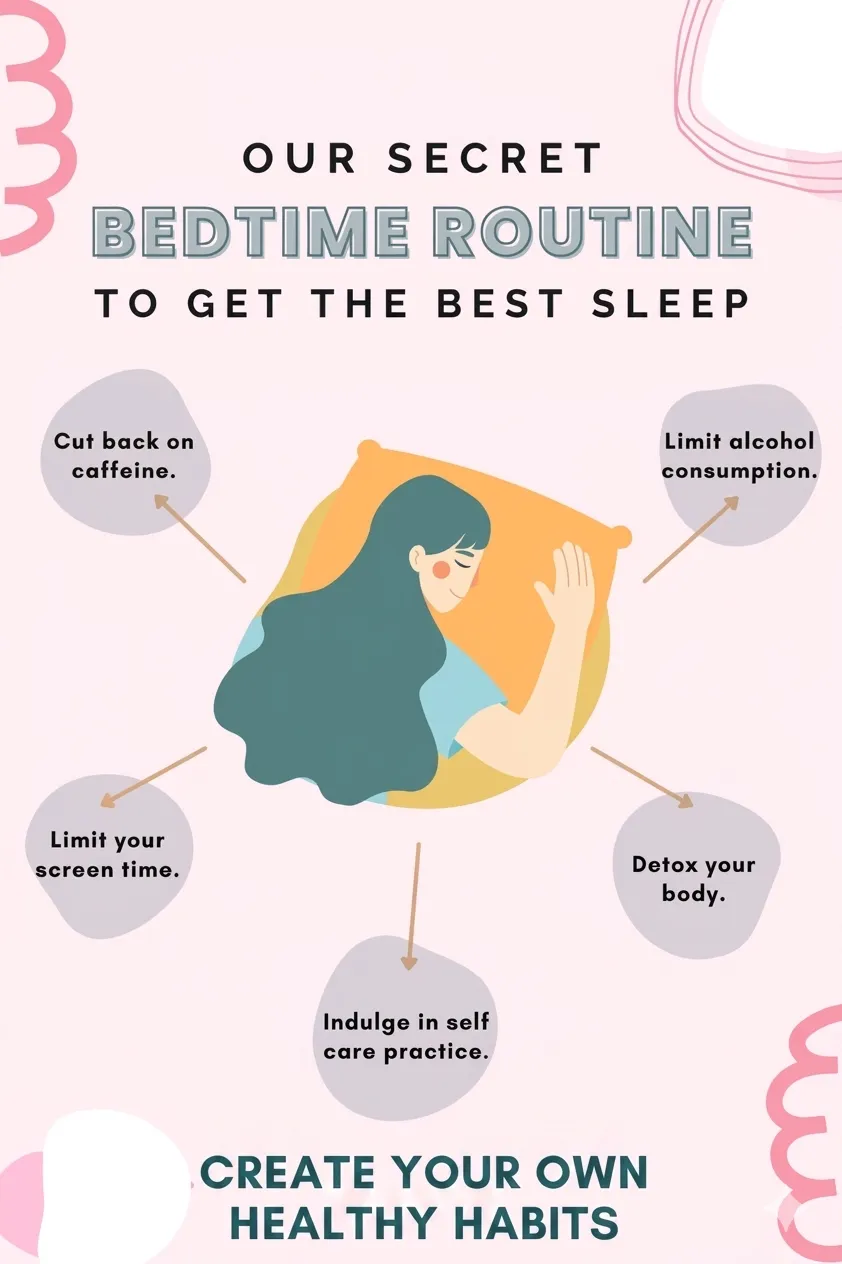
Limit caffeine intake: Avoid coffee, tea, or energy drinks in the afternoon and evening.
Reduce alcohol consumption: While alcohol may make you feel sleepy initially, it can disrupt your sleep cycle later in the night.
Avoid nicotine: As a stimulant, it can interfere with your ability to fall asleep.
Build a Relaxing Night Routine
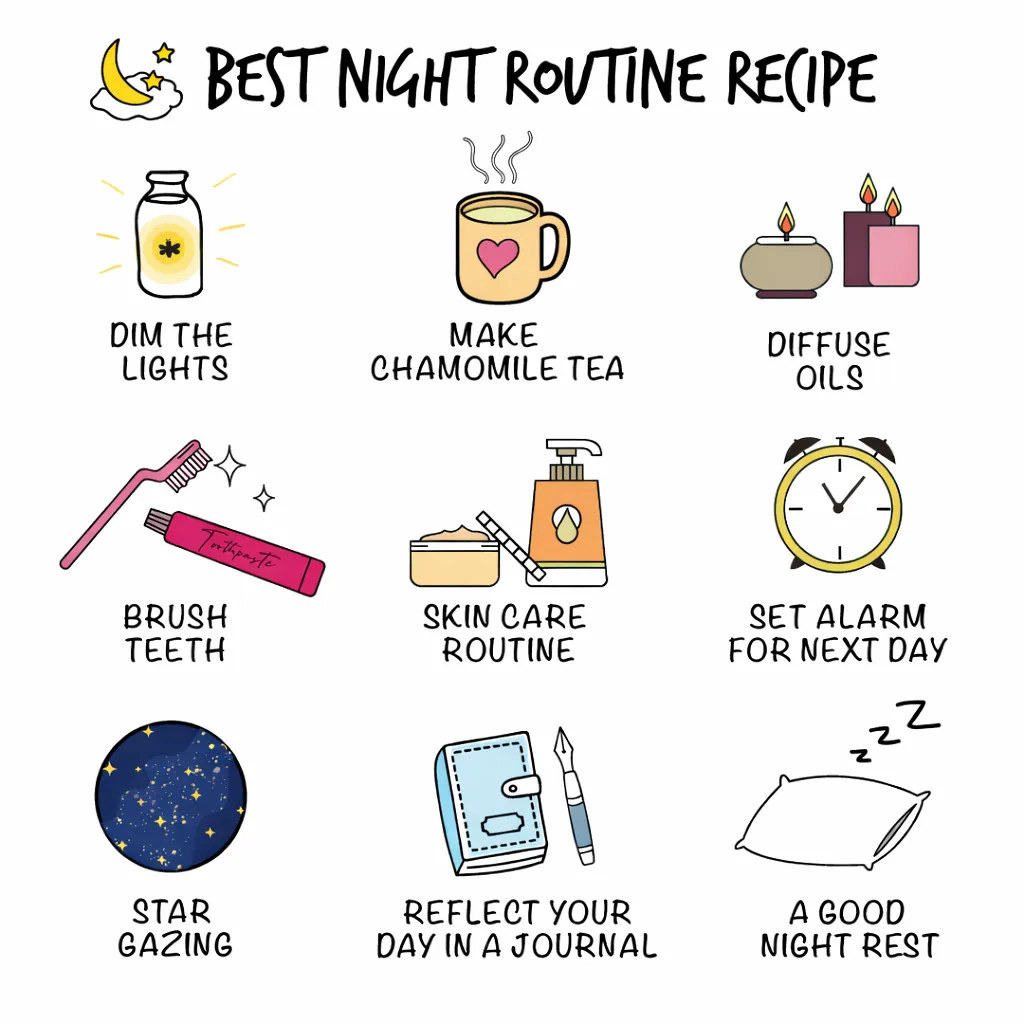
Creating a consistent wind-down routine signals to your body that it’s time to rest. Aim to spend at least 30–60 minutes relaxing before bed.
Here are some effective habits to include:
Disconnect from screens: Turn off phones, laptops, and TVs to reduce blue light exposure.
Read a book: Choose something light and enjoyable under soft lighting.
Take a warm bath or shower: This helps relax muscles and prepare your body for sleep.
Practice relaxation techniques: Deep breathing, gentle stretching, or meditation can calm your mind and reduce stress.
Consistency is key—try to go to bed and wake up at the same time every day, even on weekends when possible.
Adjust Your Daytime Habits
Your daily routine plays a major role in how well you sleep at night.
Exercise regularly Physical activity can improve sleep quality, but try to avoid intense workouts close to bedtime if they make you feel energized.
Limit naps Short naps (20–30 minutes) can be helpful, but long or late-afternoon naps may make it harder to fall asleep at night.
Track your sleep patterns Keeping a sleep diary can help you identify habits that disrupt your rest. Record your bedtime, wake time, caffeine intake, and daily activities to spot patterns.
adjust-your-daytime-habits
Simple Changes, Powerful Results
Improving your sleep doesn’t require drastic changes. By making small, consistent adjustments to your night routine and daily habits, you can significantly enhance your sleep quality and reduce stress.
Start with just one or two changes—like setting a consistent bedtime or reducing screen time before bed—and build from there. Over time, these habits will become second nature, helping you enjoy deeper sleep and better overall health.
Final Thoughts
A better night routine leads to better days. When you prioritize sleep, you’re investing in your energy, mood, productivity, and long-term well-being. Begin tonight—your future self will thank you.