

10 Ways to Boost Your Immune System
Introduction
Your immune system is your body’s natural defense against infections, viruses, and harmful bacteria. Keeping it strong is essential for staying healthy, preventing illness, and recovering faster when you do get sick.
The good news is that you don’t need complicated treatments to support your immunity. Simple daily habits—like eating well, staying hydrated, and getting enough sleep—can make a powerful difference.
In this guide, you’ll discover 10 easy and science-backed ways to boost your immune system naturally, along with tips for maintaining long-term health.
What Happens When Your Immune System Is Weak?
A weakened immune system can make your body less effective at fighting infections. Common signs include:
- Frequent colds or infections
- Slow wound healing
- Constant fatigue
- Increased severity of illnesses
Strengthening your immune system helps your body respond more effectively to these challenges.
10 Easy Ways to Boost Your Immune System
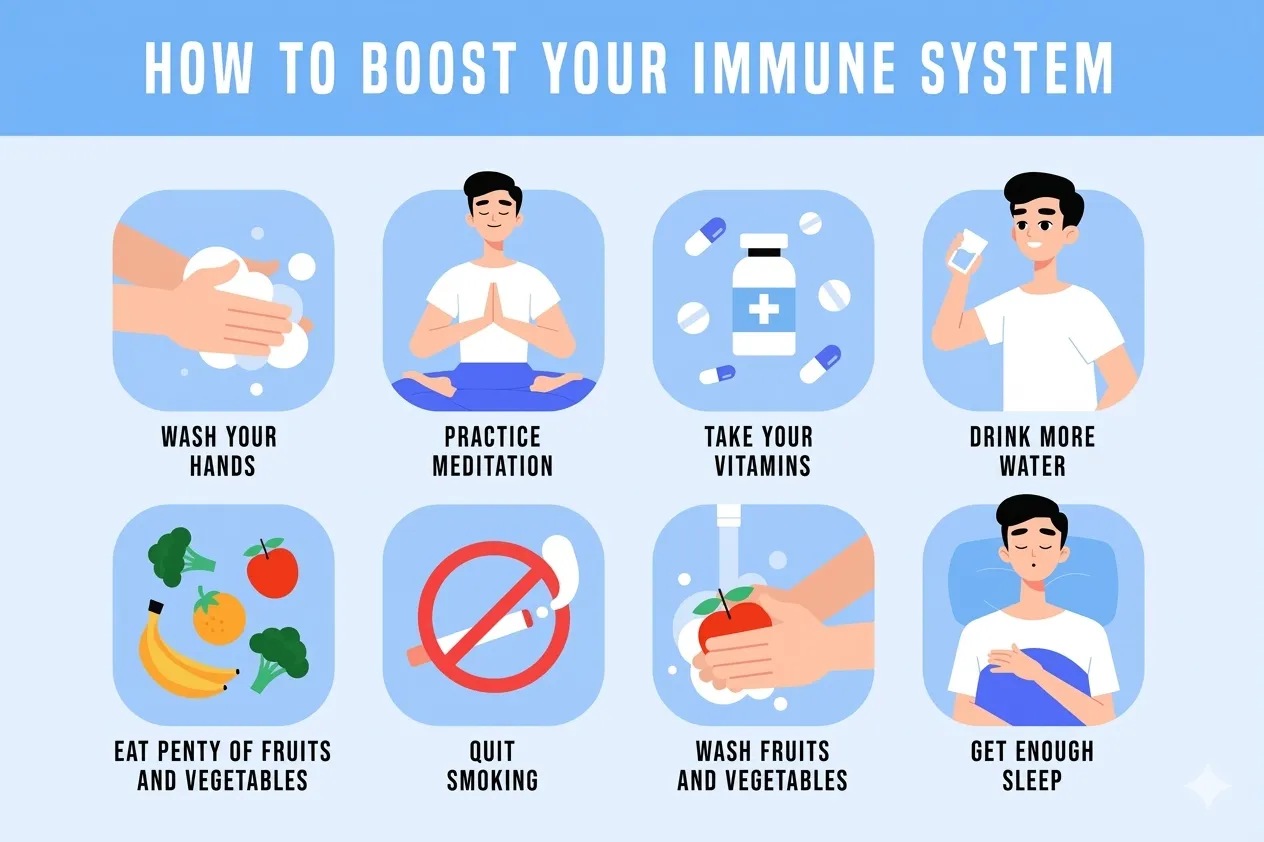
1. Eat a Healthy, Balanced Diet
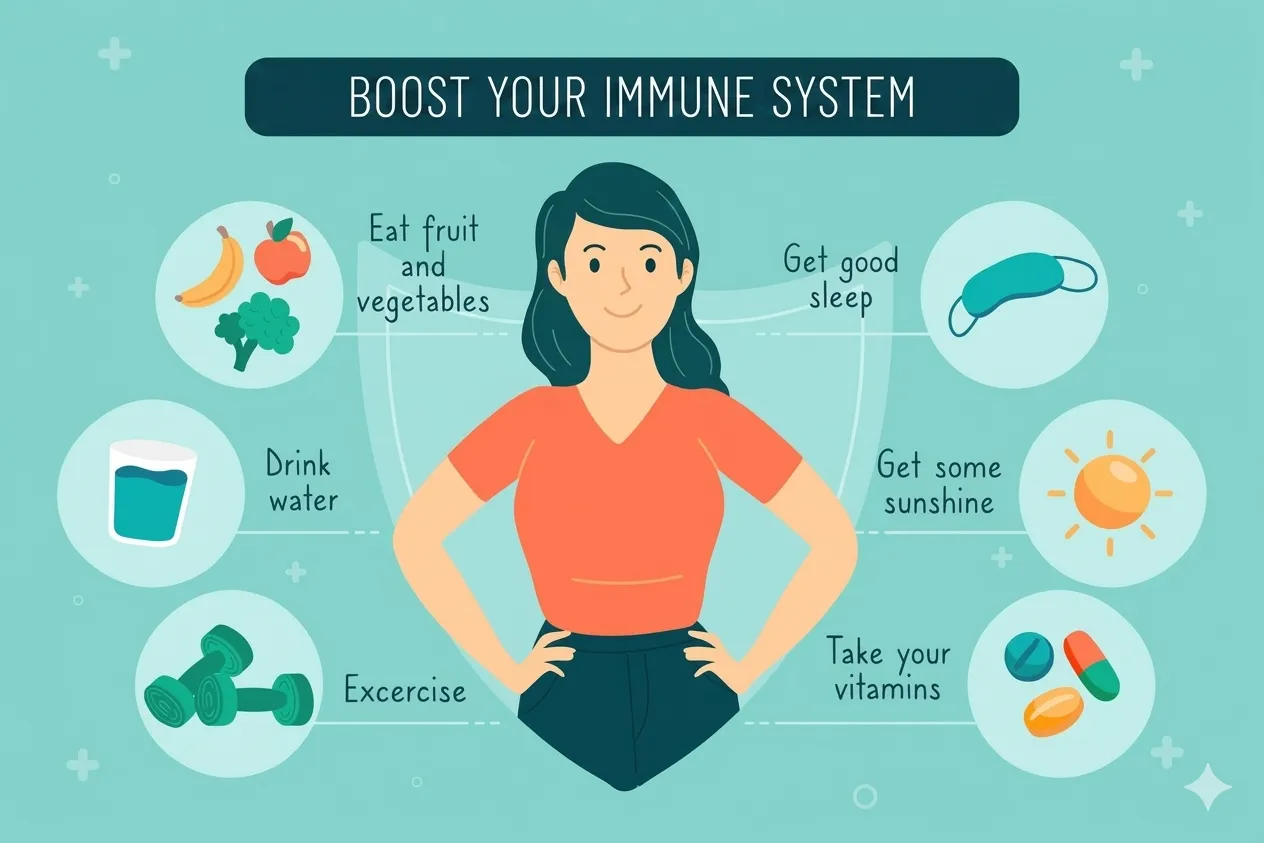
Nutrition plays a key role in immune health. A diet rich in whole foods provides essential vitamins, minerals, and antioxidants that protect immune cells.
Focus on:
- Fruits and vegetables
- Whole grains
- Legumes and nuts
- Lean proteins
These foods help reduce inflammation and support overall immune function.
2. Drink Plenty of Water
Staying hydrated is crucial for maintaining a strong immune system. Water helps:
- Transport nutrients
- Remove toxins
- Support gut health
Aim for around 2 liters of water per day, depending on your activity level and climate.
3. Limit Ultra-Processed Foods
Highly processed foods often contain:
- Excess sugar
- Unhealthy fats
- High sodium levels
These can increase inflammation and disrupt gut health, weakening your immune defenses. Reducing processed food intake can significantly improve your overall health.
4. Exercise Regularly
Physical activity boosts immune function and reduces inflammation. It also improves sleep and helps maintain a healthy weight.
Try to get at least 150 minutes of moderate exercise per week, such as:
- Walking
- Cycling
- Strength training
- Home workouts
Even small amounts of daily movement can have long-term benefits.
5. Get Enough Quality Sleep
Sleep is essential for immune system recovery and function. During sleep, your body:
- Repairs tissues
- Produces infection-fighting proteins
- Strengthens immune responses
Aim for 7–9 hours of sleep per night to support optimal health.
6. Avoid Smoking
Smoking weakens the immune system and increases the risk of infections and chronic diseases.
By quitting smoking or avoiding secondhand smoke, you:
- Improve lung health
- Strengthen immune response
- Reduce inflammation
7. Stay Up to Date with Vaccines
Vaccinations are one of the most effective ways to protect your immune system. They help your body:
- Recognize harmful pathogens
- Produce protective antibodies
- Reduce illness severity
Following recommended vaccination schedules is essential for long-term protection.
8. Maintain a Healthy Weight
Both underweight and obesity can negatively impact immune function.
- Being underweight may lead to nutrient deficiencies
- Excess weight can cause chronic inflammation
Maintaining a balanced weight supports immune stability and overall health.
9. Manage Stress Effectively
Chronic stress can weaken your immune system and make you more vulnerable to illness.
Healthy stress management techniques include:
- Meditation
- Deep breathing
- Yoga
- Spending time in nature
Reducing stress helps your body function more efficiently.
10. Limit Alcohol Consumption
Excessive alcohol intake can impair immune function and increase infection risk.
To protect your health:
- Drink in moderation
- Avoid frequent heavy drinking
Reducing alcohol intake supports both your immune system and overall well-being.
How to Boost Your Baby’s Immune System
For infants, one of the most effective ways to support immunity is breastfeeding, especially during the first six months.
Breast milk provides:
- Antibodies
- Essential nutrients
- Immune-supporting compounds
Additionally, keeping vaccinations up to date and maintaining a healthy environment are key factors.
Do Supplements Help Boost Immunity?
Vitamins and supplements can support immune health, especially in people with deficiencies. However, they should be used with guidance from a healthcare professional.
Some commonly used natural options include:
- Vitamin and mineral supplements
- Herbal teas (like ginger or echinacea)
- Propolis extract
Remember, supplements should complement—not replace—a healthy lifestyle.
Conclusion
Boosting your immune system doesn’t require drastic changes. By adopting simple daily habits—like eating nutritious foods, staying active, sleeping well, and managing stress—you can significantly improve your body’s natural defenses.
Consistency is the key. Small, healthy choices made every day can lead to stronger immunity and better overall health in the long run.