
Pollution and Health: Why It Matters and What We Can Do
Introduction
Pollution is one of the most pressing global challenges of our time, directly affecting both environmental sustainability and human health. From the air we breathe to the food we eat and the water we drink, contamination is increasingly impacting our daily lives.
Organizations like United Nations Environment Programme are actively working to address the critical link between pollution and health. Their mission focuses on raising awareness, promoting sustainable solutions, and encouraging global cooperation to create a cleaner, healthier planet.
In this article, we’ll explore how pollution affects health, the major sources of contamination, and the actions needed to reduce its impact.
Why Pollution and Health Matter
Environmental pollution is not just an ecological issue—it is a major public health concern. Contaminated air, water, and soil expose humans to harmful substances that can lead to serious diseases.
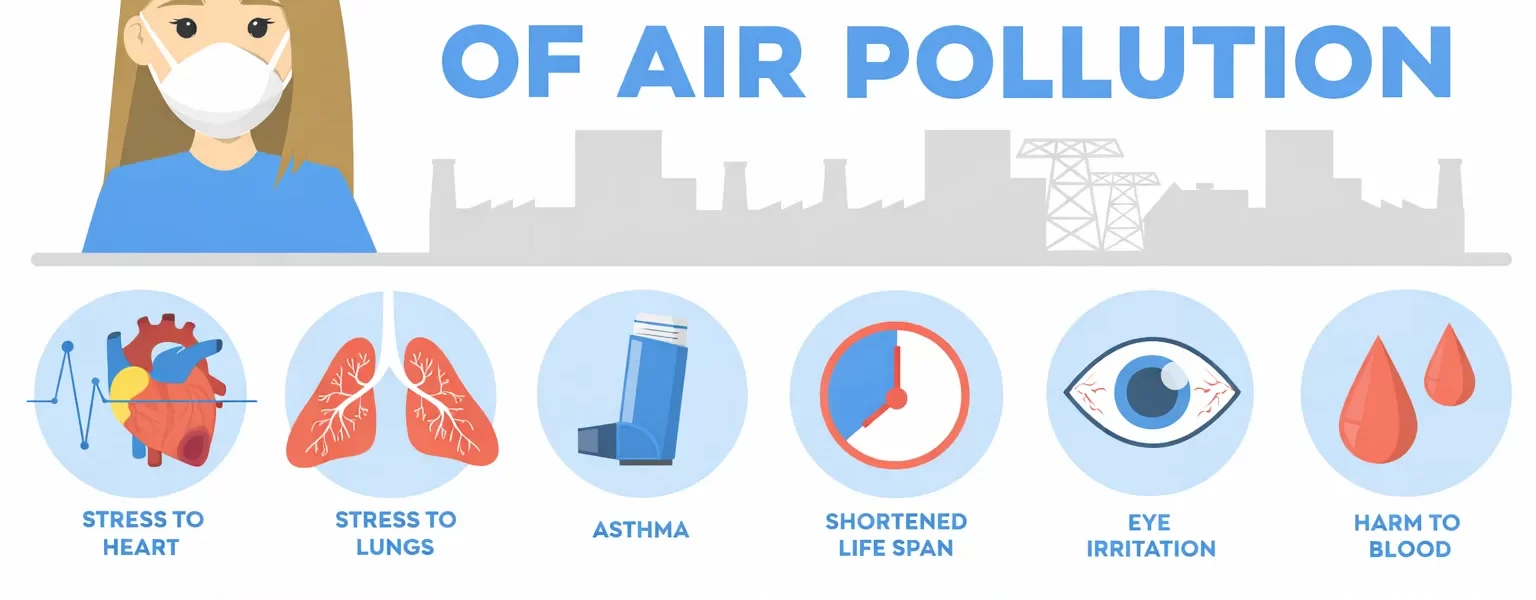
According to global research, pollution contributes to approximately 9 million deaths each year, making it one of the leading risk factors for disease worldwide. Among these, air pollution alone accounts for nearly 7 million deaths annually.
Pollution is strongly linked to:
- Respiratory diseases
- Cardiovascular conditions
- Cancer
- Neurological disorders
These health impacts highlight the urgent need to address environmental contamination at both local and global levels.
Major Types of Pollution Affecting Health
1. Air Pollution
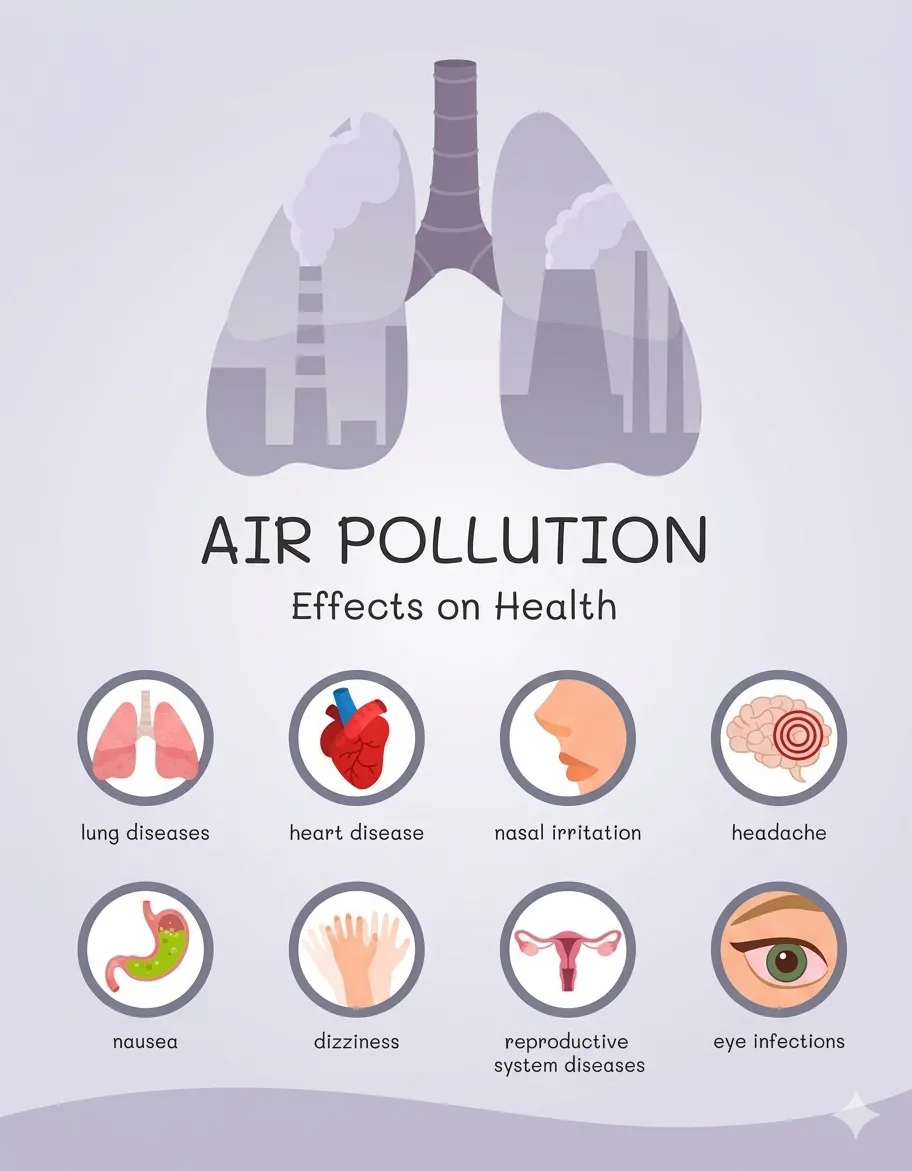
Air pollution is one of the most dangerous forms of environmental contamination. It includes harmful particles and gases released from:
- Vehicles
- Industrial activities
- Burning fossil fuels
Long-term exposure can lead to chronic respiratory diseases, reduced lung function, and increased risk of heart disease.
2. Water Pollution
Freshwater and ocean pollution introduce harmful chemicals and biological contaminants into drinking water and marine ecosystems.
This can result in:
- Waterborne diseases
- Toxic exposure through seafood
- Disruption of ecosystems
3. Soil and Food Chain Contamination
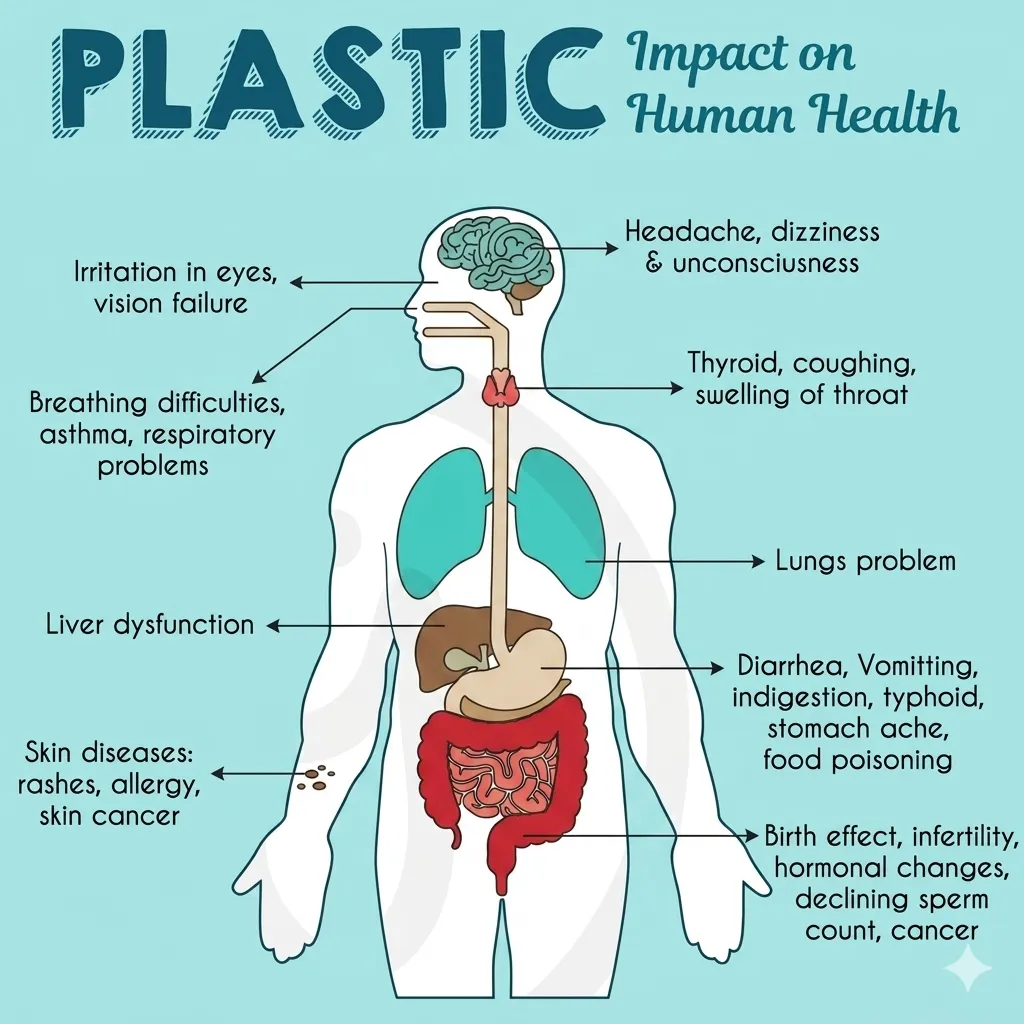
Pollutants in soil can enter the food chain through crops and livestock. Over time, toxic substances accumulate in the body, affecting both humans and animals.
This process increases the risk of:
- Long-term health complications
- Hormonal imbalances
- Developmental issues
Harmful Substances Linked to Pollution
Several hazardous pollutants pose serious risks to human health:
- Heavy metals (such as lead and mercury)
- Highly hazardous pesticides
- Persistent organic pollutants (POPs)
- Endocrine disruptors
- Pharmaceutical pollutants
- Asbestos
These substances can interfere with biological systems, damage organs, and increase the likelihood of chronic diseases.
Pollution and Antimicrobial Resistance
Pollution also plays a role in the growing threat of antimicrobial resistance (AMR). Chemical and biological pollutants in the environment can contribute to the development of resistant bacteria.
This makes infections harder to treat and increases the risk of disease spread, posing a serious global health challenge.
The Role of Global Action and Policy
Addressing pollution requires a coordinated effort across multiple sectors. Key strategies include:
- Strengthening the connection between science and policy
- Promoting international collaboration
- Implementing strict environmental regulations
- Encouraging sustainable practices
The One Health approach, which integrates human, animal, and environmental health, is essential in tackling pollution effectively.
Global Initiatives to Beat Pollution
The United Nations Environment Programme works with governments, organizations, and communities worldwide to promote a pollution-free planet.
Key initiatives include:
- Raising public awareness about pollution risks
- Supporting environmental policies and regulations
- Encouraging sustainable consumption and production
- Promoting global campaigns to reduce pollution
These efforts emphasize that everyone—from individuals to governments—has a role to play.
What You Can Do to Reduce Pollution
While large-scale action is essential, individuals can also make a difference by:
- Reducing plastic use
- Conserving water and energy
- Choosing sustainable products
- Supporting eco-friendly policies
- Minimizing waste and recycling
Small daily actions can collectively lead to significant environmental improvements.
Conclusion
Pollution is a global crisis with serious consequences for both environmental and human health. From air and water contamination to toxic chemicals in the food chain, its effects are widespread and long-lasting.
However, through stronger policies, global cooperation, and individual action, it is possible to reduce pollution and protect public health.
Creating a cleaner environment is not just about saving the planet—it’s about ensuring a healthier future for all.